
Vandaag of morgen in huis

Kwaliteit gegarandeerd

Welkomstaanbiedingen ontgrendelen: GRATIS bezorging | Tot 80% korting | Gratis 30 dagen JoyPlus-proefperiode
Download de app
Want to buy kimchi, but finding it hard to tell the difference between all the Korean brands, pack sizes and flavour claims? Dutch online shops stock everything from napa cabbage kimchi and sliced kimchi to tinned varieties and ready-to-eat portions. The right choice depends mainly on how you plan to use it: are you after a small side dish, something to add flavour to rice and noodles, or a larger pack for several meals?
When comparing products, don’t just look for words such as “authentic” or “traditional”. Check the ingredients, allergens, net weight and storage instructions too. That way, you can avoid choosing a product that doesn’t suit your dietary preferences or is awkward to use once opened.
Kimchi is sold in portions of around 80 to 410 grams. A compact pack is handy for one meal, but less suitable if you eat kimchi regularly. So check the net weight and, if useful, compare the price per 100 grams.
The flavour is influenced by ingredients such as red chilli, garlic, ginger, sugar, radish and, in some cases, fish sauce or soy sauce. Some varieties are fresh and crunchy, while others are saltier, sweeter, more sour or softer. Products with similar names can therefore taste quite different.
Kimchi can contain fish sauce, anchovies or prawns. Other varieties use soya or state that they contain none of the 14 major EU allergens. Always check the current packaging. Product information on a website may change and is no substitute for the label.
Salted Chinese cabbage is usually the main ingredient in napa cabbage kimchi. For example, DELIEF Sliced Napa Cabbage Kimchi lists 75,1% salted napa cabbage, alongside water, red chilli, garlic, onion, spring onion and ginger. The product also contains E621, according to the supplied ingredients list.
Bibigo Kimchi Ambient 150g lists 63% salted napa cabbage, radish, red chilli and garlic. The product is stated to contain none of the 14 major EU allergens. This is useful information for people with allergies, but always check the packaging when it arrives.
If you want to avoid animal-derived ingredients, take extra care. Sempio Canned Kimchi Original lists soya in its ingredients. Jongga Mat Kimchi contains fermented anchovy and prawn sauce, among other ingredients. So a product description that says “Korean kimchi” or “authentic kimchi” doesn’t automatically mean it’s suitable for vegans.
Sliced kimchi is ready to serve and easy to divide between rice, noodles, ramen or a bowl of soup. Whole cabbage leaves can have a different bite, but may need extra chopping.
Also look out for the difference between regular and stir-fried kimchi. DELIEF Stir-Fried Kimchi contains cabbage, red chilli, spring onion oil, ginger, garlic and soya bean oil, among other ingredients. According to the product information, you can serve this variety straight away or heat it in a pan first.
Some products are sold as ambient and can be kept unopened in a cool, dry place. Other kimchi needs to be refrigerated. Once opened, product labels generally recommend sealing the pack well and following the instructions on the label.
Look out for signs of damaged packaging. Whether a product comes in a jar, tin or pouch can affect how easy it is to use, carry and store. You’ll find the use-by or “best before” information on the packaging.
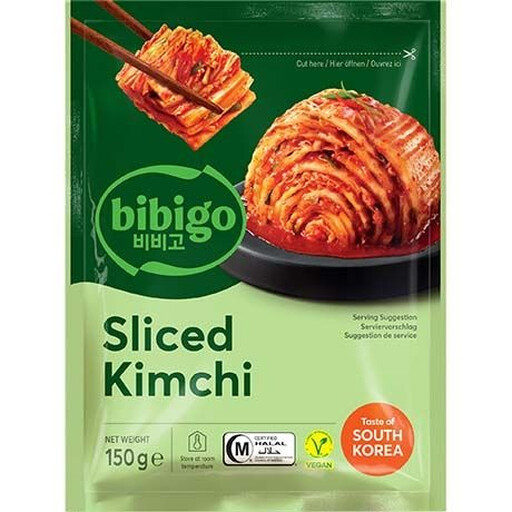
Why it suits this profile: The 150 g pack is a manageable size if you want to try Korean kimchi for the first time or fancy a ready-to-eat side dish now and then.
The net weight is clearly stated, and the ingredients list includes salted napa cabbage, radish and red chilli. According to the product information, it contains none of the 14 major EU allergens.
150 g; sliced; according to the product information, suitable as a side dish and can be stored in a cool, dry place.
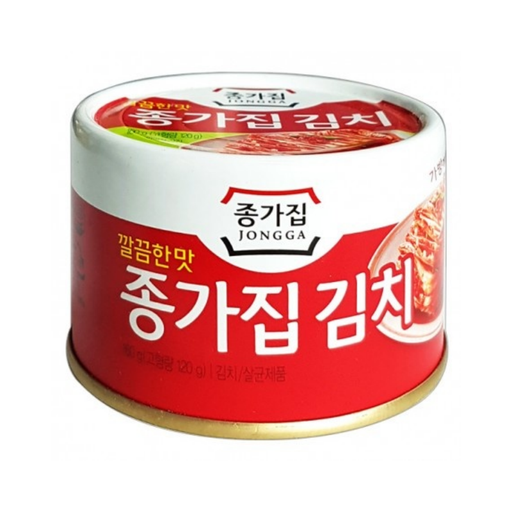
Why it suits this profile: This variety is for anyone who cares about texture and seasoning, and wants a product they can eat without any extra chopping.
The product information lists cabbage, radish, red chilli, garlic and ginger. If you avoid animal-derived ingredients, check for fermented anchovy and prawn sauce.
160 g; ready to eat; the product description mentions a crunchy texture and packaging that means you don’t need to chop the cabbage up first.
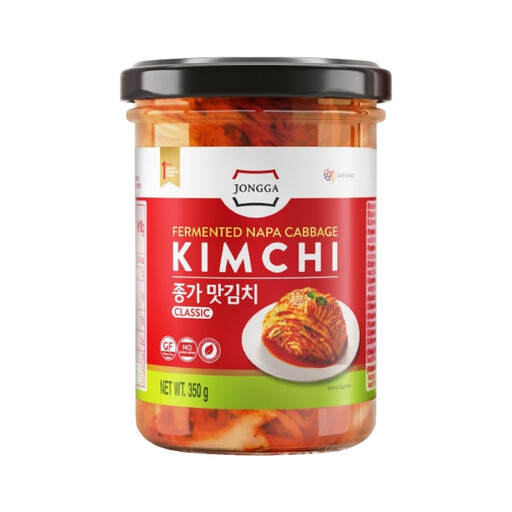
Why it suits this profile: The 350 g pack is a good fit for households that serve kimchi regularly with rice, noodles or meat dishes, or use it as an ingredient in hot meals.
The larger pack means you won’t need several small portions for different dishes. The ingredients include anchovies and fish, so this isn’t a vegan option.
350 g; tin; according to the product information, gluten-free and suitable as a side dish or ingredient.
We’ve put together a complete, up-to-date list of products that meet these strict selection criteria and current European safety regulations.
Check the net weight, ingredients, allergens, storage advice and shelf-life information. Also check whether you’re buying regular kimchi, stir-fried kimchi or a kimchi base. A kimchi base, such as Momoya Kimchi Base, is designed for seasoning vegetables yourself and is different from ready-to-eat kimchi.
It varies by product. Follow the label and store the pack as instructed. Seal it carefully and always use clean cutlery. For refrigerated products, check the recommended temperature and use them within the time stated on the packaging.
No. Some products contain anchovies, fish sauce or prawns. Others state that they contain none of the 14 major EU allergens, but that doesn’t automatically mean they’re vegan. So read the full ingredients list and check for a vegan label on the current packaging.
