
Vandaag of morgen in huis

Kwaliteit gegarandeerd

Welkomstaanbiedingen ontgrendelen: GRATIS bezorging | Tot 80% korting | Gratis 30 dagen JoyPlus-proefperiode
Download de app
Anyone buying herbs and spices will soon see dozens of jars, bags and blends with similar packaging. Yet they can differ considerably in their ingredients, quantity, salt content and ease of use. A spice blend for grilling, for example, is not the same as dried herbs for a tomato sauce.
This buying guide helps you compare practical features and identify common pitfalls. That way, you can choose more confidently for everyday cooking, barbecues, marinades or international dishes.
Names such as Mediterranean herbs, grilling spices or chilli spice blend sound clear enough, but the contents can vary considerably. Always check the ingredients list. If salt appears first, it makes up a large proportion of the blend. For example, Cape Herb & Spice Greek Lemon & Herb Rub consists of 40% sea salt. Rosemary makes up 18% and oregano 8%.
A product name gives you an indication, but the ingredients list shows what you are actually buying.
A 400 or 550 gram bag may seem appealing to frequent users, but dried herbs and spices gradually lose their aroma after opening. Only buy a large size if you use the product regularly. For a herb you need just a few times a year, a smaller pack may be more practical.
Store herbs in a cool, dry and dark cupboard, tightly sealed and away from steam, heat and moisture.
A spice blend is convenient, but it often already contains salt, sugar or flavour enhancers. This makes it harder to adjust the flavour precisely yourself. If you want to use less salt, for example, it may be better to combine individual basil, bay leaves or pepper with other flavourings.
Also check for allergens. TRS All Purpose Seasoning, for example, lists celery and mustard as allergens. If in doubt, always read the label on the packaging.
Do not just compare the price per jar; also compare the amount of herbs in relation to the salt. Salt-and-pepper seasonings can contain a considerable amount of salt. According to the product information, Qixian Black Pepper with Sea Salt contains at least 40% sea salt and at least 40% black pepper. Yun Shan Ban Sea Salt & Black Pepper lists 59.5 grams of salt per 100 grams.
That does not mean you need to avoid these products. Use them in moderation and taste your dish before adding extra salt.
Whole peppercorns, bay leaves and uncut basil are used differently from finely ground powders. A salt mill or a combination of sea salt and whole pepper can be useful if you want to adjust the grind while cooking.
Whole spices are often practical for soups, stews and marinades. HUASEED Bay Leaves contains 100% dried bay leaves. The instructions recommend adding one or two leaves during cooking and removing them before serving.
Choose a ready-made spice blend when speed is important. A sachet of Santa Maria Spicy Meat Sauce Seasoning Mix is designed for a spicy meat sauce and, according to the product description, can also be used with vegetarian mince. For more versatile cooking, individual spices or an all-purpose spice blend are more useful.
Also check:
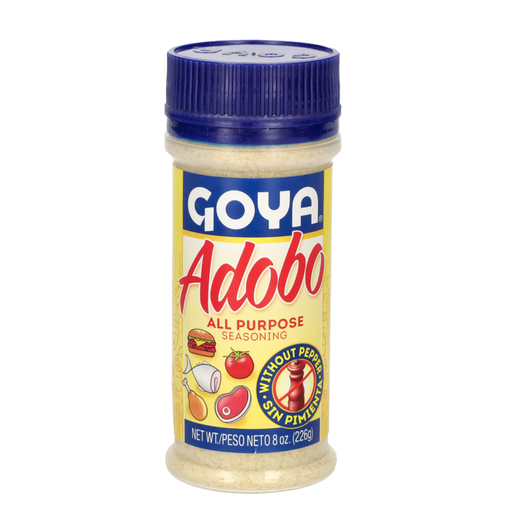
Why it suits this profile: This blend is intended for vegetables, beef, chicken and fish, making one pack suitable for a range of everyday dishes.
The product information clearly lists the ingredients: salt, garlic, anti-caking agent, oregano and turmeric. This makes it clear from the outset that it is a blended seasoning.
226 grams; pepper-free according to the product name; suitable for meat, fish and vegetables.
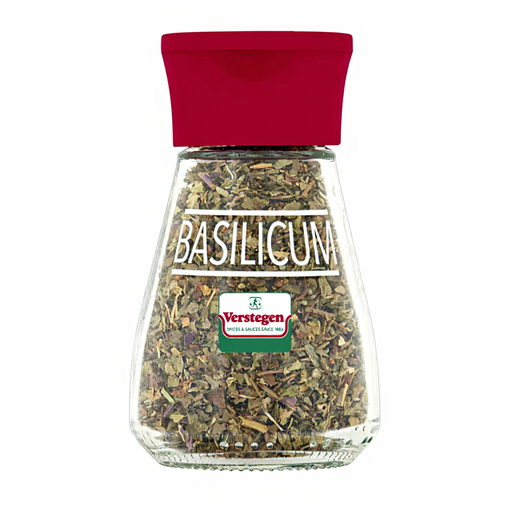
Why it suits this profile: If you prefer to create your own combinations, individual basil gives you greater control over the amount used in pasta, soup and tomato sauce.
The ingredients list consists of 100% basil, with no hidden salt, sugar or mixed seasoning.
100% basil; suitable for Mediterranean dishes, fish, pasta, soup and sauces.
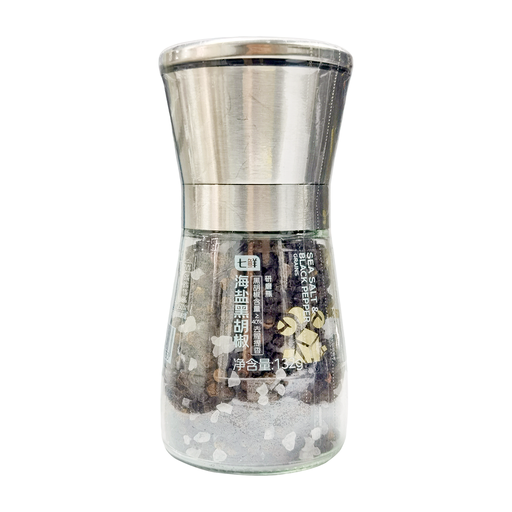
Why it suits this profile: The built-in mill is practical for steaks, grilled vegetables, salads and dishes you want to finish at the table.
The grind size is adjustable. Sea salt and black pepper are also listed as separate ingredients, so the composition is easy to check.
132 grams; integrated mill; at least 40% sea salt and 40% black pepper according to the product information.
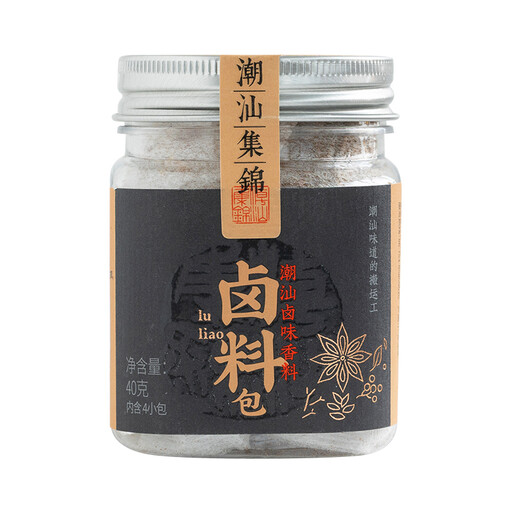
Why it suits this profile: One sachet combines several Chinese spices for stewed and braised dishes made with meat, chicken, eggs, tofu or vegetables.
The individual spices are listed, including star anise, cinnamon, bay leaves, fennel, cloves and mandarin peel. This tells you exactly what flavour profile to expect.
40-gram portion; intended for 500–1000 grams of ingredients; suitable for cooking with 2–3 litres of liquid.
We have compiled a complete, up-to-date list of products that fully meet these strict selection criteria and the applicable European safety regulations.
An all-purpose spice blend is practical for potatoes, vegetables, chicken and mince. However, check the salt content and allergens first. For greater control, choose individual dried herbs such as basil or bay leaves, and add pepper and salt separately.
Follow the best-before date on the packaging. Once opened, the aroma usually fades gradually, especially if the jar is kept in a warm or damp kitchen. Always seal the packaging properly and store herbs in a dry place away from direct sunlight.
That depends on how you use them and on the quantity. A combination product is quick and easy, while a salt mill with whole pepper gives you greater control over the grind. Compare the price per 100 grams, the amount of salt and whether you are likely to use the mill regularly.
