
Livraison le jour même et le lendemain

Qualité garantie

Débloquez vos offres de bienvenue: Livraison GRATUITE | Jusqu'à -80 % | 30 jours d'essai gratuits à JoyPlus
Téléchargez l'application
A seasoning blend may seem like a straightforward purchase, but the differences between jars can be significant. If you only pay attention to names such as “BBQ”, “spicy” or “Mediterranean”, you could end up with a blend that does not suit the dish or your personal taste. With Cape Herb & Spice seasoning blends in particular, it is worth comparing the ingredients, salt content and possible uses.
“Smokehouse”, “Peri Peri” and “Jerk” may sound self-explanatory, but they do not provide a complete picture of the flavour intensity. As well as chilli, a seasoning rub may contain a lot of salt, sugar, garlic or smoked flavourings. Always check the ingredients list and see which ingredient appears first.
Sea salt is a key ingredient in several seasoning blends. According to the product information, for example, the Greek Lemon & Herb Rub contains 40% sea salt. The Smokehouse BBQ Rub contains 38% smoked salt. This means you often will not need to add extra salt while cooking. Start with a small amount and taste before adding more.
Some rubs are mainly suitable for meat or chicken, while others can also be used with potatoes, fish, vegetables or bread. So do not just look at the packaging; check the suggested uses too. This will help you get more from each pack and prevent the seasoning blend from sitting unused in your kitchen cupboard.
A seasoning blend for meat is not always made up mainly of herbs and spices. Check the order of the ingredients:
The product information for the Greek Lemon & Herb Rub lists 18% dried rosemary, roasted garlic, oregano and dried lemon peel, among other ingredients. This gives you an indication of the flavour profile, although the final intensity also depends on how much you use.
For chicken seasoning, meat seasoning and seasonings for grilling and barbecuing, the desired level of heat is important. Peri peri and chipotle both contain chilli, but they do not taste the same:
A chilli rating on the packaging is only a guide. When marinating or applying a rub, start with a thin layer and add more later if needed.
If you have allergies, always check the current packaging. Portuguese Peri Peri lists mustard in capital letters and may contain traces of allergens including celery, gluten, sesame, soya and sulphites. The Chipotle Chilli Rub also lists possible traces of various allergens.
A shaker is useful for sprinkling the seasoning evenly, but do not use it over a steaming pan. According to the product information for several variants, you should store the jar in a cool, dry place, keep the lid tightly closed and avoid using the blend directly over steam. This prevents moisture from getting into the packaging.
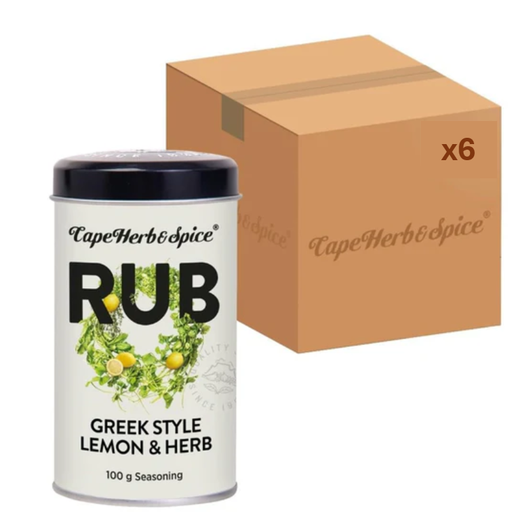
Why it suits this profile: The combination of lemon peel, garlic, rosemary and oregano is practical for chicken, lamb and potatoes. This means you do not need to buy several individual herbs straight away.
The product information lists several possible uses rather than focusing on one specific dish. Do pay attention to the stated salt content and do not automatically add extra salt.
100 grams per pack; shaker format; lemon and herb blend including rosemary, oregano and garlic.
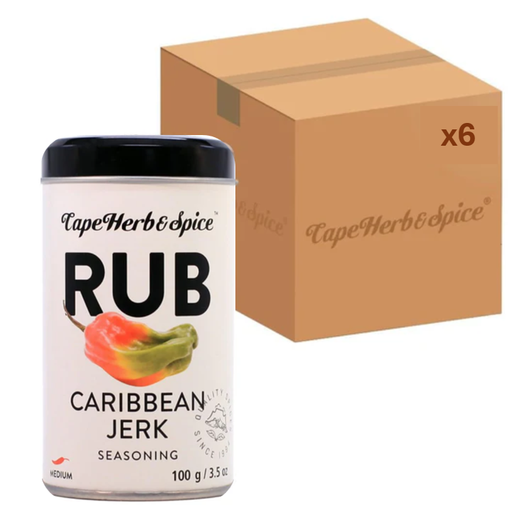
Why it suits this profile: This rub is designed for grilling, roasting and barbecuing. According to the product description, it combines chilli, thyme, cinnamon, allspice and black pepper.
The product information states that it has a medium chilli rating. This provides more guidance than a name such as “Jerk” alone, although personal taste remains the deciding factor.
100 grams per pack; suitable for meat, chicken, seafood and vegetables; contains 17% chilli flakes according to the product information.
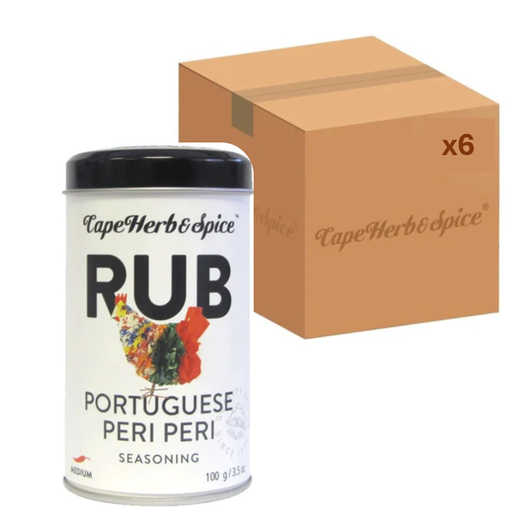
Why it suits this profile: This peri peri seasoning can be used with chicken, beef, lamb, seafood, potatoes and dips. It is ideal for people who regularly want to add a spicy kick to a range of dishes.
The suggested uses are wide-ranging and include adding the seasoning before and during cooking. Check the stated mustard content and possible traces of allergens.
100 grams per pack; chilli, paprika, garlic and black pepper; also suitable for bread dough, cream cheese dip and potato wedges.
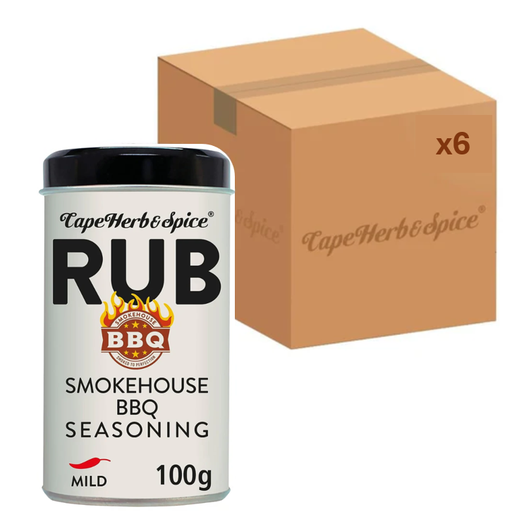
Why it suits this profile: This blend focuses on smoky barbecue flavours, with smoked salt, smoked paprika, garlic, coriander and cumin.
The smoky flavour does not come from the product name alone: the ingredients list includes smoked salt, smoked paprika and smoke extract. Bear in mind that it contains 38% smoked salt.
100 grams per pack; suitable as a BBQ rub for meat and vegetables; contains 10% smoked paprika according to the product information.
For an even coating, pat meat, chicken or vegetables dry first. Then rub a small amount of seasoning over the surface. For a marinade, you can combine the seasoning blend with oil, yoghurt or another suitable base, depending on the dish. Leave the rub to soak in briefly or cook the food straight away, following your own recipe.
A light sprinkling is often enough for fish and vegetables. For potatoes, add the seasoning before baking. Do not sprinkle the blend over a pan that is producing a lot of steam, and close the shaker securely after use.
Would you prefer to choose between a seasoning rub, a spicy BBQ rub, chipotle seasoning or a mild blend for everyday cooking? Take a look at the other available products too, and check the contents, ingredients, allergens and suggested uses on each pack.
We have compiled a complete, up-to-date list of products that fully meet these strict selection criteria and the applicable European safety regulations.
That depends on the variant. According to the product description, the Greek Lemon & Herb Rub is suitable for lamb, chicken and potatoes, among other foods. According to the suggested uses, Portuguese Peri Peri is suitable for chicken, beef, lamb and seafood. Always check the ingredients and choose a flavour profile that complements the dish.
Follow the best-before date on the packaging. Store the seasoning blend in a cool, dry place, keep the lid tightly closed and prevent contact with steam. Moisture can affect the texture of a powdered blend. Use a dry spoon when taking the seasoning from the shaker.
It is usually best to taste the food before adding extra salt. Sea salt appears high on the ingredients list for several variants. The exact composition varies by product, so check the packaging before sprinkling the rub over meat, chicken, fish, potatoes or vegetables.
