
Vandaag of morgen in huis

Kwaliteit gegarandeerd

Welkomstaanbiedingen ontgrendelen: GRATIS bezorging | Tot 80% korting | Gratis 30 dagen JoyPlus-proefperiode
Download de app
A spice blend might seem simple: sprinkle, mix and cook. Yet seasoning mixes vary greatly in their composition, salt content, pack size and how you use them. If you only go by an eye-catching packet or a country name, you could end up with a product that's too salty, too spicy or just impractical for the dishes you regularly cook.
This buying guide will help you buy spice blends and seasonings with confidence. You'll learn what to look out for, and then discover some popular choices for chicken, meat, barbecue, rice and international dishes.
In many blends, salt sits high on the ingredients list. That's not necessarily a problem, but it does affect how much you need and how much control you have over your dish. According to the product information, the Cape Herb & Spice Greek Lemon & Herb Rub contains 40% sea salt. The Santa Maria Taco Spice Mix, on the other hand, lists no added salt and has a stated salt content of 0.26g per 100g.
So compare the ingredients and nutritional information, rather than just judging by the name "rub" or "seasoning".
A spice blend for meat can also work with vegetables, but a mix for nasi goreng, char siu or Korean chicken is usually formulated for a specific dish. A BBQ rub is typically designed to be rubbed dry onto meat, whereas a powdered mix containing flour might be intended for a coating or batter.
First, think about what you want to use the blend for: seasonings for chicken, seasonings for meat, fish, potatoes, rice or a marinade. That way, you'll avoid ending up with a large pack sitting unused in your kitchen cupboard.
Always check the label, especially with composite products. The Delief Korean Fried Chicken Mix contains wheat flour and is therefore not suitable for anyone who needs to avoid gluten. Toko Lien Boemboe Nasi Goreng lists wheat, prawns and soya among its ingredients. The Huaseed BBQ Seasoning contains sesame, peanut and soya, according to the product information.
Even "no added salt" doesn't mean a product is suitable for every diet. Look at the full ingredients list, nutritional values, allergen information and preparation instructions on the packaging.
Pay attention to the difference between salt content per 100g and the amount you actually use per serving. A product with a high salt percentage can be practical when the meat needs little extra seasoning, but less suitable if you want to build the flavour yourself.
For heat, a concrete composition is more useful than words like "fiery" or "authentic". According to the product description, the Cape Herb & Spice Caribbean Jerk Rub contains 17% chilli flakes and has a medium chilli rating. The Chipotle Chilli Rub contains 14% chipotle chilli. That gives you a much better indication than a marketing image with chillies.
A shaker is handy for regular use with barbecue, potatoes or vegetables. A sachet of 25 to 28g is better when you want to prepare a dish once or a few times. For large portions or frequent cooking, a pack of 100g or more can be more economical, but do check the shelf life and storage.
Store spice blends in a cool, dry place and keep them tightly sealed. Don't use a shaker over a steaming pan; moisture can make the powder clump together.
A marinade seasoning mix can be used dry or mixed with oil. A sauce or bumbu mix may already contain oil, sugar, soya or flavour enhancers. According to the product information, the Lobo Roast Red Pork Seasoning Mix is intended for char siu and is mixed with pork before roasting or grilling.
The Delief mix is a different type: it contains wheat flour, herbs and maize starch and is designed for Korean fried chicken. So don't choose based on cuisine alone; also consider the cooking technique.
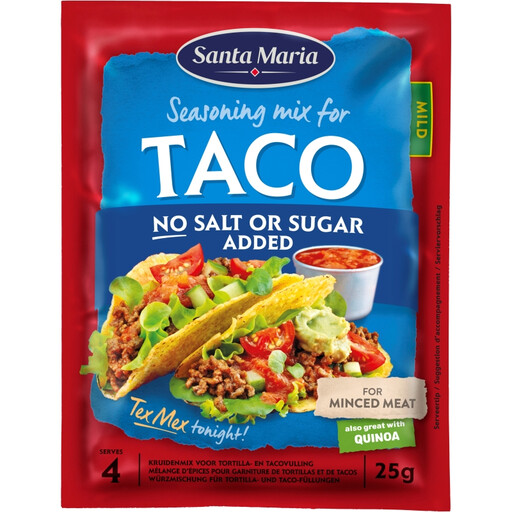
Why this suits the profile: A small sachet is ideal for making tacos or burritos straight away without having to stock up. The mix contains cumin, onion, chilli, garlic and oregano, among other ingredients.
The product information states no added salt, sugar or other additives. You can therefore control the amount of salt yourself.
25g; none of the 14 major EU allergens listed; suitable for tacos, burritos and minced meat fillings.
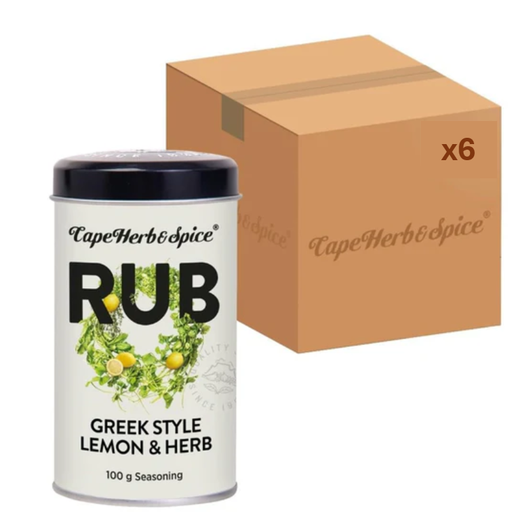
Why this suits the profile: According to the ingredients list, this rub combines rosemary, roasted garlic, oregano, lemon zest and mint for Mediterranean dishes.
The ingredients are clearly specified. This means you can see that sea salt makes up 40% and adjust your usage accordingly.
Six 100g packs; suitable for lamb, chicken and potatoes; can be sprinkled or used as a rub.

Why this suits the profile: The generous size is practical for anyone who makes Korean fried chicken regularly and wants a mix containing flour and starch.
It's not a general seasoning blend but a product designed for a specific preparation. The wheat flour is clearly stated, so you can check this in advance.
500g; contains herbs and flour; suitable for a crispy chicken preparation.
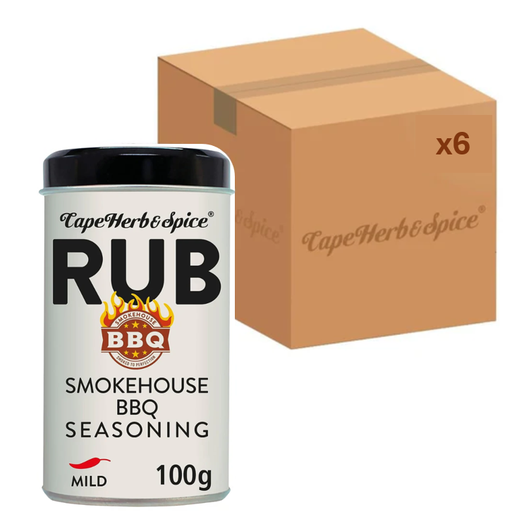
Why this suits the profile: The combination of smoked salt, smoked paprika, garlic, coriander and cumin is ideal for barbecue and oven cooking.
The product information specifically mentions smoked salt and smoked paprika. So you know exactly what flavour profile you're buying, rather than just relying on the term BBQ.
Six 100g packs; designed for barbecue and oven cooking; suitable for meat and chicken.
We've put together a full, up-to-date list of products that fully meet these strict selection criteria and comply with current European safety regulations.
That depends on the cuisine you're after. For a Mediterranean preparation, a lemon and herb rub with rosemary and oregano works well. For a quick meal, you could choose fajita seasoning or a curry spice blend. With chicken, always check whether the mix is intended for sprinkling, marinating or incorporating into a sauce.
Mix a dry blend with a little oil and optionally some lemon juice, yoghurt or water, depending on the recipe. Spread the marinade over chicken, meat, fish or vegetables and follow the instructions on the packet. Don't automatically add extra salt to a salty rub. Raw marinade that has been in contact with meat should not be used as a sauce without heating it first.
Follow the date and storage instructions on the packaging. Store an opened mix in a dry, cool place and keep it tightly sealed. A spice blend can lose its aroma over time, especially if moisture gets in frequently. Smell and inspect the product after use, but when in doubt, use the information on the label as a guide.
