
Vandaag of morgen in huis

Kwaliteit gegarandeerd

Welkomstaanbiedingen ontgrendelen: GRATIS bezorging | Tot 80% korting | Gratis 30 dagen JoyPlus-proefperiode
Download de app
A good seasoning blend can quickly add more flavour to meat, chicken, fish or vegetables. Yet it can be tricky to compare barbecue seasonings. A flashy packet tells you little about the amount of salt, sugar or chilli inside. What’s more, terms like “authentic”, “smoky” and “restaurant-style” can set expectations that don’t always suit your dish.
So pay close attention to the ingredients, how to use it, and the quantity. That way, you’ll avoid a jar sitting unused in your kitchen cupboard after just one barbecue.
BBQ spices, barbecue seasoning and grill seasonings are often presented with big flavour claims. Always check the ingredients list. If salt appears first, then salt makes up a significant part of the blend. For example, Cape Herb & Spice Smokehouse BBQ Rub contains 38% smoked salt. That can be ideal for fans of a pronounced smoky flavour, but less suitable if you want to control the salt level yourself.
A dry BBQ rub is sprinkled or rubbed directly onto the food. A marinade for meat is usually liquid and can be left to soak in for longer. A seasoning blend can sometimes work for both purposes, but always check the instructions. The Chipotle Chilli Rub from Cape Herb & Spice is described as a spice, rub, marinade or table seasoning. That doesn’t mean every dry seasoning blend will give the same result.
International seasoning blends often contain soya, wheat, gluten, peanuts, sesame or celery. Basak Barbecue Chicken Seasoning, for instance, contains wheat and is therefore not suitable for everyone. Huaseed BBQ Seasoning Spicy lists sesame, peanut and soya. Always read the label on the packaging before buying and using it; information on a product page can change.
Also keep an eye on sugar and salt. Lobo Roast Red Pork Seasoning Mix, for example, contains 55g of sugar and 15g of salt per 100g according to the product information. That suits a sweet char siu preparation, but it’s an important factor if you’re combining several seasonings.
Look beyond the name “spicy”. A blend with chipotle gives a smoky chilli flavour, while Sichuan pepper offers a different aroma. For spicy BBQ seasonings, the types of chilli, cayenne pepper and any chilli flakes are key. If you prefer a milder result, choose a blend where herbs like oregano, rosemary, garlic or paprika are clearly present.
Examples of flavour directions:
A dry seasoning mix is handy for chicken skewers, burgers, potatoes and vegetables. A rub often contains coarser ingredients that stick to the surface. A sauce is suitable for brushing, dipping or adding after grilling.
Pay attention to when you use it. Sauces with sugar can caramelise or darken more quickly over high heat. So you may want to apply them towards the end of cooking. With a dry rub, you can lightly brush the meat or vegetables with oil beforehand so the spices stick better.
Compare the weight with how often you use BBQ seasonings. A 35g or 40g pack is practical for trying a new flavour. A set of six jars might be more interesting for regular barbecue fans, but check the shelf life and storage instructions.
Store dry spices sealed, in a cool, dry place. Don’t use a shaker over a steaming pan or barbecue, as moisture can make the mix clump. Sauces should be stored according to the label after opening; some products need refrigeration.
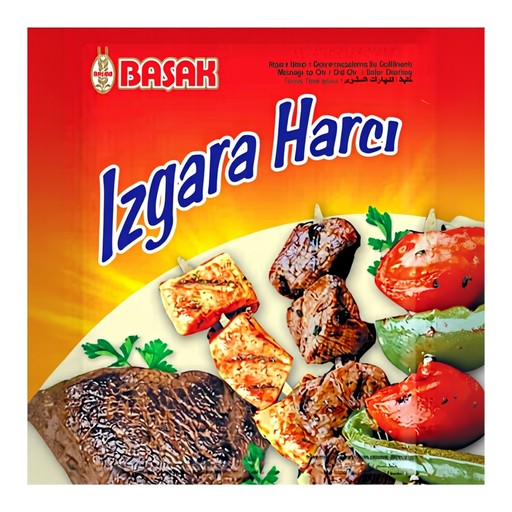
Why this fits the profile: The 60g pack is a manageable size for anyone wanting to try a standard grill seasoning without buying a large quantity straight away.
The product information lists nutritional values and states that the mix contains none of the 14 main EU allergens. Always check the packaging though.
Turkish grill mix in a compact size; suitable for grilled dishes.
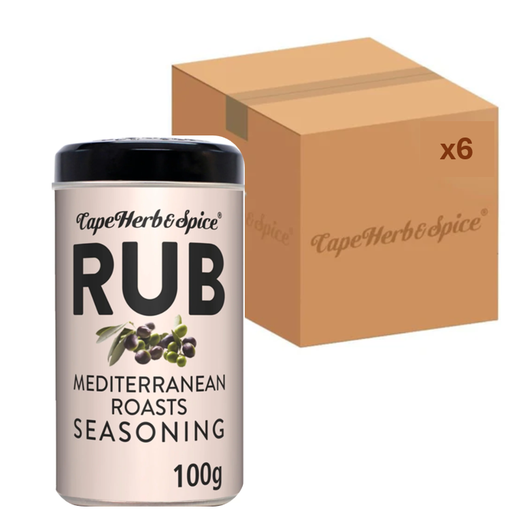
Why this fits the profile: The set offers six 100g packs for anyone who cooks regularly and wants a versatile seasoning blend for multiple dishes.
The uses are clearly described: chicken, fish, potatoes, vegetables, pasta sauce and pizza. So the stock isn’t just for meat.
Mediterranean herbs with garlic; suitable for fish, chicken, vegetables and potatoes.
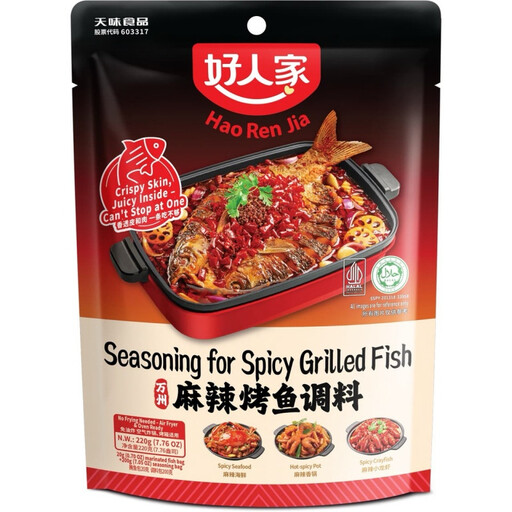
Why this fits the profile: This is a complete seasoning base for Sichuan-style grilled fish, with a sauce sachet and a spice powder sachet.
The preparation steps and suitable fish size are provided. The product contains soya and colourings; check this beforehand if relevant.
Two-component pack for roughly one whole fish weighing 1 to 1.5 kg; pronounced spicy and aromatic profile.
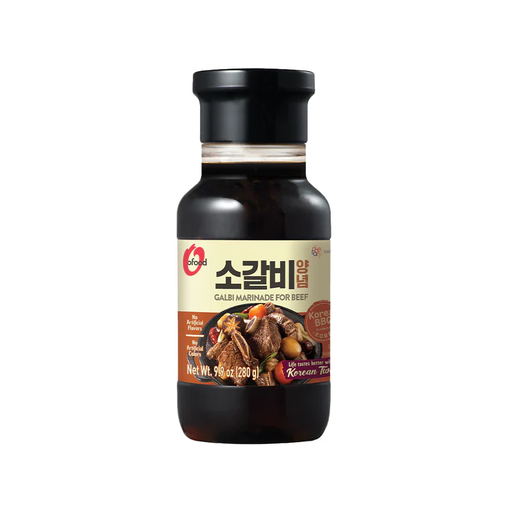
Why this fits the profile: This liquid Korean marinade is designed for beef and suits anyone who wants a sweet-savoury BBQ flavour without mixing several ingredients themselves.
The intended use for beef and the ingredients are clearly stated. The marinade contains soya and wheat; read the label if you have allergies.
Liquid marinade, 280g, with soya, garlic, ginger, pear and apple purée.
We’ve put together a full, up-to-date list of products that fully meet these strict selection criteria and comply with current European safety regulations.
Chicken pairs well with paprika, garlic, onion, oregano, lemon and black pepper. A blend like Basak Barbecue Chicken Seasoning is specifically formulated for chicken. Check the ingredients if you want to avoid gluten or other allergens.
It depends on the product. A dry rub can often sit for a short time, while a liquid marinade needs longer. Follow the instructions on the packaging and store marinated meat in the fridge. Don’t reuse raw marinade as a sauce unless you heat it through thoroughly first.
Store dry BBQ seasoning in a cool, dry place, tightly sealed. Avoid steam and direct sunlight. Store an opened sauce according to the label; some sauces need to be refrigerated after opening. Always check the best-before date and the packaging for any damage.
