
Vandaag of morgen in huis

Kwaliteit gegarandeerd

Welkomstaanbiedingen ontgrendelen: GRATIS bezorging | Tot 80% korting | Gratis 30 dagen JoyPlus-proefperiode
Download de app
A good seasoning blend can quickly add flavour to chicken, meat, fish or vegetables. However, the packaging alone does not always provide enough information to make an informed choice. Some BBQ seasonings consist largely of salt or sugar, while others are more like a marinade, sauce or meal mix than a genuine barbecue rub.
As a Joybuy Product Recommendation Officer, I filter the most important product information to make comparison easier. Below, you’ll discover what to look for, which barbecue seasonings suit different cooking styles and which purchasing pitfalls you can avoid.
Spicy BBQ seasonings may contain a generous amount of chilli, allowing other flavours to quickly recede into the background. Always check the ingredients list. According to the product description, Cape Herb & Spice Caribbean Jerk Rub contains 17% chilli flakes, thyme, cinnamon, allspice and black pepper. The manufacturer describes the chilli intensity as medium. This provides more useful guidance than simply displaying peppers on the packaging.
A 250-gram jar may seem appealing to frequent BBQ enthusiasts, but seasonings gradually lose their aroma after opening due to exposure to air, moisture and heat. Don’t buy based on weight alone. Also consider how often you’ll use the product, the quality of the seal and the best-before date on the packaging.
A multipack, such as Cape Herb & Spice Greek Lemon & Herb Rub 100 g x 6, can be practical if you grill regularly or want to keep several flavours on hand. For occasional use, a 25- to 60-gram sachet is often the more sensible choice.
Not every product is a dry rub. The range includes:
Always read the preparation instructions. A product suitable for cooking in a pan is not necessarily intended for direct use on the grill.
Salt content varies considerably. Greek Lemon & Herb Rub lists 40% sea salt and 38.83 grams of salt per 100 grams. Cape Herb & Spice Smokehouse BBQ Rub lists 38% smoked salt and 37.1 grams of salt per 100 grams. These products can deliver plenty of flavour in a small quantity, but this is important to bear in mind if you add extra salt.
There are also options with no added salt. According to the product description, the 25-gram Santa Maria Mexican Fajita Seasoning Mix contains no added salt, sugar or other additives. This allows you to decide exactly how much salt goes into the dish.
Check the current packaging before purchasing, particularly if you have allergies or intolerances. Potential points to consider in this range include:
A product description is useful as an initial reference, but the packaging remains definitive if recipes have been updated.
For a quick barbecue, sprinkle-on blends are convenient. Rub the seasoning over the surface and, if necessary, leave the product to rest for 15 to 30 minutes, as stated for WEI MEN Barbecue Seasoning.
For deeper flavour, choose a marinade or sauce. According to the product information, O'Food Korean BBQ Galbi Marinade is intended for beef. DAISHO Wasabi Yakiniku BBQ Sauce can, according to the description, be used for grilling, dipping or marinating meat, fish and vegetables.
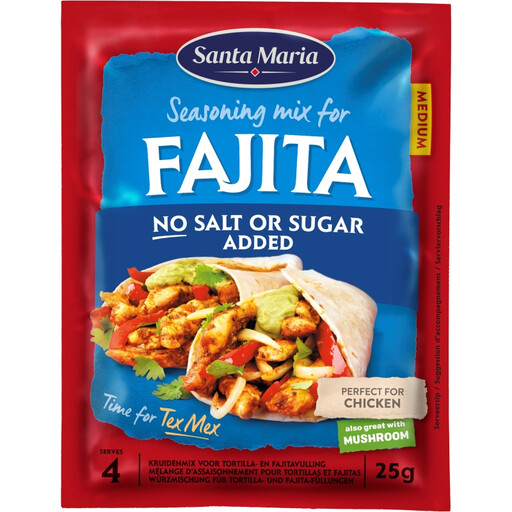
Why This Fits Their Persona: A small sachet is ideal for occasional grillers who want to prepare a Tex-Mex meal with chicken, beef or vegetables.
The product information states that it contains no added salt or sugar, allowing you to adjust the quantity yourself.
25 g pack; suitable for chicken, beef and roasted vegetables; according to the description, contains none of the 14 major EU allergens.
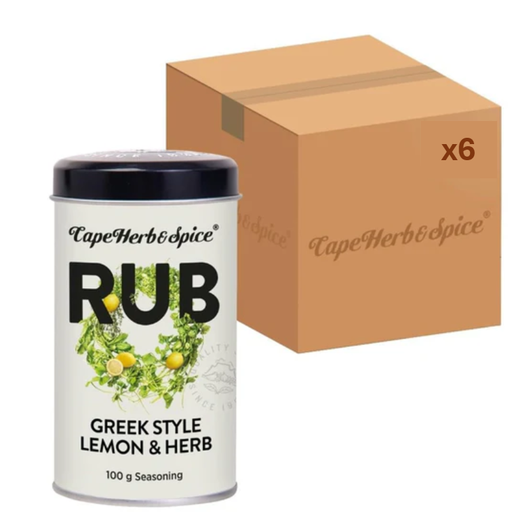
Why This Fits Their Persona: A multipack suits households that cook frequently and want to prepare a variety of dishes with a Mediterranean flavour profile.
The ingredients and nutritional values are clearly stated. The blend includes sea salt, rosemary, garlic, oregano and lemon peel.
Shaker format; suitable for lamb, chicken and potatoes; lemon, garlic and herbs create a distinctive flavour profile.
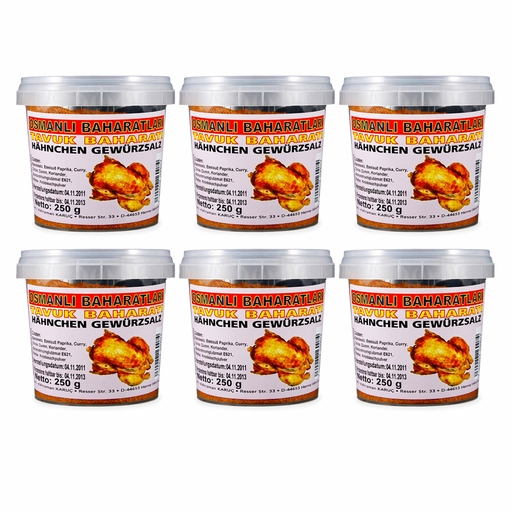
Why This Fits Their Persona: The larger pack is well suited to frequent grillers, larger households and anyone who regularly grills, bakes or marinates chicken.
Its intended uses are clearly described: grilling, baking, marinating and roasting. This helps you avoid buying a blend designed for just one dish.
250 g contents; Turkish seasoning blend for chicken; according to the product information, free from the 14 major EU allergens.
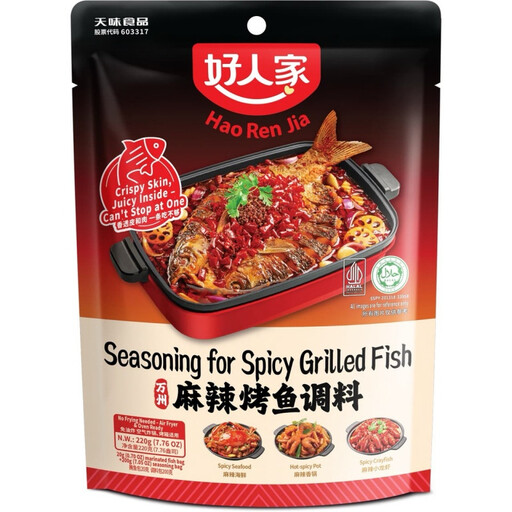
Why This Fits Their Persona: Ideal for anyone who wants to combine grilled-fish seasoning with a Sichuan-inspired meal and a clearly defined preparation method.
This is clearly a two-part preparation set with sauce and seasoning powder, rather than a simple sprinkle-on blend. The packaging also lists soy as an allergen.
220 g; designed for one fish weighing approximately 1 to 1.5 kg; sauce and seasoning powder in a single pack.
Browse a current selection of barbecue meat seasoning rubs and compare dry rubs, chicken seasonings, marinades and global seasoning blends by use, quantity and ingredients.
Chicken pairs well with seasonings containing paprika, garlic, onion, black pepper and herbs such as oregano or mint. Basak Barbecue Chicken Seasoning and Osmanli Chicken Spice are specifically described for chicken and poultry. With Basak, however, check the listed wheat-based gluten allergen.
Yes. Many dry rubs are also suitable for potatoes, peppers, courgettes and other vegetables. According to the product information, Greek Lemon & Herb Rub is recommended for potatoes. With vegetables, you can mix the seasoning with a small amount of oil to help it adhere more effectively.
A barbecue rub is generally dry and is rubbed or sprinkled directly onto the product. A marinade is liquid, or is prepared by combining ingredients with oil, water or a sauce. A rub is convenient for quick grilling, while a marinade is better suited to food that you want to leave to absorb flavour in advance. Always check the instructions and allergen information on the specific packaging.
