
Vandaag of morgen in huis

Kwaliteit gegarandeerd

Welkomstaanbiedingen ontgrendelen: GRATIS bezorging | Tot 80% korting | Gratis 30 dagen JoyPlus-proefperiode
Download de app
Buying beef online is convenient, but an attractive product photo doesn’t always tell the full story. If you only look out for terms like “premium beef”, marbling or “restaurant quality”, you could end up with a cut that isn’t right for the way you plan to cook it. Portion size, freezer storage and the exact type of meat also determine whether your purchase is practical.
With these checkpoints, you can compare beef online based on verifiable product information. Below, we’ve included some popular choices for different cooking styles and budgets.
“Steak” can refer to several different parts of the cow. A flat iron steak, bavette, rump steak and rib finger each have a different texture and cooking method. A tender piece for quick frying isn’t automatically suitable for slow cooking. Always check the cut, the weight and the recommended cooking method.
Marbling can add extra flavour and juiciness, but more fat isn’t right for every meal. On a product page, you should look at the nutritional values per 100 grams, the origin and the ingredients list. According to the brand’s or supplier’s own product information, a product may be labelled as “premium”; this isn’t an official, uniform quality grade.
With frozen beef, the cold chain is important, but so is your own storage. Products in this selection generally need to be stored at -18 °C or lower. Thaw beef in the fridge and do not refreeze it after thawing. Also check whether the product comes as one block, in portions or in thin slices.
A 1 kg pack may consist of one large piece or several portions. This makes a difference for storage and use. The Beef Chuck Steak 1 kg, for example, is divided into 4 pieces of 250 grams. That’s handy when you want to plan several meals. A pack of 2 tournedos weighing 150 grams each is better suited to a meal for two.
Before ordering, read:
A product page may show additional information, but the packaging and label remain the main source for warnings, shelf life and cooking instructions.
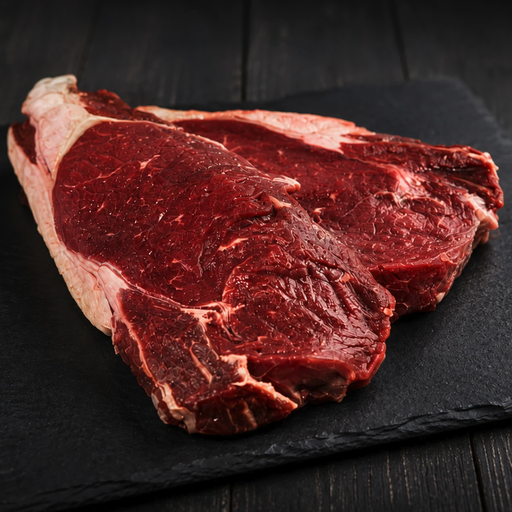
Why this fits the profile: The pack contains four separate pieces of 250 grams. This makes portioning and storing easier for anyone buying beef online for the first time.
The cut and portion distribution are clearly stated. So you don’t have to rely solely on the name “steak”.
100% beef, 1 kg total weight and four portions of 250 grams. Suitable for a variety of beef dishes.
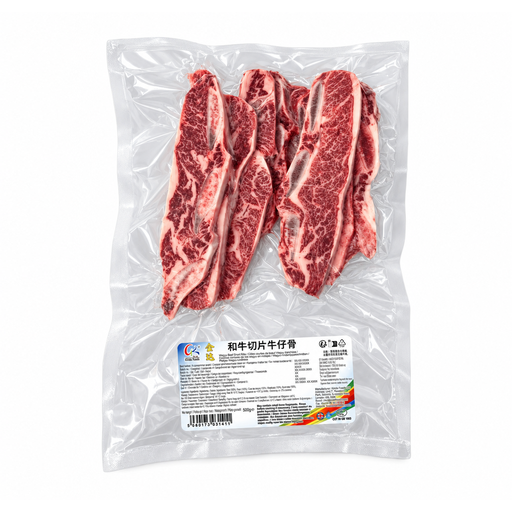
Why this fits the profile: According to the product description, these are British Wagyu short ribs with bone and visible marbling, intended for barbecue, grill or oven.
The product name states the origin type, cut, bone and weight. This means you can’t assess marbling separately from the actual cut.
500 grams, 100% beef according to the product information and suitable for grilling, frying or finishing in the oven.
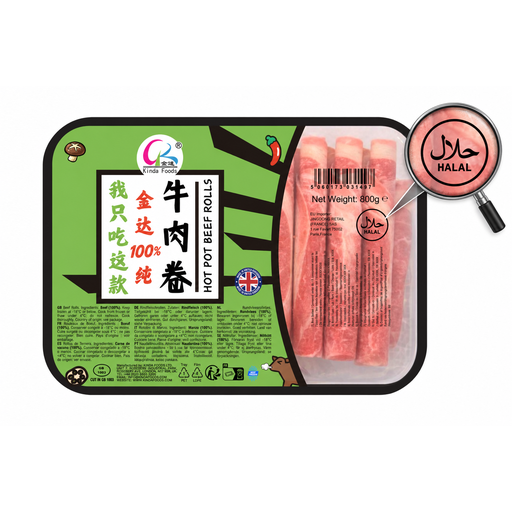
Why this fits the profile: The thin, even slices are designed for hotpot and stir-fry dishes. The title mentions halal; always check the label and current product information upon receipt.
The product information states the intended use, slice thickness and storage at -18 °C or lower. This stops you from buying a thick piece for a cooking method that takes just seconds.
800 grams, 100% beef according to the label and suitable for hotpot and stir-frying. Do not refreeze after thawing.
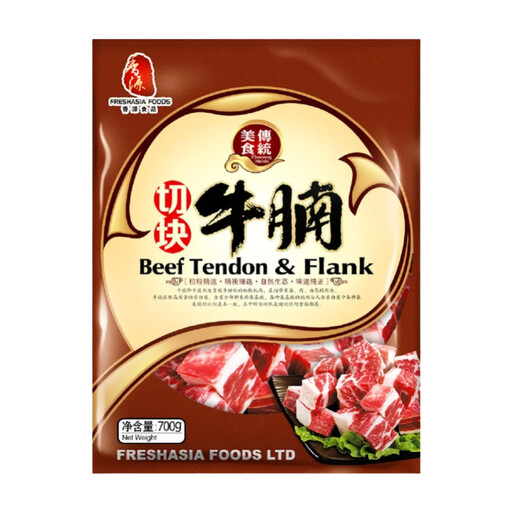
Why this fits the profile: This 700g block is intended for stewing, soup, braising and broth, according to the product description. It suits cooks who want to prepare larger portions in advance.
The recommended cooking method is clearly described. You won’t accidentally use this brisket as a quick steak.
700 grams, 100% beef and storage at -18 °C or lower according to the product information.
We’ve put together a full, up-to-date list of products that fully meet these strict selection criteria and comply with current European safety regulations.
For a main course, allow roughly 150 to 250 grams of raw meat per adult. For hotpot, the amount depends on the other ingredients, such as vegetables, noodles and tofu. Thinly sliced beef is often combined in smaller portions with several components.
Thaw the meat covered in the fridge. Use it within the time stated on the packaging and do not refreeze it. Wash your hands, chopping boards and utensils after contact with raw meat. Always follow the product instructions for the required core temperature and, if in doubt, use a food thermometer.
That depends on the weight, cut, delivery costs and portion size. A larger pack may work out better per 100 grams, but only if you have enough freezer space and use the meat in time. So compare the price per kilogram, not just the price of the pack.
