
Vandaag of morgen in huis

Kwaliteit gegarandeerd

Welkomstaanbiedingen ontgrendelen: GRATIS bezorging | Tot 80% korting | Gratis 30 dagen JoyPlus-proefperiode
Download de app
A bubbling pot of fragrant broth, a table laden with fresh vegetables, and the sizzle of meat cooking in seconds. Enjoying hotpot at home is a fantastic way to share an interactive meal with friends or family. But the success of your hotpot hinges on the quality of its ingredients, especially the meat. Finding the perfect hotpot beef—sliced thinly enough and of excellent quality—can be a challenge.
Many supermarkets don't offer the thinly sliced beef specifically suited for Asian cuisine. And slicing a cut of beef paper-thin yourself is nearly impossible without professional equipment. This article serves as a practical guide. We highlight several options specially selected for their suitability for hotpot, so you can easily prepare a restaurant-quality meal at home.
Before we dive into the products, here are a few key points to help you make your choice. These specifications determine how the meat cooks, tastes, and feels.
The most important characteristic of beef for hotpot is its thickness. Ideally, the slices should be between 1 and 2 millimetres thick. This ensures the meat cooks almost instantly when dipped into the hot broth. This type of meat is also known as shabu shabu meat. Most products come in the form of beef rolls, which are easy to portion and don't stick together.
Not every part of the cow is equally suitable. Cuts with good fat marbling (fine lines of fat running through the muscle tissue) are often more tender and flavourful. Ribeye, for example, is a popular choice due to its excellent balance of meat and fat. The fat melts in the hot broth, giving the meat a juicy texture and rich flavour.
Frozen beef slices are an excellent and practical option. By freezing the meat immediately after slicing using the IQF (Individually Quick Frozen) method, its freshness, flavour, and texture are optimally preserved. The major advantage is that you can always have a supply on hand for a spontaneous hotpot night. Furthermore, the meat is ready to use right after thawing.
Based on product specifications like cut, thickness, and origin, we have curated a selection of choices for you.
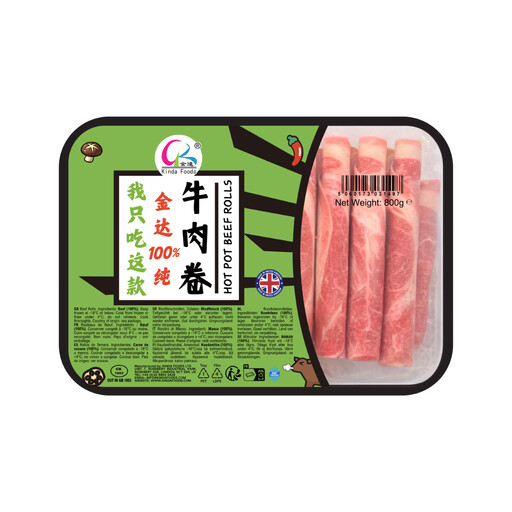
Why it stands out: This bulk pack offers a generous amount of beef rolls, sourced from British cattle. The focus is on consistent quality and convenience for both hotpot and other quick meals.
Pros:
stir-fry beef dish.Who is it for? Ideal for families or groups who regularly enjoy hotpot and value having a good supply with a reliable origin.
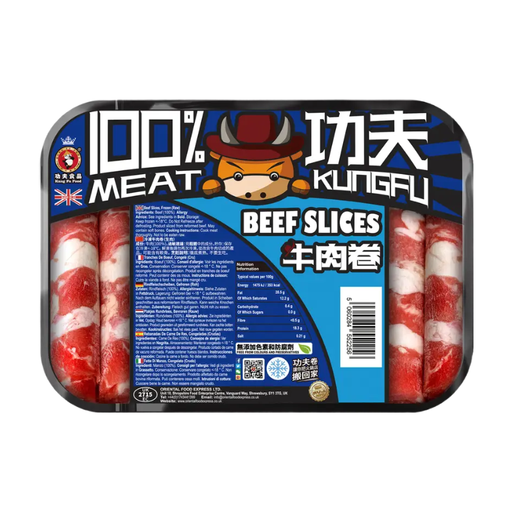
Why it stands out: These beef slices are designed for maximum flavour and convenience. The 400g package is practical for a meal for two to three people.
Pros:
Who is it for? A great choice for couples or small families looking for a quick, flavourful, and versatile meat option for various Asian dishes.

Why it stands out: This product distinguishes itself with its choice of a premium cut: ribeye. The thickness is precisely specified at 1.2 mm, targeting the enthusiast seeking optimal texture.
Pros:
Who is it for? For the hotpot aficionado who prioritises the texture and flavour that a premium cut of meat like ribeye delivers.
If beef isn't quite what you're looking for, or if you want to expand your hotpot experience with other tender meats, there are other options that work wonderfully in a hotpot. For an even softer texture, you might consider veal, for example.
Check out our assortment of veal for more inspiration for your next meal.
1. Can I use this meat for other dishes? Absolutely. While it's perfect for hotpot, this thinly sliced beef is also ideal as stir-fry beef. Thanks to the thin slices, it cooks in under a minute in a hot wok. It's also a great addition to noodle soups (like pho or ramen) or for making Korean bulgogi.
2. What's the best way to thaw frozen beef slices? For the best quality and texture, you should thaw the frozen beef slices in the refrigerator for a few hours beforehand. In a hurry? Place the sealed package in a bowl of cold water. Be sure to cook and consume the meat immediately after thawing. Never refreeze thawed meat.
Hotpot beef is paper-thin (1-2 mm), allowing it to cook in just a few seconds in the hot broth. This results in a much more tender and juicy experience that is characteristic of hotpot.