
Vandaag of morgen in huis

Kwaliteit gegarandeerd

Welkomstaanbiedingen ontgrendelen: GRATIS bezorging | Tot 80% korting | Gratis 30 dagen JoyPlus-proefperiode
Download de app
Want to buy beef, but feeling overwhelmed by all the cuts, packaging options and nutritional values? Ordering beef online can be practical, especially when you need portions for a barbecue, hotpot or professional kitchen. However, there are a few pitfalls that can quickly lead to a disappointing purchase.
Don’t focus only on words such as “premium”, “tender” or “restaurant quality”. Above all, check the cut, weight, storage method and nutritional information. That way, you can choose beef that suits both your recipe and your budget.
Not every steak is suitable for quick frying. Beef shank and other cuts with more connective tissue generally only become tender when cooked slowly. Thinly sliced ribeye, on the other hand, is intended for very short cooking in hot stock or a wok.
A common mistake is buying a braising cut for the barbecue, or frying a thin hotpot slice for too long. So start by considering your dish, then choose the cut of meat.
A 1 kg pack may contain one large piece, several portions or loose pieces. This makes a difference when storing and portioning the meat. Packs such as 4 x 250 g or 2 x 200 g are easier to manage when buying for a family, meal planning or catering.
Also check whether the stated weight is the net weight. With beef ribs or short ribs, the ratio of meat to bone can affect the final amount of edible meat.
100% beef means that, according to the product information, no other ingredients have been added. It does not automatically say anything about tenderness, marbling, origin or the most suitable cooking method. Always compare the ingredients list with the nutritional values and product description.
The cold chain is also important for frozen meat. Products that remain frozen from storage through to delivery should be placed straight into your freezer at home. According to the product information for the items mentioned, they are stored, packaged and transported chilled.
Use this practical guide:
If you’re looking for high-protein beef, you can compare the nutritional table per 100 g. The listed values vary across the range. Beef Heart Pieces, for example, contains 22 g of protein and 2 g of fat per 100 g. Steak Bites lists 22.9 g of protein and 1.8 g of fat per 100 g.
According to the product information, a ribeye steak contains 21.2 g of protein and 9.4 g of fat per 100 g in the portioned version. This higher fat content may be relevant for flavour and juiciness, but it will not suit every dietary preference. Use nutritional values as a point of comparison, not as a medical or health claim.
For frozen beef, the instructions usually state that the product should be stored at -18 °C or below. Defrost meat in the fridge and follow the time limit on the packaging. Many products must not be refrozen after defrosting.
The exact instructions vary by product. Steak Bites, for example, states that it should be kept chilled after defrosting and used within 24 hours. Beef Chuck Steak gives a maximum storage time of 48 hours in the fridge after defrosting. Always read the label, therefore; the information on the packaging takes precedence.
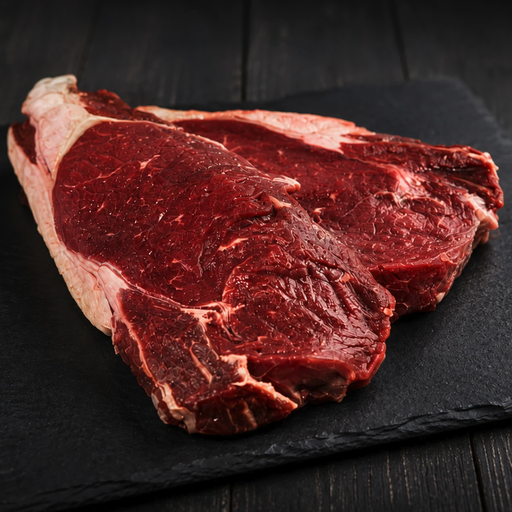
Why it suits this profile: The pack contains four 250 g portions. This makes planning and dividing the meat easy for families or several meals.
The fixed format prevents you from buying one large, unportioned piece. The product information states 100% beef and quick-frozen storage.
Four 250 g portions; 20.1 g of protein per 100 g; suitable for a range of beef dishes.
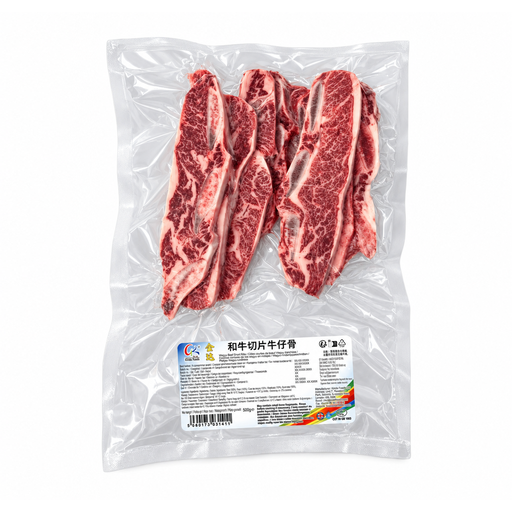
Why it suits this profile: The thick short ribs are intended for barbecuing, grilling, pan-frying or finishing in the oven.
The product name and description make it clear that these are bone-in short ribs. This allows you to match the cooking method more accurately than with an unspecified steak.
500 g pack; 100% British Wagyu according to the product description; suitable for barbecuing and oven cooking.
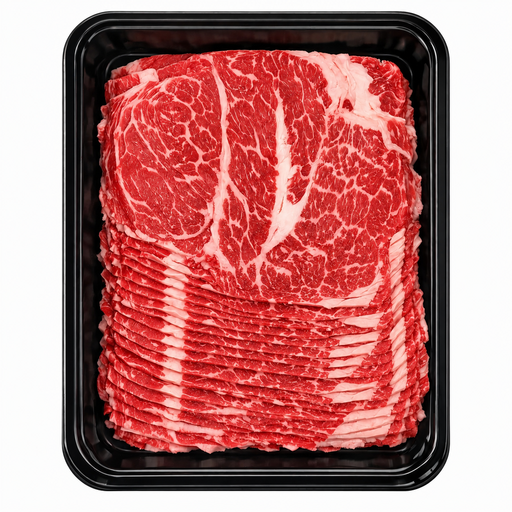
Why it suits this profile: The 1 mm slices are designed for hotpot, Asian broth dishes and quick cooking in a wok.
The thickness is clearly stated. This means you won’t need to slice a thick steak yourself or use an unsuitable cut for hotpot.
Sliced to 1 mm thick; 500 g contents; according to the product information, 21.3 g of protein per 100 g.
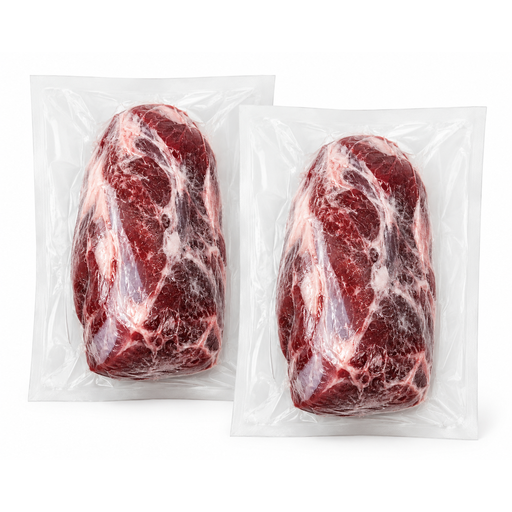
Why it suits this profile: Two 1 kg packs are convenient for large households, meal prepping, catering and stews.
The term “boneless” makes it clear that you don’t need to factor in any bone. This cut is intended for slow cooking, not quick frying.
2 x 1 kg; 100% beef; according to the product information, 22.6 g of protein and 3 g of fat per 100 g.
We’ve put together a complete, up-to-date list of products that fully meet these strict selection criteria and the applicable European safety regulations.
Store frozen beef at the temperature stated on the packaging. Place the meat in the fridge well in advance so that it defrosts evenly. Pat the surface dry before frying a steak; this helps reduce excess moisture in the pan.
A hot pan or grill is suitable for steak, ribeye steak, entrecôte and bavette. Let the meat rest after cooking and slice bavette across the grain. For beef shank and other braising cuts, a longer cooking time at a low temperature works better. Thin hotpot slices only need a short time in the hot stock; make sure the meat is fully cooked according to the instructions on the packaging.
When handling raw meat, pay attention to hygiene: use separate chopping boards and utensils, wash your hands after contact and follow the cooking instructions. If in doubt, always check the label, as the packaging contains the most up-to-date information on storage life and use.
It can be, but the cut determines the result. According to the product descriptions, Beef Rib Fingers and short ribs are suitable for barbecuing or slow cooking. Defrost them in the fridge first, then cook them according to the instructions on the packaging.
Choose thinly sliced meat, such as Hot Pot Angus Beef Slices at 1 mm or Thinly Sliced Rib Eye Beef at 1.2 mm. These slices cook quickly in hot stock. Check the contents and the number of grams per pack when ordering for several people.
This varies by product. Some items state 24 hours, while others allow chilled storage for up to 48 hours after defrosting. Always follow the packaging instructions and do not refreeze defrosted beef when this is not permitted.
