
Vandaag of morgen in huis

Kwaliteit gegarandeerd

Welkomstaanbiedingen ontgrendelen: GRATIS bezorging | Tot 80% korting | Gratis 30 dagen JoyPlus-proefperiode
Download de app
Ordering steak online is practical when you want to plan a quick meal, BBQ or dinner party. However, a description such as “premium meat” does not automatically tell you enough about the cut, portion size or cooking method. A tender steak can disappoint in the pan if the piece is too thin, is defrosted incorrectly or does not suit your cooking plans.
With this buying guide, you can compare beef using clear, verifiable criteria. You’ll learn what to look for when buying beef steak online, which portion sizes are convenient and which products are suitable for a weekday meal, a BBQ or more intensive use.
Marketing terms do not always tell you which qualities you are actually getting. So look at the cut, weight, fat content, ingredients and provenance. Ribeye generally contains more visible and intramuscular fat than a lean rump steak. This affects the flavour, cooking method and nutritional value.
A 400-gram pack may contain 2 steaks of 200 grams. That is easy to plan for two people, but it is not the same as one thick 400-gram steak. Also check whether the weight is given per piece or per pack. Equal portions are often more convenient for a dinner party, while larger packs are better suited to a BBQ or professional kitchen.
The cold chain is important for frozen steak. Products that, according to the product information, must be stored frozen should remain frozen until use and then be defrosted in the fridge. Do not refreeze after defrosting. Other products are delivered chilled and may, depending on the label, be frozen on the day of purchase. Always check the instructions on the packaging; they take precedence.
The cut largely determines how you should cook the meat:
A 200-gram steak is a manageable portion for one meal. Products weighing 150 grams, such as tournedos, are suitable for a lighter main course with side dishes. For bigger appetites, a BBQ or catering use, packs from 500 grams to 1 kilogram are more efficient.
Thickness is at least as important as weight. A thick steak develops a brown crust more quickly in a hot pan without cooking through immediately. Thin pieces are more prone to drying out. Adjust the cooking time according to the thickness and, if in doubt, use a meat thermometer.
Check whether the product consists of 100% beef and whether it contains marinades, additives or sauces. The selected products state 100% beef or 100% beef in their product information. However, the nutritional values do vary:
These figures depend on the product and portion. They make comparison possible, but do not constitute personalised nutritional advice. For allergen information, shelf life and cooking instructions, always check the current label.
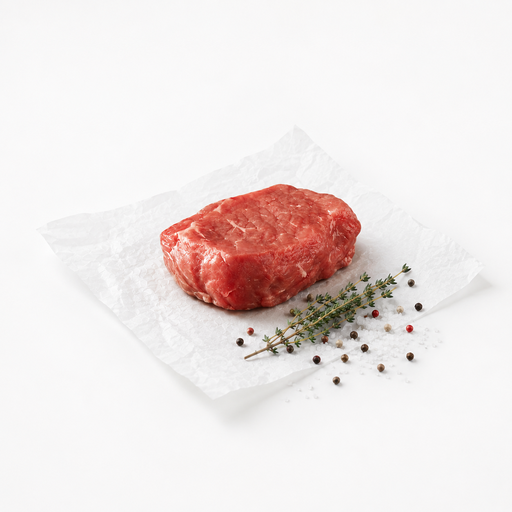
Why it suits this profile: A single 200-gram portion is easy to plan for a weekday meal. The steak can be cooked in the pan, on the grill or cut into strips for a stir-fry.
The weight per piece is clearly stated. The product also specifies 100% beef and provides freezing instructions.
200 grams per pack, 1.8 grams of fat and 22.9 grams of protein per 100 grams according to the product information.
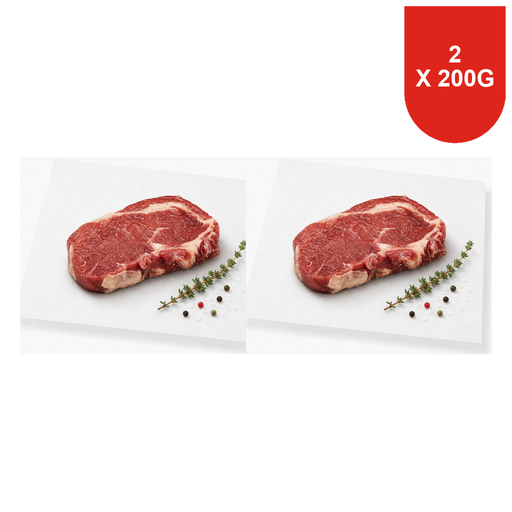
Why it suits this profile: The two 200-gram portions are ideal for a dinner party or an evening when steak is the centrepiece. The product information mentions marbling and cooking in the pan or on the grill.
The cut, net quantity and cooking methods are described clearly. This means you can compare based on specific qualities rather than relying solely on the term “premium”.
100% beef, 0 grams of carbohydrates according to the product information, and two separate 200-gram portions.
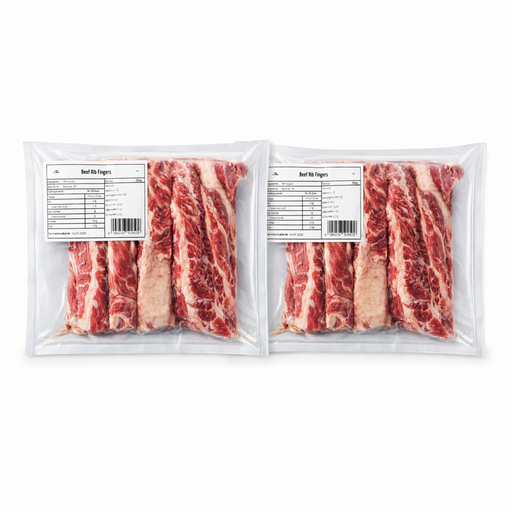
Why it suits this profile: The 2-kilogram pack is aimed at larger groups, BBQ planning or professional kitchens. The product description mentions BBQ cooking and slow cooking.
The total quantity is clearly stated. You can therefore consciously choose a large pack rather than overestimating how many smaller portions you need.
Two packs of 1 kilogram, 100% beef and suitable for BBQ cooking or slow cooking according to the product information.
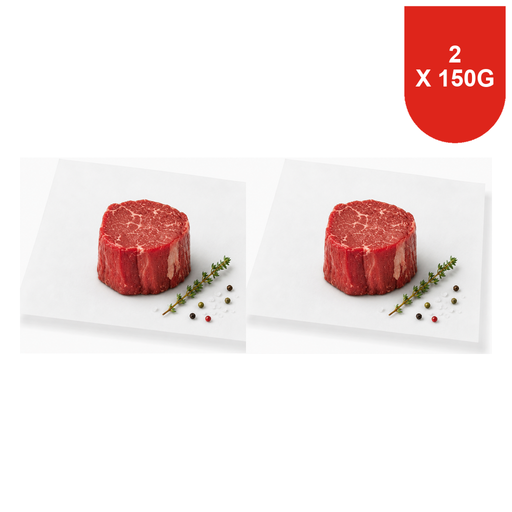
Why it suits this profile: Two 150-gram portions are suitable for an elegant dinner with vegetables, potatoes or salad. The beef tenderloin tournedos can be cooked in the pan, on the grill or briefly in the oven.
The exact cut and portion size are specified. This means you know in advance that you are buying a lean tournedos rather than a ribeye with more fat.
150 grams per piece, 2.3 grams of fat and 23.7 grams of protein per 100 grams according to the product information.
Defrost a frozen steak fully in the fridge and pat the meat dry before frying. Following the product instructions, remove it from the packaging approximately 20 to 30 minutes before cooking. Heat the pan or BBQ thoroughly so that the meat sears instead of releasing moisture.
The cooking times given are guidelines. Thickness, starting temperature and preferred doneness all make a difference. Allow the steak to rest for a few minutes after cooking. For food safety, follow the product’s temperature instructions and preferably check with a meat thermometer.
We’ve put together a complete, up-to-date list of products that fully meet these strict selection criteria and the applicable European safety regulations.
No. The storage method varies by product. According to the product information, some steaks are stored and transported frozen; others are listed as chilled and may be frozen on the day of purchase. Check the storage temperature before buying and follow the label after delivery.
A portion of 150 to 200 grams often works well for a main course, depending on the side dishes and appetite. For a BBQ, you can combine several smaller cuts. For a 400-gram pack, always check whether this means, for example, 2 x 200 grams.
Ribeye, rump steak, tournedos and beef tenderloin skewers can be cooked on the grill according to the product information. Rib fingers and short ribs are better suited to BBQ methods where the meat is cooked more slowly and for longer. Choose the cut based on the cooking time available, not just its name.
