
Vandaag of morgen in huis

Kwaliteit gegarandeerd

Welkomstaanbiedingen ontgrendelen: GRATIS bezorging | Tot 80% korting | Gratis 30 dagen JoyPlus-proefperiode
Download de app
Buying beef online is convenient when you are specifically looking for a ribeye for the barbecue, tournedos for a dinner party or sliced beef for hotpot. However, a product name alone does not tell you enough. The cut, thickness, quantity, nutritional information and storage method determine whether the meat suits your dish and cooking routine.
For Dutch households, frozen beef is often a practical choice. You can store larger packs and avoid making a special trip to the butcher. However, check beforehand that your freezer space, cooking method and preferred portion size match the product.
Terms such as “premium beef” or “restaurant-style” reveal little about the cut itself. Ribeye, tournedos, flank steak and flat iron steak have different textures and require different cooking methods.
Pay attention to:
A thin slice for hotpot is not the same as a steak intended for leisurely pan-frying.
More intramuscular fat can contribute to a richer mouthfeel, but it is not automatically suitable for every meal. For example, according to the product information, ribeye contains 20 grams of fat per 100 grams. Tournedos contains 2.3 grams of fat per 100 grams according to the label.
If you mainly want to prepare a lean meal, it is better to check the nutritional values rather than relying solely on the term “premium”. If you are looking for a juicy steak for the grill or barbecue, marbling may be more important.
Many products sold online state that they are kept frozen from storage through to delivery. When your order arrives, check that the packaging is intact and that the product is still sufficiently frozen.
Also follow these basic guidelines:
The cut determines how best to use the meat:
Do not compare only the price per pack; also compare the price per 100 grams. A 150- or 200-gram pack is suitable for one meal, while 500 grams to 1 kilogram may be more convenient for families, meal prepping or entertaining.
Also consider your freezer space. Larger packs are practical, but less convenient if you only use beef occasionally. Individually frozen slices or separate rolls are easier to take out portion by portion.
Check whether the label lists beef alone or whether marinades, herbs or other ingredients have been added. For the products mentioned below, the product information lists beef as the ingredient. Always check the packaging upon delivery, as this is the definitive source.
If you are planning high-protein meals, compare the protein content per 100 grams. The stated values range, for example, from 16.9 grams of protein for Beef Flank - 1 kg to 23.7 grams for Tenderloin Tournedos 150g. This is nutritional information, not medical advice.
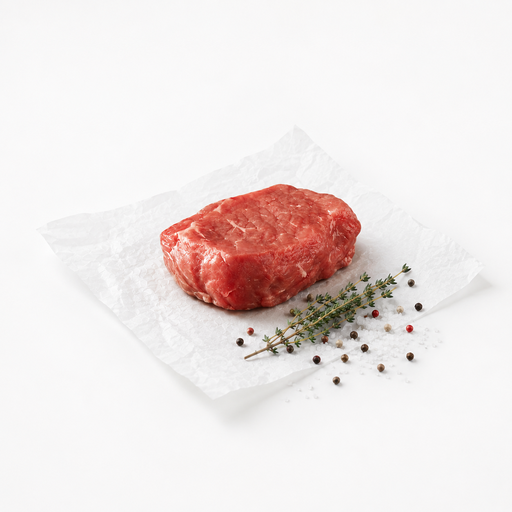
Why it’s a good fit: A compact portion for anyone who wants an easy introduction to grilling, pan-frying or stir-frying at home.
The cut, 200-gram portion size and cooking instructions are clearly stated, so you do not have to rely on a vague product name.
According to the product information, it contains 22.9 grams of protein and 1.8 grams of fat per 100 grams.
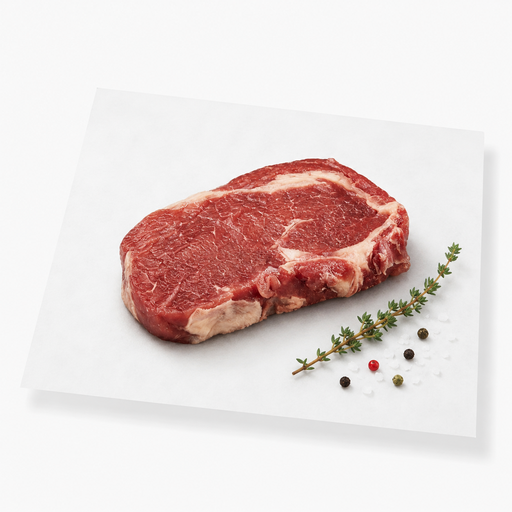
Why it’s a good fit: Ideal for steak lovers looking for a well-marbled cut for the pan, grill or barbecue.
The fat content is stated clearly: 20 grams per 100 grams. This lets you make an informed choice instead of treating marbling as an all-purpose advantage.
The product information lists 21.2 grams of protein per 100 grams and recommends cooking over high heat.
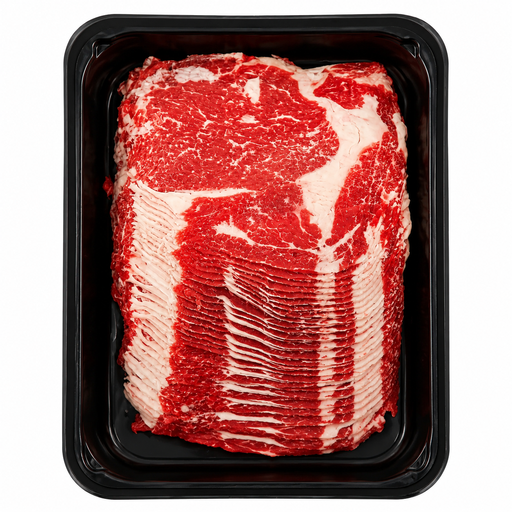
Why it’s a good fit: The 1.2-millimetre slice thickness is designed for hotpot, noodle soup and quick stir-fries.
The thickness and intended use are specified clearly. You will not end up buying a thick steak when you need sliced beef.
According to the product information, the 500-gram pack contains 21.2 grams of protein and 0 grams of carbohydrates per 100 grams.
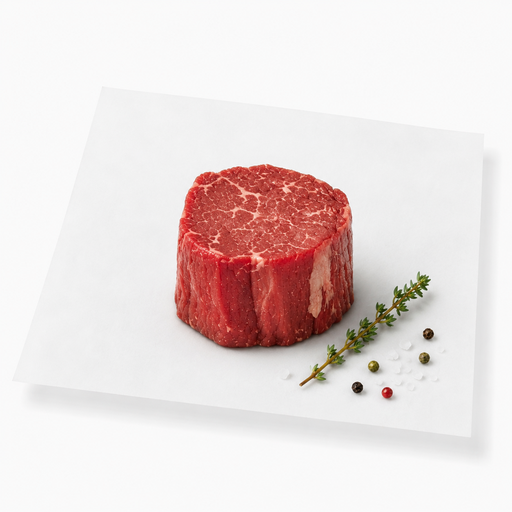
Why it’s a good fit: A small tenderloin portion for anyone who wants to prepare a tender steak with little fat, based on the stated nutritional values.
The product page lists the ingredients, portion size and nutritional values, allowing you to base your choice on verifiable information.
According to the product information: 23.7 grams of protein and 2.3 grams of fat per 100 grams, with a net weight of 150 grams.
Browse a current selection of beef products and compare the cut, packaging, nutritional values and cooking method before placing your order.
Following the product instructions, take a steak out of the refrigerator approximately 20 to 30 minutes before cooking and pat it dry. A heavy-based or cast-iron pan helps create a crust quickly. The stated cooking time of 2 to 4 minutes per side is only a guideline; the thickness of the meat and your preferred doneness will affect the result.
When in doubt, use a food thermometer. The product information for several steaks lists 63 °C for medium-rare and 71 °C for medium. For sliced beef, Freshasia states that the meat must be heated thoroughly and reach a core temperature above 70 °C. Always follow the latest instructions on the packaging.
For halal beef, check that the packaging and product page clearly state the halal status and certification. Kinda Hotpot Beef Rolls includes “Halal” in the product name and lists 100% beef. Check the current product information before ordering.
Yes, especially if you buy larger quantities or do not want to visit the shop every week. You will need sufficient freezer space and should allow the meat to thaw in the refrigerator in good time. According to the product information, it must not be refrozen after thawing.
That depends on the dish and the side dishes. A 150- to 200-gram steak pack is a clearly defined portion for one person. For hotpot or stir-fries, you can combine several smaller portions. For larger packs of 500 grams to 1 kilogram, consider the number of diners and the meals you are planning.
Ribeye is known for its pronounced marbling and is often cooked briefly over high heat. Tournedos comes from the tenderloin and, according to the product description, is a lean, compact cut. According to the product information, flat iron steak comes from the chuck and is suitable for pan-frying, grilling and slow cooking. The right choice therefore depends on your recipe, preferred fat content and available cooking time.
