
Vandaag of morgen in huis

Kwaliteit gegarandeerd

Welkomstaanbiedingen ontgrendelen: GRATIS bezorging | Tot 80% korting | Gratis 30 dagen JoyPlus-proefperiode
Download de app
When the weather gets warmer, or you're simply craving a light, refreshing meal, cold noodles are the perfect solution. But the search for the right ingredients can often feel like navigating a maze. Packaging may promise authentic flavors, but the reality can sometimes be a mushy texture or a bland sauce. As a Joybuy Product Recommendation Officer, I'm here to help you make the right choices so you can enjoy a delicious cold noodle dish at home.
Before you fill your shopping cart, it's wise to be aware of a few common pitfalls:
To avoid these disappointments, pay attention to a few key specifications. This will help you when making cold noodles and ensure a better result.
The texture and flavor of your dish are largely determined by the noodle itself. Look for the following types:
A good cold noodle sauce balances various flavors. For Korean styles like bibim men, look for a base of gochujang (spicy chili paste), complemented by something sweet (sugar or syrup) and something sour (often apple cider vinegar). Chinese cold noodles often use a base of soy sauce, black vinegar, and chili oil.
Below is a selection of products tailored to different preferences and cooking styles.
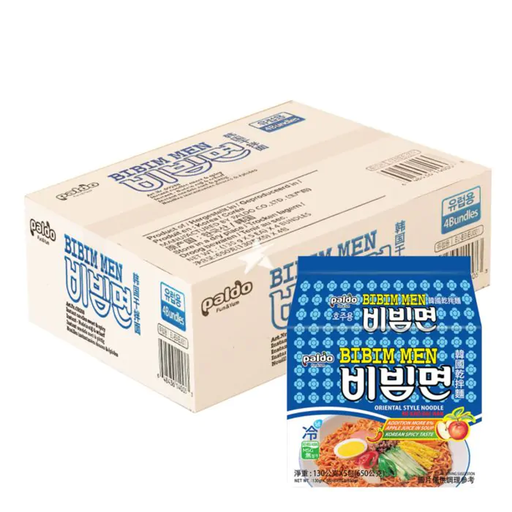
Why This Fits Their Persona: Ideal for those who want a quick, complete, and flavorful meal without much effort. This is a classic Korean bibim men known for its sweet and spicy sauce, perfect for a quick lunch at home or the office.
This is a complete kit where the noodles and sauce are perfectly matched, preventing the disappointment of a bland or poorly textured meal.
Quick to prepare (boil noodles, rinse, mix). The included sauce provides the signature sweet and spicy flavor of bibim men.
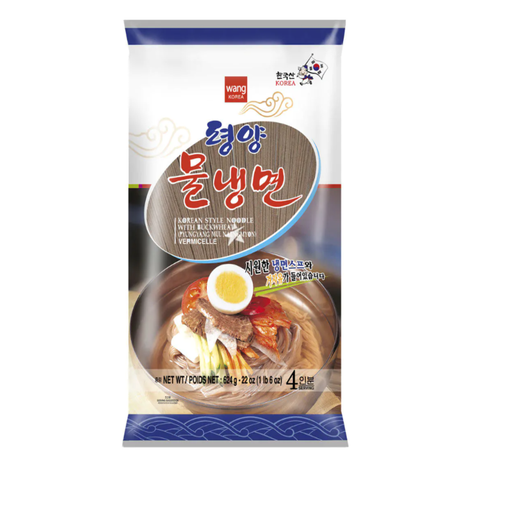
Why This Fits Their Persona: For those seeking the authentic experience of Korean cold noodles (naengmyeon). This kit contains the essential buckwheat noodles that form the basis of this traditional dish.
This product tackles the texture problem by providing the correct type of noodle. The chewy, elastic bite of buckwheat noodles cannot be replicated with regular wheat noodles.
Contains the specific buckwheat noodles for an authentic naengmyeon. Includes a base seasoning mix to get you started on the broth or sauce.
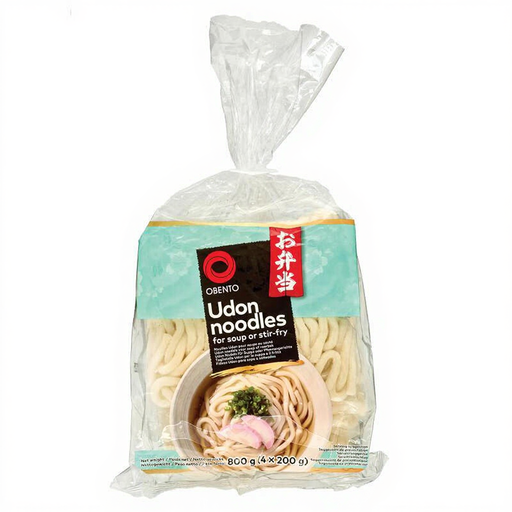
Why This Fits Their Persona: These thick, soft udon for salad are a versatile canvas for your own creations. Perfect for those who like to be in control and experiment with fresh vegetables, toppings, and a custom cold noodle sauce.
By opting for separate noodles, you bypass the pitfall of a disappointing ready-made sauce. You have complete control over the flavor and texture of your final dish.
Sturdy noodles that hold their shape and soft bite well in cold dishes. The large package is convenient for multiple meals or for the whole family.
We have compiled a complete, up-to-date list of products that meet these selection criteria and comply with current regulations.
The most crucial step is to rinse the noodles thoroughly under cold, running water immediately after cooking. This not only stops the cooking process but also washes away the excess starch that causes sticking. Tossing them with a little neutral oil (like sesame oil) can also help.
Not really. Noodles intended for hot soups, like some types of ramen, can become hard or mushy when cold. Varieties specifically designed for cold dishes, such as buckwheat noodles (soba/naengmyeon), somyeon, and thicker udon, maintain a better texture. Check the packaging for the manufacturer's recommendations.
Cold noodle dishes are best when freshly prepared and eaten immediately. If you have leftovers, store the noodles and sauce separately in airtight containers in the refrigerator. They will keep well for 1 to 2 days this way. Only mix them just before serving.
