
Vandaag of morgen in huis

Kwaliteit gegarandeerd

Welkomstaanbiedingen ontgrendelen: GRATIS bezorging | Tot 80% korting | Gratis 30 dagen JoyPlus-proefperiode
Download de app
Spicy instant noodles are ideal for a quick meal, a late-night study session or keeping in the cupboard. However, they can vary considerably in flavour, portion size, preparation method and heat level. Eye-catching packaging does not always tell you enough. If you only look for phrases such as “extra hot”, “authentic” or “full of flavour”, you could end up with a bowl that is too salty, not filling enough or unsuitable for your allergies and dietary preferences.
The Joybuy Product Recommendation Officer sets out the most important buying criteria. This makes it easier to compare spicy ramen, Korean ramen, Japanese ramen and Chinese noodles based on verifiable product information.
Terms such as “spicy noodles”, “hot” and “2x spicy” are not uniform European measurements. The actual experience depends on the chilli, chilli oil, pepper, spices and the amount of sauce or stock. For example, Samyang 2x Spicy Hot Chicken Flavor Ramen is described in the product information as having intense heat and capsaicin. That makes it a different choice from a mild instant noodle soup with a spicy stock.
An instant noodle multipack can be convenient, but pay attention to the weight per portion and the best-before date. A box of 20 packs is practical for a household or well-stocked cupboard, while a five-pack may be more suitable if you want to alternate between different flavours. So compare the price per portion, not just the price per box.
Beef-flavoured noodles may contain spices, flavourings, soy sauce or plant-based proteins without containing any beef. Hefu Noodle Spicy Beef Noodles, however, specifically lists braised beef in its ingredient information. Other products use a beef-flavour seasoning. Always check the ingredients list if the presence of meat is important to you.
First, consider the type of flavour you are looking for:
Also consider the preparation method. With dry noodles, you drain the cooking water and mix in the sauce. With instant noodle soup, the seasoning remains in the water. As a result, the same quantity of noodles can taste and feel much more filling in very different ways.
A portion of 70 to 100 grams is often suitable as a snack or light meal. Varieties weighing 120 grams or more, as well as bowls weighing 225 to 240 grams, may be a better choice when you want a more substantial meal. Check the nutritional values per 100 grams and per pack, as these two figures are often confused.
For stocking up, boxes such as Nongshim Shin Ramyun Tomyum 123 g x 20 or Nongshim Shin Ramyun Spicy Chicken 120 g x 20 are practical. If you are trying Asian instant noodles for the first time, a five-pack may be easier to manage.
Many instant noodles contain wheat or gluten. Soy, sesame, fish, egg, milk, peanuts and celery are also found in various products. If you have an allergy, always read the label on the packaging; online product information can change.
Also pay attention to the salt content. In the nutritional information provided, the values per 100 grams range from 2.9 grams for Nongshim Shin Ramyun Kimchi Stir-Fry to 6.4 grams for some Lamianfan varieties. This is worth considering if you are buying several portions to keep in stock.
Preparation usually takes 3 to 5 minutes. Bowl varieties, such as Obento Spicy Sesame Ramen Noodle Bowl, are convenient at work or when you are on the go. Products in packets are often more suitable when you are using a pan and want to add your own toppings.
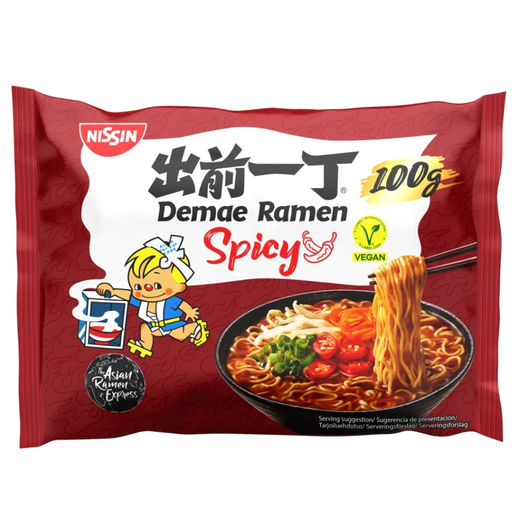
Why it suits this profile: A single 100-gram portion is an easy choice for anyone who wants to try spicy ramen without immediately buying a large supply.
The product information states a clear portion size and a preparation time of just a few minutes, and lists allergens such as wheat and soy.
Japanese ramen, 100 g per pack, a savoury spicy stock and a preparation time of just a few minutes.
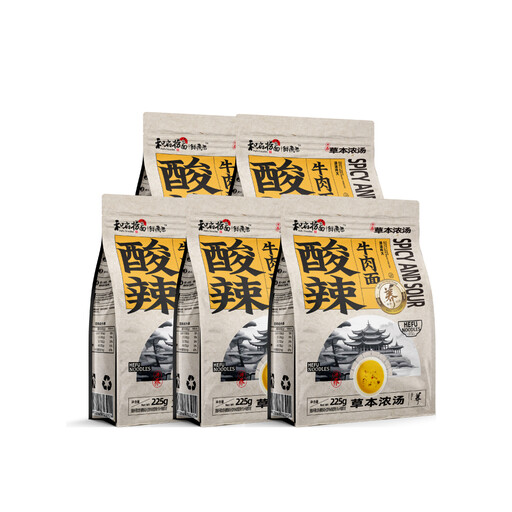
Why it suits this profile: This larger meal set is aimed at Chinese noodle enthusiasts looking for several flavour components and a generous portion.
The contents are specified as 225 g × 5 and include separate portions of noodles, soup, beef and pickled vegetables.
Five generous portions, semi-dried noodles, braised beef and a preparation time of around 3 to 4 minutes.
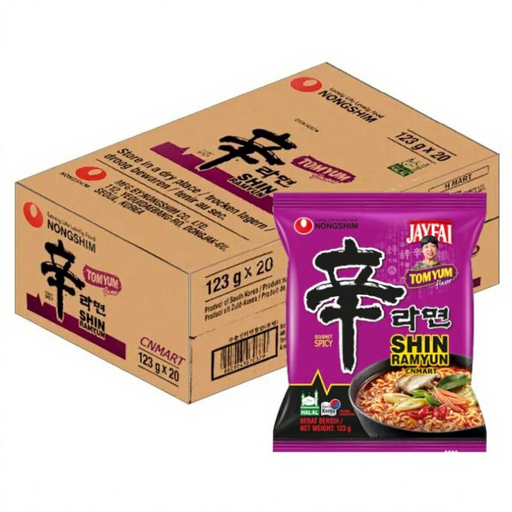
Why it suits this profile: A box containing 20 individual packs is ideal for households, shared student accommodation and frequent eaters who want to build up a reliable supply.
The multipack contains 20 individually wrapped 123 g portions, making the amount per meal clear.
Korean ramen with tom yum flavour, firm wheat noodles, dried vegetables and a preparation time of around 4 to 5 minutes.
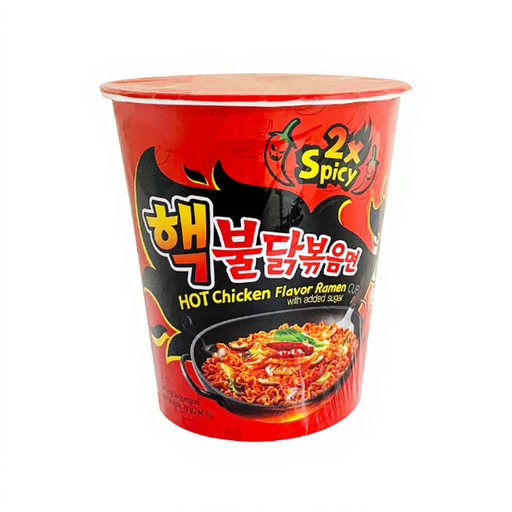
Why it suits this profile: The small portion with sauce and chilli oil is designed for consumers who deliberately choose an extremely hot experience.
The product description clearly warns of its extreme heat and states that the product is not suitable for children.
70 g per pack, chicken stock flavour, separate chilli oil and preparation in just a few minutes.
We have put together a complete, up-to-date list of products that fully meet these strict selection criteria and the applicable European safety regulations.
A quick meal does not have to consist of just noodles and seasoning powder. Try adding spring onions, pak choi, sweetcorn, mushrooms or a soft-boiled egg. With very spicy varieties, start by using only some of the sauce or chilli oil. For a dry preparation, mix the noodles with the sauce after draining; for a soup variety, add the seasoning to the cooking water as instructed on the packaging.
Store unopened packs in a cool, dry place, away from direct sunlight and moisture. Check the packaging, allergens and best-before date when buying and before preparation. Do not use a damaged pack.
The exact best-before date is shown on the individual pack or box. Store the noodles in a dry place at room temperature. Once opened, it is best to prepare the contents immediately.
That depends on the portion size and your own eating habits. A portion of 70 to 100 grams may be light, while bowls weighing 225 to 240 grams or varieties weighing 120 grams or more offer more volume. Vegetables, egg or tofu can add extra variety.
Korean ramen is often known for its bold chilli and garlic flavour. Japanese ramen and soba often have a lighter stock or a more pronounced soy sauce profile. Chinese noodles may contain sour and spicy stock, Sichuan pepper, chilli oil or pickled vegetables. Check the ingredients and preparation method for each product, as the flavour can also vary within the same country-of-origin category.
