
Vandaag of morgen in huis

Kwaliteit gegarandeerd

Welkomstaanbiedingen ontgrendelen: GRATIS bezorging | Tot 80% korting | Gratis 30 dagen JoyPlus-proefperiode
Download de app
A new baking tin or oven dish might seem like a straightforward purchase. Yet many disappointments only surface after a few uses. A cake sticks to the tin, a dish turns out not to be microwave-safe, or a roasting pan is too heavy to move around every day. That's why, when you're buying baking tins and oven dishes, it pays to look beyond colour, shape and an attractive offer.
A 30 cm cake tin sounds roomy, but it's the internal dimensions and height that determine how much batter it can hold. Handles or a lid can also mean an oven dish doesn't fit properly in your oven. So don't just measure the baking tin itself — also measure the available space between the oven walls and the heating element.
With a glass oven dish that has a lid, often only the dish itself is suitable for high temperatures. A plastic lid, on the other hand, may not be suitable for the oven, microwave or dishwasher. Always check the maximum temperature and permitted use for each individual part.
A baking tin with a non-stick coating can make it easier to release cake or bread, but the coating still requires careful use. Metal knives, scouring pads and harsh cleaning agents can damage the layer. Some tins must be washed by hand, even if other tins from the same product range are dishwasher-safe.
The material determines not only the appearance, but also the weight, heat distribution and maintenance.
Choose the capacity based on how many people you're cooking for and the recipes you usually make:
For a tart or quiche, the diameter is more important than the number of litres. A 28 cm quiche tin with a removable base is practical when you want to release the base cleanly. For bread and cake, it's the length, width and height that matter. A bread tin of around 30 cm gives a long, loaf-shaped result, while a round cake tin produces a different baking time and batter distribution.
Before you buy, make a quick checklist:
A product description can give different information for each part. With the 5five Keepeat rectangular glass dish, 29 x 18 cm, the dish itself is suitable for oven, microwave and dishwasher according to the product specifications. The plastic lid, however, must not be used in the oven, microwave or dishwasher. That distinction prevents incorrect use.
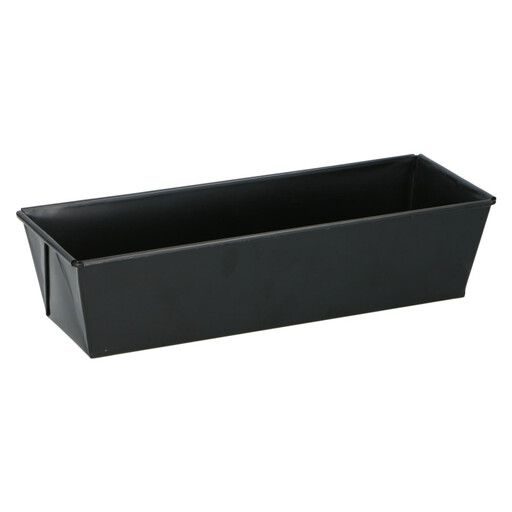
Why this fits the profile: This metal cake tin has a compact size and weighs around 0.29 kg, making it easy to handle for anyone starting out with cake or bread baking.
The dimensions and material are clearly stated. The non-stick coating can help with release, but hand washing and careful use are still advisable.
30 cm long, metal construction and a non-stick coating for cakes and bread.
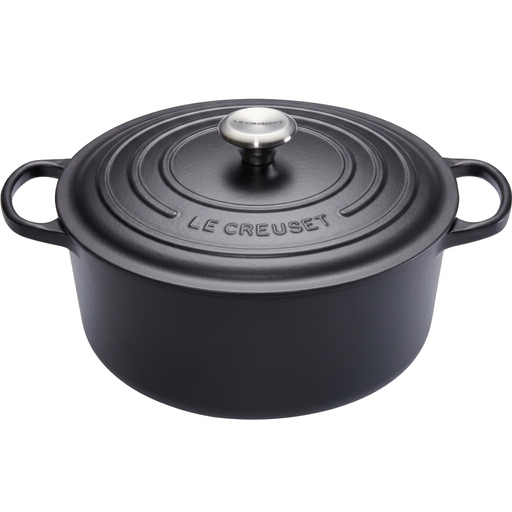
Why this fits the profile: The 5.3 litre capacity is suitable for larger family meals. The pan has a lid and, according to the product specifications, can be used on induction hobs, other heat sources and in the oven.
The capacity and applications are clearly stated. Do bear in mind the weight of around 5.1 kg and use soft utensils to protect the enamel.
5.3 litre capacity, lid, enamelled cast iron and suitable for induction hobs.
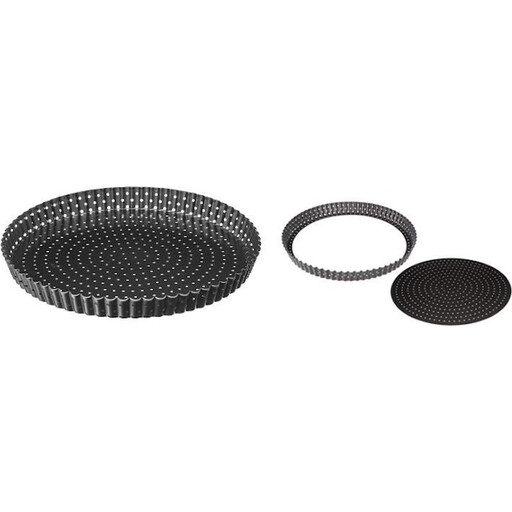
Why this fits the profile: The 28 cm quiche tin has a removable base and a perforated design. This suits home bakers who focus on making quiches and savoury tarts.
The removable base makes the purpose of the tin clear. It is not suitable for microwave or dishwasher, so hand washing is part of the routine.
28 cm diameter, perforated base and removable base for quiches and tarts.
We've put together a full, up-to-date list of products that fully meet these strict selection criteria and comply with current European safety regulations.
That depends on your routine. A glass oven dish is practical for oven-baked dishes, storing food and sometimes microwave use. A ceramic oven dish is suitable for serving at the table, while a cast iron casserole dish with a lid offers more possibilities on induction hobs and in the oven. Always check the product specifications for each part.
The lifespan depends on temperature, use and care. Don't use metal utensils, avoid abrasive products and follow the instructions for hand washing or dishwasher use. A damaged coating is a reason to replace the tin.
It can be, if the material and lid are specified for that purpose. With a glass dish that has a plastic lid, storing in the fridge or freezer is often possible, but the lid may have limitations for oven, microwave and dishwasher use. So always check the individual usage instructions.
