
当日/次日达

品质保障

开启新人专享福利: 全场免邮 | 低至 2 折 | 免费试用 30 天 JoyPlus 会员
下载 Joybuy
A good oven dish is an essential tool in any kitchen. Whether you're making a family-sized lasagna, baking an apple pie, or whipping up a quick casserole, the right dish makes all the difference. But the selection is vast, and marketing promises often sound better than reality. Many home cooks buy a dish that cracks, warps, or simply proves impractical after just a few uses.
As a Joybuy Product Recommendation Officer, I'm here to help you cut through the noise. We'll focus on what truly matters, so you can make a purchase you'll enjoy for years to come. First, let's discuss the most common pitfalls.
To avoid a purchase you'll regret, it's important to look at a few key specifications. These objective features determine the performance and durability of your oven dish.
The material of the dish directly affects how your food cooks. Each material has its own pros and cons.
Besides the material, a few practical features can significantly enhance ease of use.
Based on these objective criteria, we have selected a few products that suit different types of home cooks.
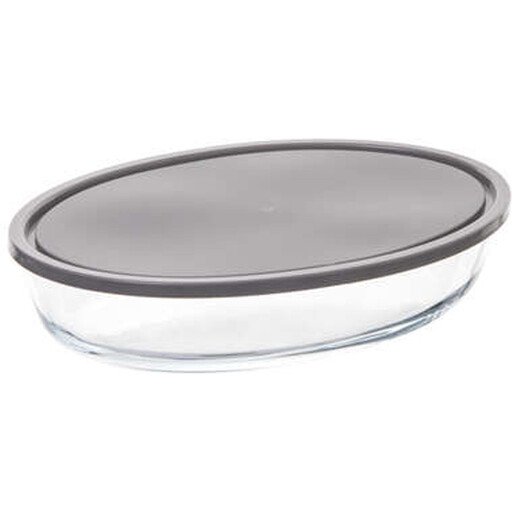
Why This Fits Their Persona: Ideal for those who regularly make family-sized casseroles. The 2.4-litre capacity is perfect for a standard lasagna or potato gratin. The glass construction makes it easy to monitor the cooking progress.
The product information is transparent: the borosilicate glass dish can handle oven temperatures up to 400°C, but the polypropylene lid is explicitly not suitable for the oven. This prevents the classic mistake of a melted lid.
The dish is suitable for the oven, microwave, and dishwasher. The included lid makes storing leftovers in the fridge or freezer very simple.
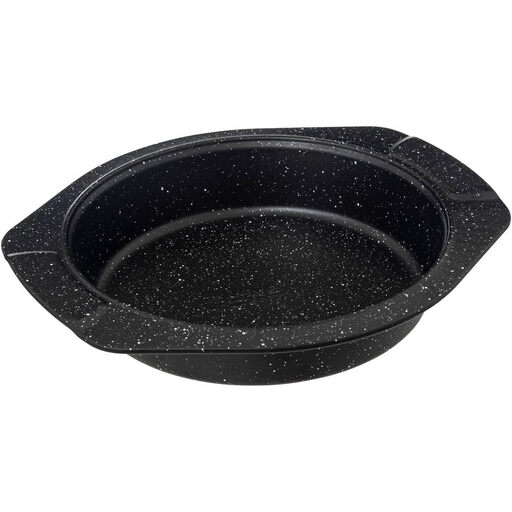
Why This Fits Their Persona: For those who love baking cakes, quiches, or tarts, a metal pan is often the best choice. Steel conducts heat quickly and efficiently, ensuring an even bake and a beautiful, brown crust.
This is not a vague 'all-in-one' tool, but a specialised baking tin. The steel material is designed to withstand high oven temperatures without warping, a common problem with cheaper, thinner metal pans.
The steel construction ensures quick and even heat distribution. The PTFE (non-stick) coating helps release the cake easily after baking.
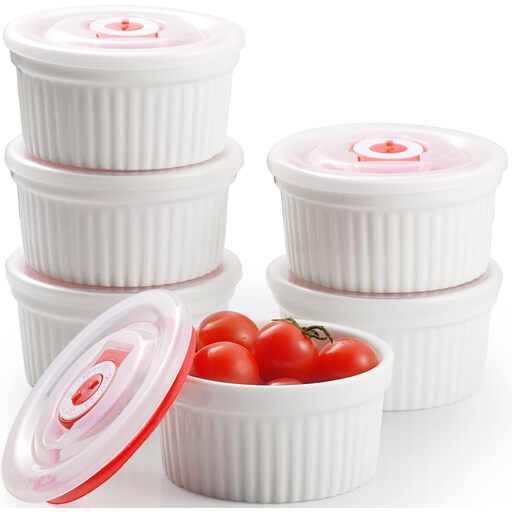
Why This Fits Their Persona: Perfect for making single-serving dishes like crème br?lée, soufflés, or small gratins. These ramekins are also ideal for serving dips, sauces, or side dishes.
Instead of using an oversized dish for a small meal (which leads to drying out), these ramekins provide the perfect portion size. The high-quality porcelain is durable and resistant to the high temperatures needed for tasks like caramelising sugar.
Highly versatile: the porcelain ramekins are oven, microwave, freezer, and dishwasher safe. The plastic lids with a date dial are a unique and practical addition for storing leftovers.
We have compiled a complete, up-to-date list of products that fully meet these strict selection criteria and local regulations.
Can any oven dish be used in an air fryer? No, not automatically. An air fryer is essentially a compact, powerful convection oven. The oven dish must not only fit in the basket but also be able to withstand the intense, circulating heat. Always check the manufacturer's specifications. Materials like borosilicate glass, oven-safe ceramic, and metal are generally suitable, provided the dimensions are correct.
How do I prevent my ceramic oven dish from cracking? The most common cause is thermal shock: a rapid and extreme change in temperature. Never place a cold dish (straight from the refrigerator) into a fully preheated oven. Let the dish come to room temperature first. Also, avoid placing a hot dish on a cold or wet surface, such as a stone countertop. It's best to choose a heavier, thicker ceramic dish of good quality.
What is the difference between an oven dish and a roasting pan? Although the terms are sometimes used interchangeably, there is a functional difference. An oven dish is typically deeper and made of glass or ceramic, ideal for layered dishes like lasagna or gratins. A roasting pan is often shallower, larger, and made of metal (like stainless steel or cast iron). It is specifically designed for roasting larger cuts of meat or poultry, often in combination with a rack to keep the meat off the bottom.
