
Vandaag of morgen in huis

Kwaliteit gegarandeerd

Welkomstaanbiedingen ontgrendelen: GRATIS bezorging | Tot 80% korting | Gratis 30 dagen JoyPlus-proefperiode
Download de app
A good-looking baking tin might seem easy to choose at first. But many disappointing purchases come down to an unclear non-stick coating, the wrong size or a tin that doesn’t suit your oven. If you regularly bake cakes, bread or tarts, you’ll soon notice the difference: the mixture sticks, the base cooks unevenly or cleaning takes longer than expected.
Use this practical buying guide to compare baking tins based on verifiable features. You’ll find a cake tin, springform tin, loaf tin or multi-purpose pan to suit your kitchen and baking routine.
The term non-stick baking tin describes how easy it is to use, but doesn’t automatically tell you what it’s made of, how long it will last or its maximum temperature. So check:
Hand-washing is recommended for many metal tins to help keep the coating intact for longer. Even a non-stick tin can benefit from a light coating of grease or a lining of baking paper, especially when making delicate cakes and cheesecakes.
A diameter of 24 cm versus 28 cm might not seem like a big difference, but the capacity changes too. A recipe for a small springform tin may produce a flatter result in a larger one. As well as the diameter, check the height and capacity.
A 30 x 11 x 7 cm loaf tin is suitable for loaf cakes and bread, while a round cake tin or springform tin is more convenient for quark cake, cheesecake and fruit tarts. Also check that the tin fits in your oven without blocking the hot air flow.
An oven dish isn’t automatically suitable for a hob, induction hob, microwave or open flame. Some carbon steel loaf tins are designed for oven use only. A silicone baking tin may be flexible and easy to release bakes from, but it often needs support when you’re moving it with liquid mixture inside.
Always check compatibility. Look out for details such as for oven use only, not suitable for induction or not suitable for microwave use.
Steel is sturdy and holds its shape well. It’s often used for cake tins, tart tins and springform tins. Aluminium is lightweight and conducts heat quickly, as with a pancake pan. Carbon steel combines relatively low weight with a sturdy construction, and is used for loaf tins and decorative baking tins.
Silicone is flexible and usually makes it easy to release bakes. However, check whether a metal frame is included if the tin is large or floppy. A sturdy rim makes filling and moving it safer.
Compare the size with the recipes you make most often:
Also check the height. A deep loaf tin helps prevent risen dough from spilling over the edge, while a shallow tart tin is suitable for quiche or traybakes.
A baking tin will generally last longer if you avoid scratches and sudden changes in temperature. Let metal tins cool before cleaning them, and use a soft sponge on coated surfaces. If it says “not dishwasher-safe”, wash it by hand.
Check the warranty information too. Several of the products mentioned come with a minimum two-year statutory warranty under EU consumer rules. This is separate from normal wear and tear or damage caused by incorrect use.
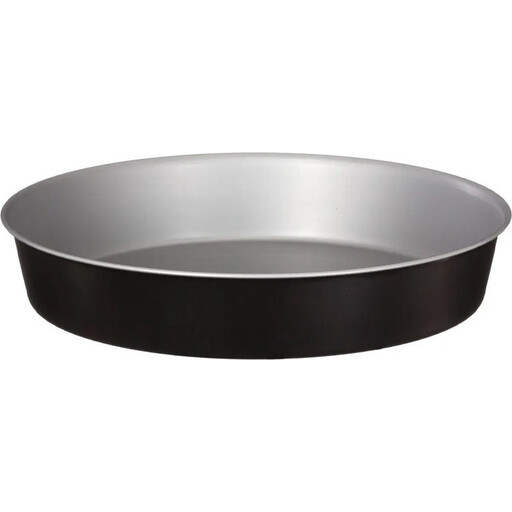
Why it suits this type of user: This 28 cm metal cake tin is a straightforward choice if you’re just getting started with standard cakes and simple bakes.
The size and material are clearly specified. Hand-washing is recommended, so you won’t mistakenly expect it to be dishwasher-safe.
28 cm diameter, metal construction and a stated non-stick coating for easier release.
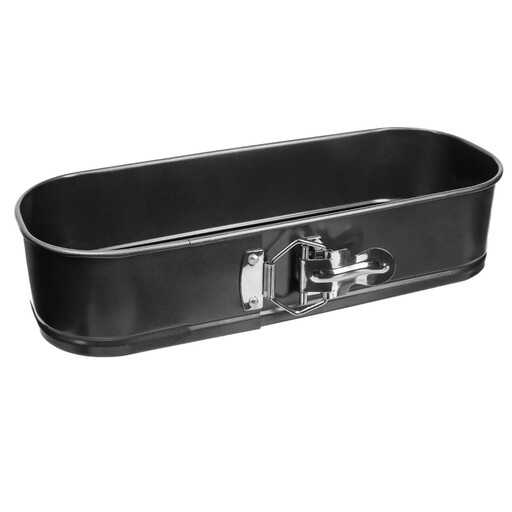
Why it suits this type of user: This larger springform tin is designed for cakes, quiches and cheesecakes where you want to remove the sides after baking.
The diameter, height, capacity and maximum oven temperature are specified. It isn’t dishwasher-safe, which is made clear in advance.
31 cm diameter, clip closure, steel body and PTFE coating according to the product information.
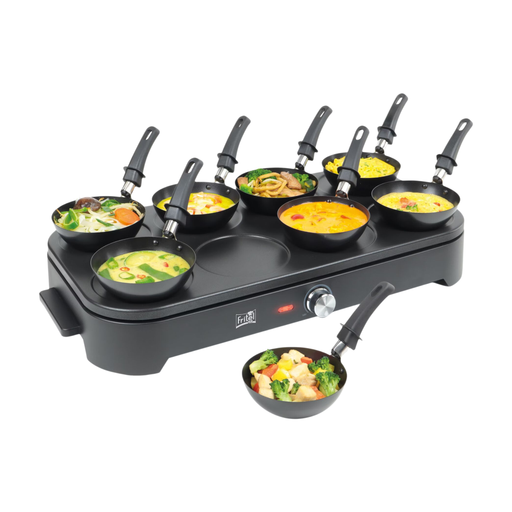
Why it suits this type of user: This electric appliance is designed for tabletop cooking for up to eight people, and combines pancakes, mini pizzas, eggs and wok dishes.
Its intended use is clearly described: 1500 W, variable temperature control, eight wok pans and eight spatulas. It isn’t an oven tin.
PFAS-free according to the product details, variable temperature control and suitable for one to eight people.
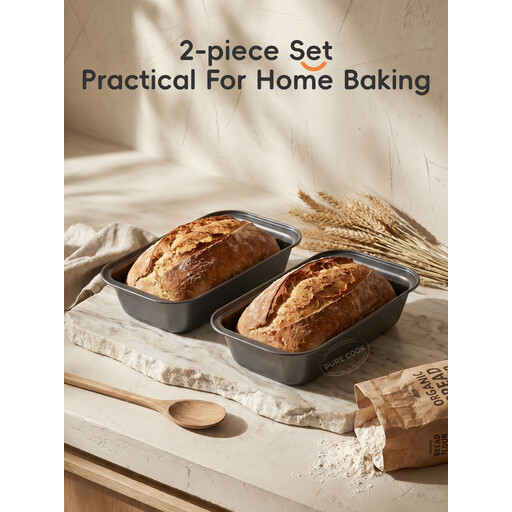
Why it suits this type of user: This set is designed for bread, toast, cakes and meatloaf, and is handy when you want to use several tins at once.
The product information clearly states that the tins are for oven use only and must not be used in a microwave, on a hob or over an open flame.
We’ve put together a complete, up-to-date list of products that meet these strict selection criteria and the applicable European safety regulations.
A simple metal cake tin or a 24 cm springform tin is often a practical choice. Choose a standard size, a clearly specified non-stick coating and one that’s easy to hand-wash. A set of baking tins could be useful if you make several types of bake, but check that all the sizes really suit your recipes.
Not necessarily. Check the maximum temperature and whether the silicone baking tin needs support. Only use it for the specified purpose. A product that’s suitable for the oven isn’t necessarily suitable for a hob or open flame.
Let the bake cool sufficiently first and follow the care instructions. Lightly grease the tin if recommended, and use baking paper for recipes with a lot of sugar or fat. Avoid metal utensils with a non-stick baking tin, as they could damage the coating.
