
Vandaag of morgen in huis

Kwaliteit gegarandeerd

Welkomstaanbiedingen ontgrendelen: GRATIS bezorging | Tot 80% korting | Gratis 30 dagen JoyPlus-proefperiode
Download de app
A good baking tin makes baking easier, but not every tin is right for every recipe. A small cake tin may not be practical for bread dough, while a deep ceramic baking dish is best suited to oven dishes and individual portions. If you focus only on colour, discounts or claims such as “non-stick”, you could run into practical problems later.
This guide will help you compare baking tins based on material, size, use and care.
A metal baking tin with a non-stick coating can make it easier to remove cakes or bread. However, metal utensils, scouring pads and high temperatures can damage the coating. Many models are best washed by hand, even when the product name emphasises convenience.
Use silicone or wooden utensils, let the tin cool down and always check the maximum oven temperature.
An oven-safe baking tin may be suitable for an oven, but not for a hob, gas flame or induction hob. This applies, for example, to carbon steel baking tins and many ceramic dishes. Moving a tin straight from the freezer into a hot oven can also cause thermal stress.
Ceramic retains heat well, but handle it with care. Don’t put a cold dish straight into a very hot oven unless the product information explicitly says you can.
A 25 cm tin and a 31 cm tin may not look very different, but their capacities can vary considerably. An overfilled tin may overflow; a tin that’s too large can result in a flat, dry cake.
Pay attention to:
Metal baking tins and baking trays heat up relatively quickly. They’re practical for cakes, bread and muffins. Clean a coated metal tin carefully to minimise scratches.
A silicone baking tin is flexible and takes up little storage space. For stability, a sturdy rim or metal frame is useful. Always check whether the tin is suitable for the oven, microwave and dishwasher; these features vary by model.
A ceramic baking tin or dish is suitable for oven dishes, desserts and serving at the table. Ceramic is heavier and more fragile than metal. Ramekins are handy for crème brûlée, soufflés, quiches and individual desserts.
Don’t just look for “oven-safe”; check the stated temperature limit. For example, the 5five springform tin has a maximum oven temperature of 280 °C. The PURECOOK carbon steel baking tins are described as suitable for ovens, but not for microwaves, hobs or open flames.
A lid isn’t automatically oven-safe. With the DAFUCERAMIC lidded ramekins, the ceramic dishes are oven-safe, while the plastic lids can withstand temperatures of up to 120 °C, according to the product information.
A dishwasher-safe tin can save time if you bake regularly. However, some manufacturers recommend hand-washing to keep the coating or surface in good condition for longer. According to the product description, PURECOOK carbon steel tins aren’t dishwasher-safe and should be cleaned with warm water and a soft sponge.
So before you buy, check:
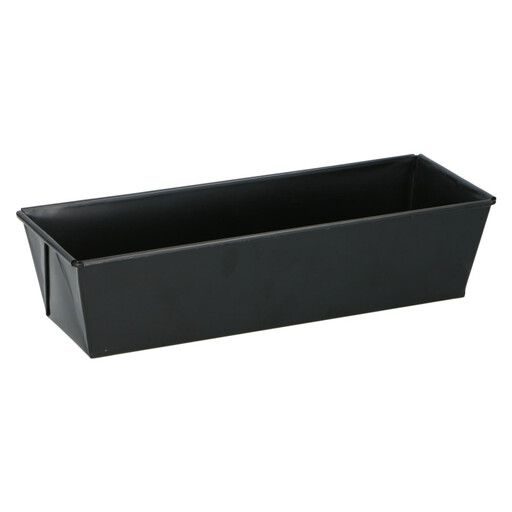
Why it suits this type of user: This metal cake tin is a practical size for cakes and bread-style bakes. According to the product description, its non-stick coating is designed to make it easier to release your bake.
The dimensions and metal construction are clearly stated, so you can check in advance whether the tin will fit in your oven and suit your recipes.
30 x 11 x 7.2 cm, metal construction, black non-stick coating, and suitable for cakes and other bakes.
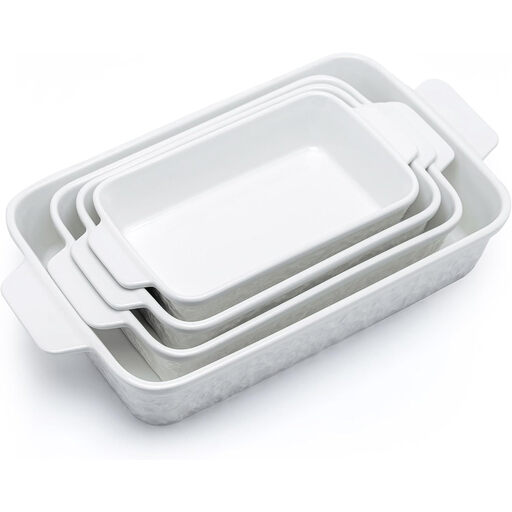
Why it suits this type of user: The set includes four sizes for individual portions, side dishes and larger oven dishes. According to the product description, the ceramic dishes can go from oven to table.
The capacities of all four dishes are specified, ranging from 0.78 to 3.4 quarts. This makes it easier to choose between a dish for individual portions and one for a family meal.
Four sizes, handles and a stackable design. The product information states that they’re suitable for the oven, microwave, freezer and dishwasher.
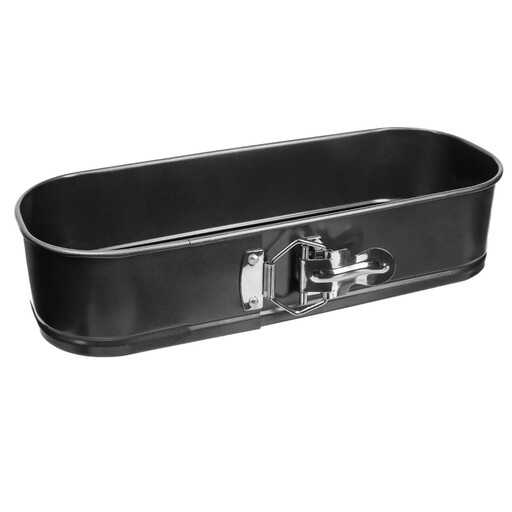
Why it suits this type of user: A springform tin is practical for cheesecakes, quiches and cakes that are difficult to turn out. The clasp helps you release your bake with greater control.
The diameter, 2-litre capacity and maximum oven temperature of 280 °C are stated. The tin isn’t dishwasher-safe, so hand-washing is part of its care.
31 cm diameter, clasp fastening, steel body, PTFE coating and a stated capacity of 2 litres.
We’ve put together a full, up-to-date range of products that meet these strict selection criteria and the applicable European safety regulations.
A metal cake tin, baking tray or muffin tin is usually practical for regular baking. Check the dimensions, coating and cleaning advice. If you make a range of dishes, a small baking tin set with a cake tin, loaf tin and baking dish may be more useful than one large tin.
Its lifespan depends on the material, how you use it and how you care for it. A coated metal baking tin will generally stay in good condition for longer if you avoid sharp utensils and follow the recommended temperature limit. Ceramic can last a long time, but is susceptible to knocks and sudden changes in temperature. Replace a tin if its coating starts to peel, it develops deep scratches or it becomes misshapen.
It depends on your recipe and preference. Silicone is flexible and easy to store, while metal conducts heat quickly and holds its shape. For more even support, place a silicone tin on a baking tray. Whichever material you choose, check its temperature limit and care instructions.
