
Vandaag of morgen in huis

Kwaliteit gegarandeerd

Welkomstaanbiedingen ontgrendelen: GRATIS bezorging | Tot 80% korting | Gratis 30 dagen JoyPlus-proefperiode
Download de app
Fancy some Asian instant noodles, but can't decide between Korean ramen, Chinese instant noodles or a spicy noodle soup? The range is vast, and product names don't always tell the full story. An attractive packet, for example, can hide a very different portion size, cooking method or allergen list.
Joybuy's Product Recommendation Officer selects products based on verifiable data such as weight, number of servings, ingredients, allergens, preparation time and nutritional information. This way, you're not just comparing flavour – you're comparing exactly what you're buying.
Terms like "hot", "fire chicken" and "spicy" aren't standard European measurements. The heat can also depend on how much sauce or chilli powder you use. With some varieties, you can hold back part of the sauce; with others, the flavour is entirely in the stock powder.
So pay attention to the product type:
Compare the number of servings and the weight per serving. A box of 20 sachets at 120g each is quite different from a multipack of five sachets at around 100g each. Also check whether the stated weight is the total weight or the weight per individual packet.
A multipack of instant noodles is especially practical for students, offices and households that want a quick meal on hand regularly. Just check the best-before date on the packet and store the noodles in a dry, cool place away from direct sunlight.
Don't just look at the flavour name. Check the product packaging and the ingredients list for things like beef, chicken flavouring, fish, shellfish, gelatine, milk or egg. A product with a Korean style or chicken-like flavour isn't automatically halal.
The product Bai Xiang Halal Spicy Beef Noodle Soup is described as halal-certified in the product information. This designation does not apply to other varieties in this article. For allergies or dietary requirements, the current packaging is the deciding factor, as product information and packaging can change.
A noodle soup like Shin Ramyun is prepared, according to the product information, with approximately 500 to 550 ml of boiling water and needs around 4 to 5 minutes of cooking time. With Buldak ramen, you cook the noodles first, drain most of the water, and then stir the sauce through.
Chinese wide noodles, such as A'Kuan, are often soaked in boiling water for 5 to 6 minutes. Luosifen, also known as snail noodles, usually needs a longer preparation time: the rice noodles need to cook for about 8 to 10 minutes. So choose a soup variety for easy one-pot cooking, or a sauce variety if you prefer a thicker, more intense flavour.
Check in particular for:
Nutritional values vary greatly per product. In the product information provided, for example, salt values range from approximately 2.6 to 7.4g per 100g, depending on the variety and calculation. Therefore, use the current packaging as your reference and don't automatically add the entire seasoning sachet.
For occasional use, packs of five or six are easy to manage. If you already know which flavour you like, you can choose 10 or 20 portions. A box of Nongshim Shin Ramyun of 20 x 120g or Nongshim Neoguri of 20 x 120g is designed for stocking up.
With cups and smaller packets, pay attention to the portion size. The Nongshim K-Pop Demon Hunters pack, for example, contains three cups weighing a total of 204g. That's mainly a way to try three flavours, not the same as a box with three full sachet meals.
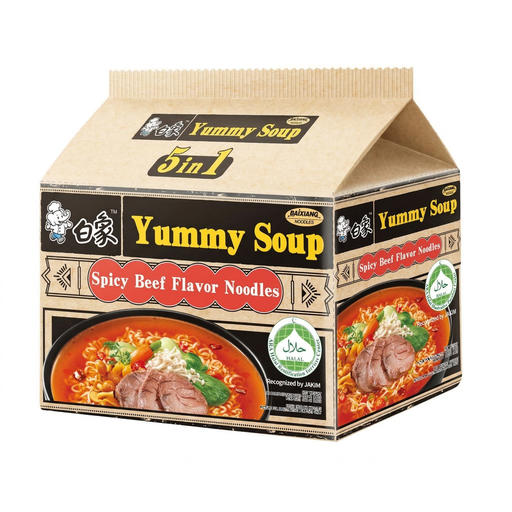
Why this fits the profile: A five-pack with individual portions for students, home or the office. The product information mentions halal certification.
The number of portions and total weight are clearly stated. Always check the current halal designation and allergens on the packaging.
Five individual sachets, preparation in 3 to 4 minutes and a product variant described as halal.
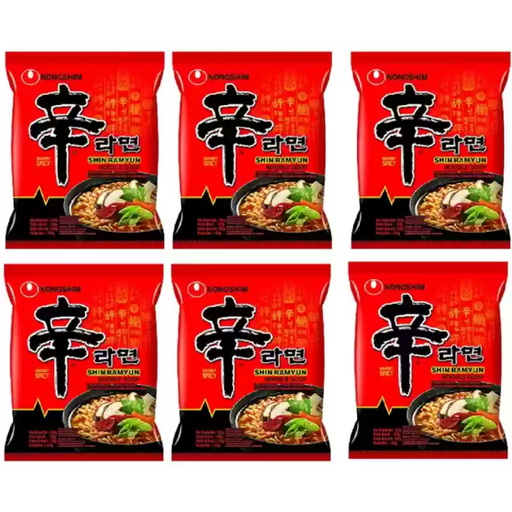
Why this fits the profile: For those looking for a well-known Korean ramen style with a hearty noodle and spicy broth.
The product information states a fixed portion size of 120g and a preparation time of approximately 4.5 minutes.
Six portions, Korean origin according to the product information and clear cooking instructions.

Why this fits the profile: For fans of Buldak ramen who want a sauce variety with a carbonara flavour and a large stock.
The packaging states 10 portions of 130g. The sauce is added after cooking, so you can control the amount more easily.
Thick noodles, 10 individual portions and stated presence of gluten, soya and milk for a targeted ingredient check.
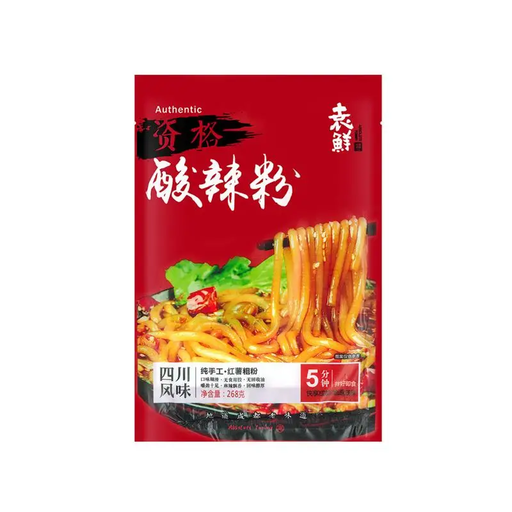
Why this fits the profile: For those who want hot and sour noodles with separate flavour sachets, sweet potato noodles and adjustable spice levels.
The vinegar, chilli oil and vegetables are packed separately. This means you can partially adjust the intensity.
268g per pack, chewy sweet potato noodles and allergen information for peanuts and sesame.
We've put together a full, up-to-date list of products that fully meet these strict selection criteria and current European safety regulations.
Use a heatproof bowl and pour boiling water over the noodles. Cover the bowl and wait according to the packet instructions, usually 3 to 6 minutes. For dry stir-fry noodles, drain the water afterwards before adding the sauce. Always use boiling water and follow the specific instructions on the label.
Unopened instant noodles can be stored until the best-before date on the packet, provided they are kept dry and cool. Store opened sachets tightly sealed. Prepared noodle soup, Buldak ramen and Chinese noodles should be eaten immediately after cooking; don't keep leftovers at room temperature unnecessarily.
That depends on your overall diet and the variety you choose. Pay particular attention to the salt content and portion size. You can supplement a noodle soup with egg, tofu, vegetables or other ingredients, but add extra seasonings gradually. For allergies and dietary requirements, always check the current ingredients list and allergen declaration.
