
Vandaag of morgen in huis

Kwaliteit gegarandeerd

Welkomstaanbiedingen ontgrendelen: GRATIS bezorging | Tot 80% korting | Gratis 30 dagen JoyPlus-proefperiode
Download de app
A shiny complexion, impurities, and pimples can be incredibly frustrating. A good anti-blemish mask can become a staple in your routine to purify and soothe your skin. However, the market is flooded with products promising miracles. Many of these promises lead to disappointment and sometimes even worsen your skin concerns. Let's explore the most common pitfalls so you can make an informed choice.
Pitfall 1: The Promise of "Instantly Clear Skin" Many masks, especially those with harsh clays, leave your skin feeling tight and dry immediately after use. This is often mistaken for a "deep cleanse." In reality, this can strip your skin's barrier, causing it to produce even more sebum in response. The long-term result? More shine and impurities.
Pitfall 2: The "One-Size-Fits-All" Purifying Mask Not all blemish-prone skin is the same. Someone with oily skin and clogged pores needs a different type of mask than someone with red, inflamed pimples on sensitive skin. A powerful clay mask for acne can work wonders for one person but be a disaster for another. Choosing the wrong type of mask for your specific concern is a common mistake.
To avoid these pitfalls, it's helpful to look at a product's objective properties. Focus on the ingredients and the type of mask, not just the marketing claims.
The texture and base of a mask largely determine its effect.
An anti-blemish face mask is only as effective as its ingredients. Look for the following active compounds:
An effective purifying mask often combines a cleansing ingredient with a soothing or hydrating component to prevent the skin from drying out.
Below are some popular choices, matched to specific user profiles. These are not the "best" products, but rather options with specifications that align well with a particular need.
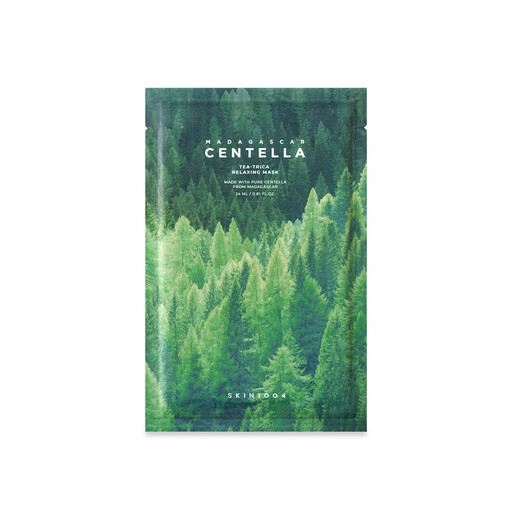
Why This Fits Their Persona: This sheet mask is an accessible option for those dealing with redness and irritation alongside blemishes. It focuses on calming rather than aggressive purifying, which is ideal for reactive skin.
It bypasses the pitfall of harsh ingredients. Instead of stripping the skin, it delivers soothing compounds (Centella Asiatica, Tea Tree) that help strengthen the skin barrier and reduce redness.
Focused on immediate relief from irritation. The formula is lightweight, hydrates without leaving a sticky residue, and helps regulate sebum production.
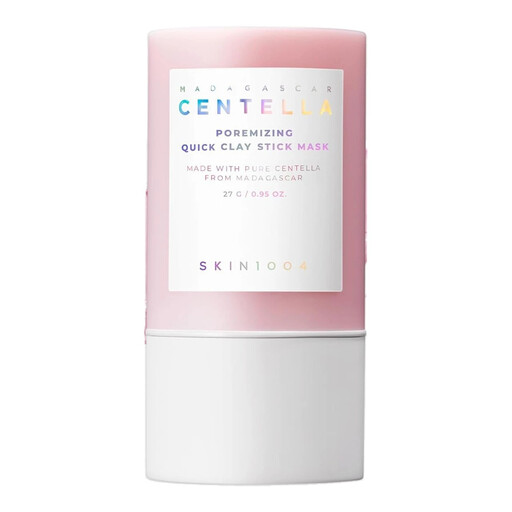
Why This Fits Their Persona: Ideal for those who want a targeted approach. The stick format makes it easy to apply the mask only to problem areas like the nose, chin, and forehead, without any mess.
This product tackles the "one-size-fits-all" pitfall. You don't have to cover your entire face with a strong clay mask if only your T-zone is oily. This prevents unnecessary drying of the cheeks.
According to the manufacturer, the formula contains five types of clay, including kaolin, for powerful sebum absorption. The stick is hygienic and easy to use.
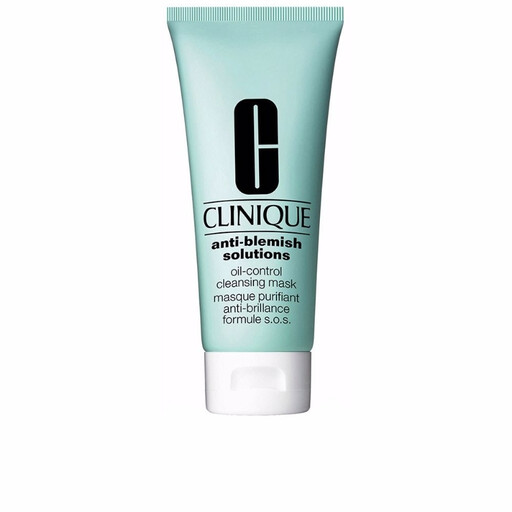
Why This Fits Their Persona: For those looking for a solid, multi-functional mask for their weekly routine. This product combines the purifying action of clay with the exfoliating properties of salicylic acid.
It balances its powerful cleansing action. Although it's an effective clay mask, the formula is oil-free, fragrance-free, and dermatologist-tested, which reduces the risk of irritation on acne-prone skin.
The combination of kaolin clay and salicylic acid tackles both excess sebum and helps keep pores clear. The formula is designed to keep the skin matte without drying it out.
We have compiled a complete, up-to-date list of products that meet these selection criteria and comply with current regulations.
Generally, it is recommended to use a purifying mask 1 to 2 times a week. More frequent use, especially with powerful clay masks, can irritate and dry out the skin. Always read the instructions on the packaging and pay close attention to how your skin reacts.
Sometimes, the skin may initially react with a so-called 'purging' phase, where impurities already under the surface come to the forefront. This is usually temporary. However, if your skin becomes persistently red, painful, or extremely dry, the mask is likely too harsh for your skin type. Discontinue use and consider a milder, more soothing alternative.
Yes, absolutely. After using a purifying mask, and especially after a clay mask, it is crucial to rehydrate the skin. This helps restore the skin barrier and prevents the skin from drying out and producing extra sebum in response. Choose a lightweight, non-comedogenic moisturiser that won't clog pores.
