
Vandaag of morgen in huis

Kwaliteit gegarandeerd

Welkomstaanbiedingen ontgrendelen: GRATIS bezorging | Tot 80% korting | Gratis 30 dagen JoyPlus-proefperiode
Download de app
Visible pores, a shiny T-zone and blackheads are all reasons to look for a clay mask for pores. Yet not every clay, mud or wash-off mask is the same. Some formulas focus mainly on oil absorption, while others combine clay with exfoliating ingredients or a hydrating base.
The packaging doesn’t always tell the full story. So keep an eye out for the following pitfalls before you add a product to your basket.
A mask that dries hard can temporarily leave your skin feeling tight. That doesn’t automatically mean your pores will stay smaller for long. Pore visibility is linked to factors such as sebum, skin texture and moisture balance. So don’t just rely on words like “deep cleansing” or “pore tightening” – take a look at the ingredients and the recommended wear time instead.
A clay mask for oily skin is typically used once or twice a week. Some product descriptions suggest two to three applications per week, but your skin may react differently. Redness, a burning sensation or flaking are signs that you should mask less often or stop altogether.
What’s more, oily skin doesn’t automatically need the most drying formula. If you have combination skin, you can apply the mask only to your nose, chin and forehead.
A face mask for blackheads may contain salicylic acid, gluconolactone or glycolic acid alongside clay. That can be relevant for pore cleansing, but using several exfoliating products on the same day can make your skin uncomfortable. Always check the ingredients list, especially if you have sensitive or blemish-prone skin.
Many formulas use kaolin, bentonite, illite or montmorillonite. These ingredients are common in mud masks or clay masks and can absorb excess oil from the skin’s surface. The exact effect and feel on the skin vary from one formula to another.
Also pay attention to the texture:
The recommended leave-on time for the products mentioned ranges from about three to fifteen minutes. Leaving it on longer isn’t automatically better. Follow the instructions on the packaging and rinse the mask off with lukewarm water.
Don’t apply the product around your eyes or lips. After rinsing, use a simple skincare routine that suits your skin type. That way, you’ll prevent an oil-controlling face mask from feeling unnecessarily tight.
Alongside clay, some masks contain ingredients such as salicylic acid, betaine salicylate, gluconolactone or fragrances. That doesn’t make a formula unsuitable by definition, but it is a reason to examine the ingredients list carefully.
If you have sensitive skin, a patch test is wise. Stop using the product if you experience redness, itching, swelling or a burning sensation. A mask is a cosmetic product, not a treatment for a skin condition. If you have persistent or serious skin problems, seek advice from a doctor or pharmacist.

Why it fits this profile: A single-use format is practical when you want to experience how a Korean face mask feels on your skin first. According to the product description, this mask is designed for pore cleansing and a smoother-looking complexion.
You don’t buy a large pot before you’ve assessed the texture, scent and how it feels on your skin.
Compact 23 ml format; targets pores and a balanced skin feel according to the product information.
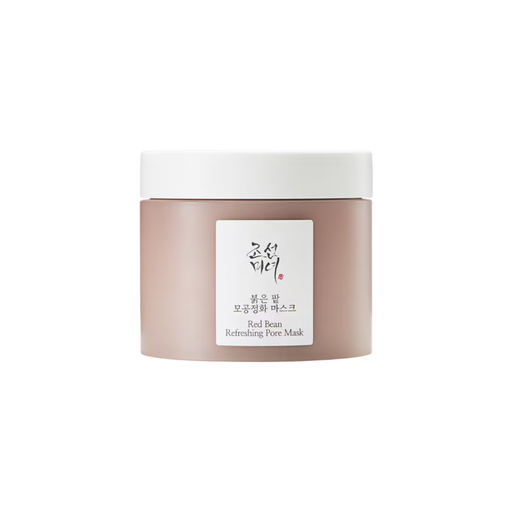
Why it fits this profile: This formula combines kaolin with red bean powder and extract. According to the product description, it is designed to remove sebum and dead skin cells, leaving the skin feeling smoother.
The combination of clay and powder is clearly stated, so you don’t have to rely on a general pore claim alone.
140 ml in a tube; kaolin and red bean ingredients; recommended leave-on time of 5–10 minutes.
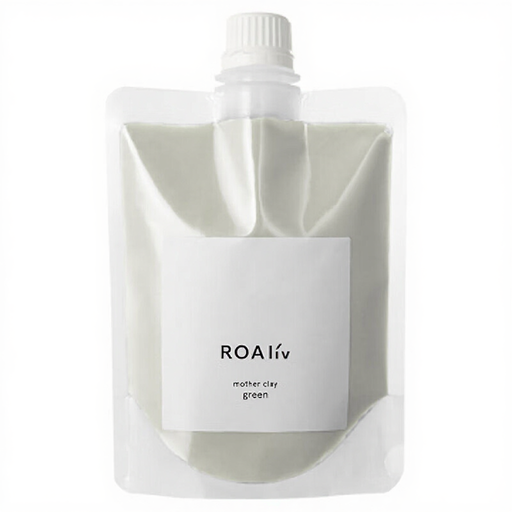
Why it fits this profile: The large pack suits anyone who regularly uses a clay mask on their face, neck or décolletage. The product information lists kaolin, bentonite, illite and sea silt as part of the formula.
The usage instructions mention around five minutes and two to three applications per week, giving you a clear starting point rather than letting it dry indefinitely.
240 grams content; multiple types of clay; suitable for targeted application on face and body according to the product description.
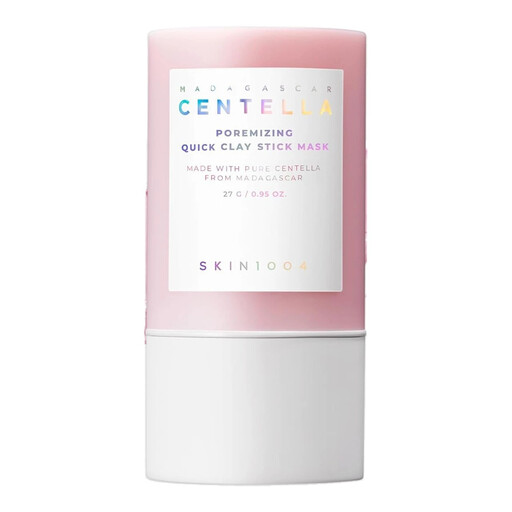
Why it fits this profile: The stick format is handy for quick application to, for example, the T-zone. According to the product description, the formula contains five types of clay, including kaolin and bentonite.
The stick prevents you from taking too much product with your hands and makes targeted application easier.
27 gram stick format; wear time of 3–5 minutes; applies directly without a brush or spatula.
We’ve put together a full, up-to-date list of products that fully meet these strict selection criteria and comply with current European safety regulations.
A product like Luvum Pore Refining Mud Mask, for example, is available as an individual sheet or a box of five. That can be handy for occasional pore cleansing or for gradually building up a routine. For a combination of clay and acids, MEDICUBE Zero Pore Blackhead Mud Mask is an option to assess carefully in terms of ingredients and your skin’s tolerance.
Usually once or twice a week. Always follow the product instructions and adjust the frequency if your skin feels dry, red or sensitive. If you have an oily T-zone, you can apply it locally rather than masking your whole face.
According to product descriptions, a clay mask can help absorb excess oil and remove surface impurities. The effect varies depending on your skin and the formula. Don’t expect a permanent change in pore size; pores may temporarily appear less visible because the skin looks cleaner and smoother.
That varies by brand and packaging. Check the expiry date and the period after opening on the label. Close a pot or stick immediately after use and store the product in a cool, dry place away from direct sunlight. If the smell, colour or texture seems unusual, it’s safer to replace it.
