
Vandaag of morgen in huis

Kwaliteit gegarandeerd

Welkomstaanbiedingen ontgrendelen: GRATIS bezorging | Tot 80% korting | Gratis 30 dagen JoyPlus-proefperiode
Download de app
By Joybuy Product Recommendation Officer
A clay face mask can be a simple addition to your skincare routine. However, not every mask is suited to the same skin type or occasion. Oily skin often benefits from oil-absorbing clay, while dry or sensitive skin may feel tight more quickly after using a strong clay facial mask.
Packaging can make it difficult to spot the differences. Terms such as “pore-cleansing”, “spa effect” and “renewing” say little on their own. Instead, pay particular attention to the ingredients, quantity, application time and warnings.
Kaolin, bentonite, illite and mud can absorb excess sebum. This makes them appealing for an oily skin mask or a face mask for blackheads. However, a strongly absorbent formula may feel uncomfortable on dry or sensitive skin.
Consider applying a cleansing mask only to the nose, chin and forehead. On drier cheeks, use a gentler or more nourishing formula instead.
A brand may claim that a product “minimises” pores, “prevents” blemishes or “regulates” sebum over an extended period. Such effects may be mentioned based on the brand’s own research or product description, but they are not guaranteed for every user. Pores do not disappear because of a cosmetic mask; they may temporarily appear less visible once excess sebum and impurities have been removed.
A clay mask does not need to become completely hard and cracked before you rinse it off. Follow the application time stated on the packaging. Many wash-off masks in this selection have an application time of approximately 5 to 15 minutes. Using a mask more frequently is not automatically more effective and may leave the skin feeling unpleasantly dry.
If you have allergies, always check the ingredients list. Essential oils, fragrance and acids such as salicylic acid or glycolic acid may not be suitable for some users.
A 100 to 240 gram tube is convenient if you regularly apply a thin layer. A 15 ml sachet or single-use mask is more practical if you would first like to try a formula. A stick mask minimises contact with your hands, while a powder mask needs to be mixed with water first.
Also check the expiry date and the period-after-opening symbol on the packaging. Close tubes and jars securely after use and store them in a cool, dry place.
Apply the mask to cleansed skin and avoid the area around the eyes and lips. Rinse off with lukewarm water, then apply a simple moisturiser. With a peel-off or modelling mask, pay particular attention to the instructions for mixing, application and removal.
If you have sensitive skin, first perform a small patch test according to the product information. Discontinue use if redness, a burning sensation, itching or swelling occurs. Cosmetic masks are intended for external use and are not a substitute for treatment of skin conditions.
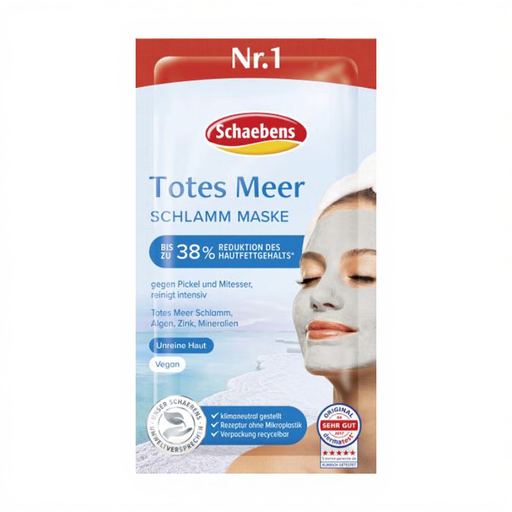
Why This Fits Their Persona: The 15 ml sachet is ideal for trying a Dead Sea mud formula without committing to a large pack straight away.
The small quantity helps minimise waste if your skin does not respond well to the formula.
15 ml; according to the product information, contains Dead Sea mud, kaolin, aloe vera and chamomile extract.
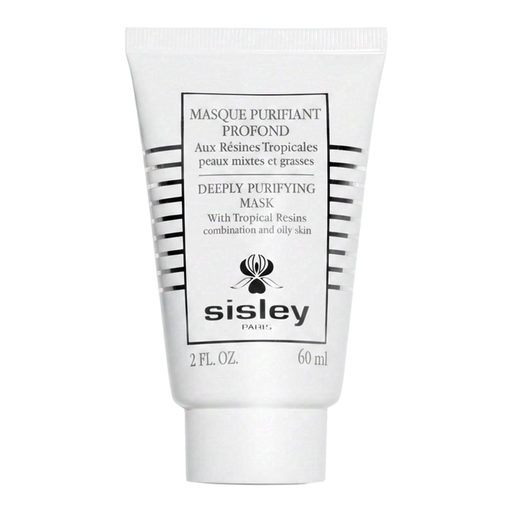
Why This Fits Their Persona: A creamy formula and recommended use once or twice a week suit a refined at-home routine for combination to oily skin.
The product information clearly states a 10-minute application time and warns against contact with the eyes.
60 ml; contains kaolin, bentonite, glycerin and panthenol according to the ingredients list.
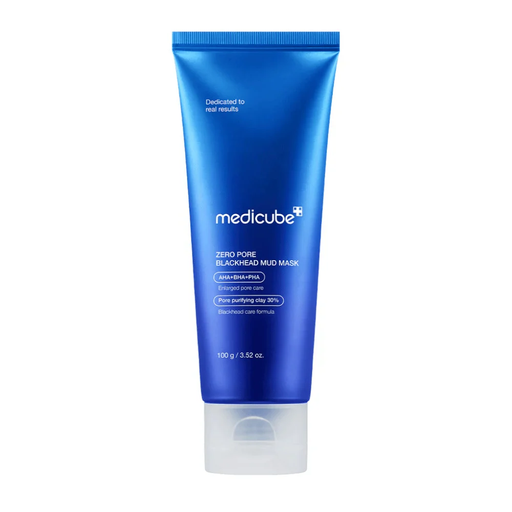
Why This Fits Their Persona: Suitable for users specifically looking for a mud mask for visible pores and blackheads.
The formula lists AHA, BHA and PHA, making it clear from the outset that extra care is needed for sensitive skin.
Contains kaolin and bentonite; the instructions specify a 3-minute application time and use once or twice a week.
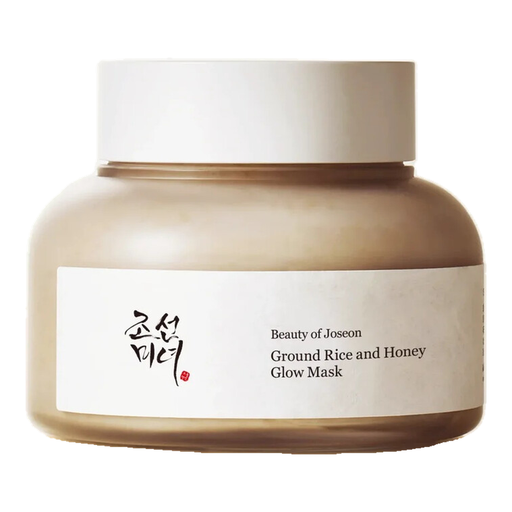
Why This Fits Their Persona: This Korean face mask formula combines kaolin with honey and rice-derived ingredients for cleansing and a nourished skin feel.
The ingredients list shows that this is not just about clay, but also includes glycerin, honey and rice powder.
150 ml; application time of 15 to 20 minutes; contains kaolin, honey and rice bran powder.
Explore our current selection of natural clay masks with a range of formulas, pack sizes and skincare goals.
For combination skin, multi-masking can be practical: apply a pore-cleansing mask to the T-zone and a gentler or hydrating face mask to the cheeks. A stick mask, such as SKIN1004 Madagascar Centella Poremizing, is convenient for targeted application. If you are looking for a Korean spa experience, consider a modelling mask, but check the mixing ratio and removal instructions first.
That depends on the formula and how your skin responds. Many products recommend using them once or twice a week; some advise two to three times a week. Always follow the label and reduce the frequency if your skin feels tight or irritated.
It can be, but choose carefully. If in doubt, avoid fragrance, essential oils and multiple exfoliating acids. Test the product on a small area of skin first and do not leave the mask on for longer than directed.
A mud mask can remove excess sebum and surface impurities, helping the skin feel temporarily smoother or cleaner. Results vary from person to person. Do not use a harsh scrub or aggressive extraction method to remove blackheads, as this can irritate the skin.
