
Vandaag of morgen in huis

Kwaliteit gegarandeerd

Welkomstaanbiedingen ontgrendelen: GRATIS bezorging | Tot 80% korting | Gratis 30 dagen JoyPlus-proefperiode
Download de app
The yogurt drink aisle has expanded significantly in recent years. From the classic lunchbox-sized cartons to trendy Korean beverages, the selection is vast. But this abundance also makes choosing difficult. Many products look similar, and marketing labels can be confusing. Before you make a choice, it's wise to know what to look for to avoid paying for empty promises or hidden sugars.
The most common pitfalls are:
To make an informed choice, you can focus on a few concrete product features. These specifications provide a clearer picture than the marketing on the front of the package.
Check the label for the "Carbohydrates, of which sugars" line. This figure includes both naturally occurring sugars (from milk and fruit) and added sugars. A low-fat yogurt drink can still contain a lot of sugar. Varieties with "0% added sugar" often use sweeteners for flavour. Compare the amount of sugar per 100 ml to get an accurate picture.
Not every drinking yogurt is the same. The base largely determines the taste, texture, and nutritional value.
A quick glance at the ingredient list can reveal a lot. You'll often see stabilisers (like pectin or guar gum) that ensure a uniform, smooth texture. Colourants are used to give the drink an appealing colour. Although these additives are approved for consumption, it gives you a more complete picture of the product's composition.
Everyone has different needs. Below are a few popular choices, matched to a specific user profile.
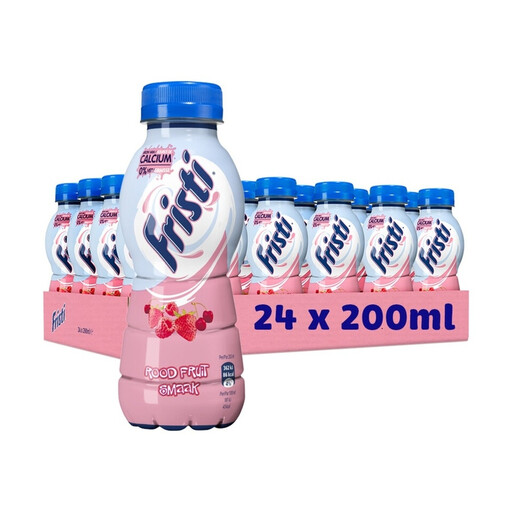
Why This Fits Their Persona: Ideal for families looking for a convenient and familiar drink for lunchboxes or on the go. The flavour is popular with children, and the cartons are easy to pack.
By buying a bulk pack of 24, you bypass the high per-item cost of single cartons from the supermarket. The nutritional values are clearly stated, so you know exactly what you're getting.
The cartons have a long shelf life outside the refrigerator, which is convenient for pantry stocking. It's a low-fat drinking yogurt based on Dutch meadow milk.
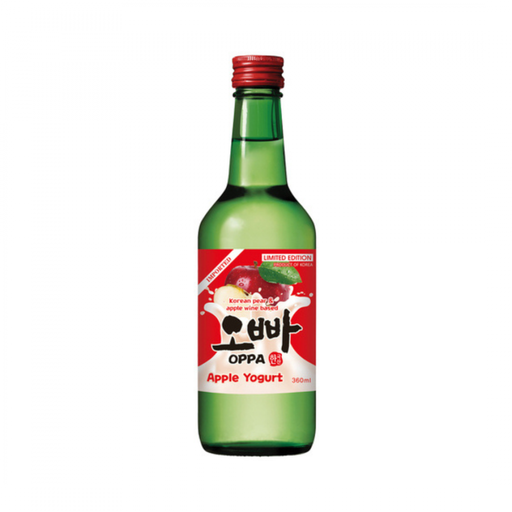
Why This Fits Their Persona: For those interested in the Korean yogurt drink trend and aren't afraid to experiment. This soju yogurt combines a soft, creamy yogurt flavour with the crisp taste of apple and a 12% alcohol content.
This product is transparent about what it is: an alcoholic beverage for adults. It makes no health claims and is clearly positioned as a drink for social gatherings or parties, not as a healthy snack.
A unique flavour combination you won't find easily elsewhere. It's versatile: you can drink it chilled, on the rocks, or as a base for a cocktail.
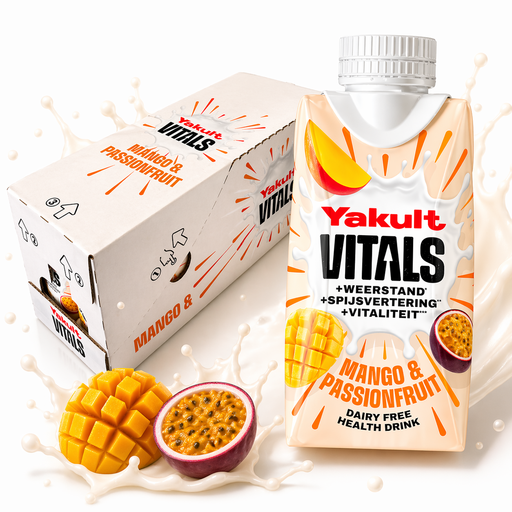
Why This Fits Their Persona: Suitable for those who are mindful about their diet and are looking for a plant-based alternative. This version is soy-based and has a tropical flavour of mango and passion fruit.
The product information is specific about its ingredients and nutritional values. You're not choosing based on vague claims, but on facts like its soy base and the amount of sugar per 100 ml.
According to the manufacturer, this product is enriched with vitamin D, zinc, and calcium. Its soy base makes it an option for people who want or need to avoid dairy.
We have compiled a complete, up-to-date list of products that meet these selection criteria and current regulations.
Although the terms are sometimes used interchangeably, there is a difference in focus. Drinking yogurt is generally a dairy drink based on yogurt, often with a fruit flavour, intended as a snack or thirst quencher. A probiotic drink is typically a more concentrated beverage to which the manufacturer has added specific bacterial cultures. The choice depends on your personal preference and goal.
This depends on the product. For most yogurt drinks, they should be kept refrigerated after opening (at a maximum of 7°C) and consumed within a few days. Always consult the storage advice on the packaging for the most accurate information.
Yes, absolutely. There are various options on the market with "0% added sugar" or a lower sugar content. These products often contain sweeteners to provide a sweet taste. However, note that "no added sugar" does not mean "sugar-free." The drink can still contain naturally occurring sugars from milk or fruit. Compare the nutritional table to check the total amount of sugars.
