
Vandaag of morgen in huis

Kwaliteit gegarandeerd

Welkomstaanbiedingen ontgrendelen: GRATIS bezorging | Tot 80% korting | Gratis 30 dagen JoyPlus-proefperiode
Download de app
Whether you're lactose-free, following a vegan lifestyle, or simply looking for a plant-based alternative for your coffee, soy milk has become a staple in many households. But the soy drink aisle has expanded significantly in recent years, and not every option is a winner. Before you add a carton to your basket, it's wise to know what to look for.
Many consumers fall into a few common pitfalls:
Fortunately, these problems are easy to avoid if you know what to look for.
To make a great choice, you only need to check a few objective features on the packaging. These are the key specifications that make the difference between a good purchase and a bad one.
The term unsweetened soy milk is your most important guideline if you want to avoid added sugars. Always check the nutritional information panel under "carbohydrates, of which sugars."
The protein content is a good indicator of the texture and functionality of the soy drink.
Besides the familiar one-litre cartons, soy milk powder is also available. Both have their own advantages.
Based on these criteria, we've highlighted several popular choices that suit different needs and preferences.
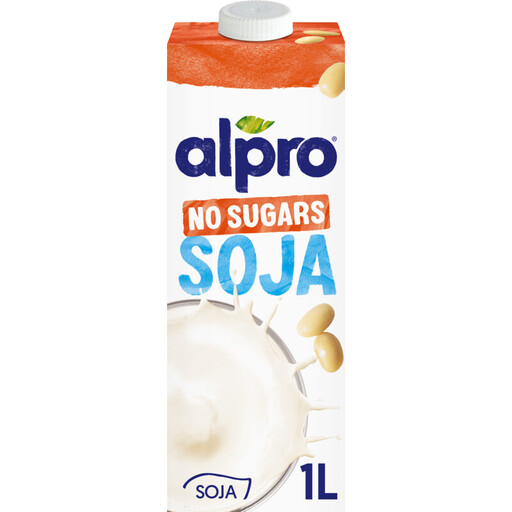
Why This Fits Their Persona: This person wants a reliable, foamable soy drink that doesn't overpower the coffee's flavour. Its neutral, sugar-free taste and excellent performance make it a favourite for at-home baristas.
This drink tackles the 'curdling cappuccino' trap. Its high protein content (3.3 g) ensures a stable foam. Because it's unsweetened, you also avoid the hidden sugars pitfall.
0 grams of sugar and a high protein content. A neutral base for any coffee creation.
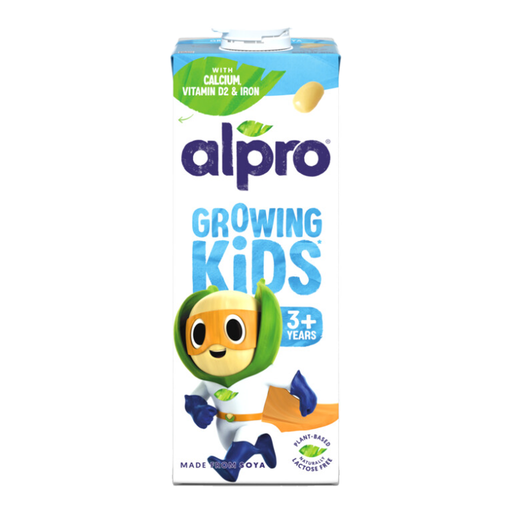
Why This Fits Their Persona: Parents seeking a plant-based alternative for their toddler or preschooler, with a focus on nutrients. The mild taste and added vitamins make it a practical choice.
This isn't a generic 'healthy' drink. According to the manufacturer, it's specifically developed for young children, with a low sugar content (2.5 g) and added nutrients relevant for growth.
According to Alpro, the drink is fortified with calcium, iron, iodine, and vitamins C & D2, which contribute to the normal growth and development of children.
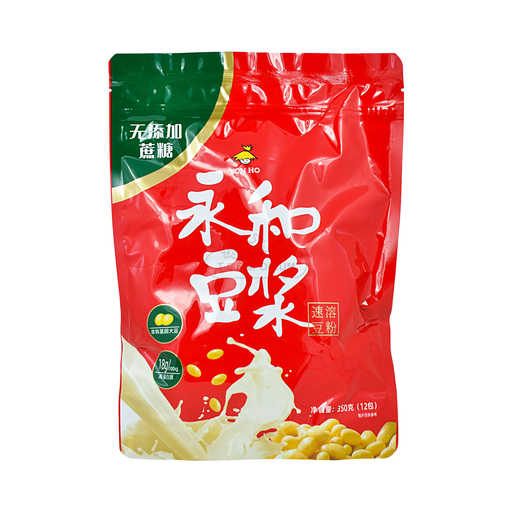
Why This Fits Their Persona: This user wants an economical and long-lasting option. Soy milk powder offers flexibility and prevents waste, as you only prepare what you need.
This product bypasses the trap of a carton going sour in the fridge. The powder form is shelf-stable for months. Because it's unsweetened, you have complete control over the flavour and sugar content.
Long shelf life and cost-effective. The powder contains a very high protein content (32 g per 100 g of powder), which ensures a rich texture after mixing.
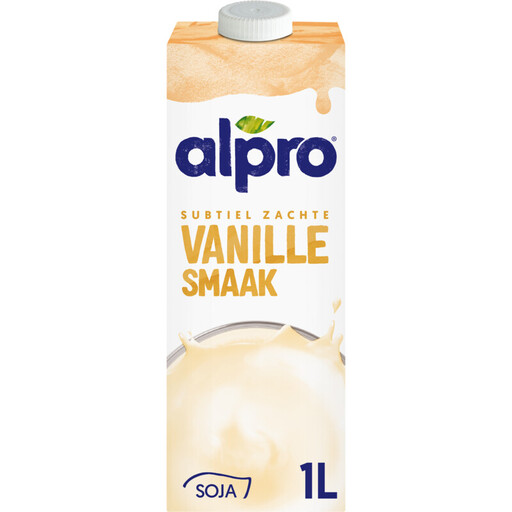
Why This Fits Their Persona: This person doesn't enjoy the pure taste of soy but still wants the benefits of a plant-based drink. The vanilla flavour makes it an accessible and tasty option for cereals or in smoothies.
This product directly tackles the 'bean flavour' pitfall. The added vanilla flavour masks the strong soy taste, making it a great entry-level choice. The sugar content is clearly stated, so there are no surprises.
Smooth and accessible flavour. A versatile drink that's delicious on its own but also works well in sweet recipes and breakfasts.
We've compiled a complete, up-to-date list of products that meet these selection criteria.
Curdling is usually caused by a combination of a temperature difference and the acidity of the coffee reacting with the proteins in the soy drink. To prevent this, you can choose a soy drink for coffee (barista edition), which often contains stabilisers. Another tip is to gently warm the soy milk before adding it, or to pour the hot coffee slowly into the soy milk instead of the other way around.
The nutritional value is often comparable, but always check the label. Many soy milk powders, just like their liquid counterparts, are fortified with calcium and vitamins. The powder isn't necessarily less nutritious, but it mainly offers advantages in terms of shelf life and cost. You're trading a bit of convenience for flexibility and a lower price per litre.
In practice, there is no difference; the terms are used interchangeably for the same product. However, according to EU legislation, the term "milk" can only be used for products of animal origin. That's why you'll officially see the name soy drink on the packaging. It's purely a legal distinction that says nothing about the content or quality of the product.
