
Vandaag of morgen in huis

Kwaliteit gegarandeerd

Welkomstaanbiedingen ontgrendelen: GRATIS bezorging | Tot 80% korting | Gratis 30 dagen JoyPlus-proefperiode
Download de app
Drinking yogurt. Easy for the lunchbox, a quick breakfast, or an on-the-go snack. The supermarket shelves are packed with them, from the famous pink Fristi to store brands in every flavour. But how do you choose the right one? Many packages shout "healthy" and "with fruit," but the reality is often different. Before you fill your shopping basket, it's wise to know what to look for. We'll help you see through the marketing jargon and make a choice that fits your family and lifestyle.
It's tempting to quickly grab a carton from the shelf, but watch out for these common misconceptions:
To avoid a bad purchase, it's helpful to pay attention to a few specific things. A quick glance at the label often tells you enough.
This is perhaps the most important point. Look at the nutrition table for the line "Carbohydrates, of which sugars." This number includes both naturally occurring milk sugars and added sugars.
The packaging determines not only ease of use but also the price per litre.
Not every yogurt drink is the same. To help you choose, we've matched a few popular options to different needs.
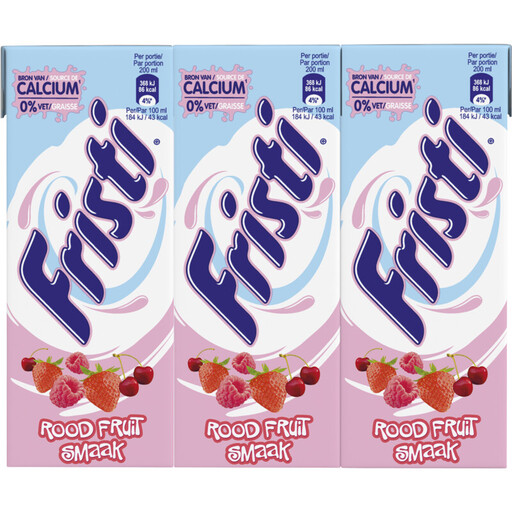
Why This Fits Their Persona: For families looking for a convenient and familiar option for school lunchboxes. The classic taste is a hit with kids, and the individual cartons are perfect for on-the-go.
This is the classic, sugared version. The 'trap' is avoided here by making a conscious choice for taste and convenience, knowing that it's a treat and not a daily 'health drink'.
Convenient portion packs: Ideal for lunchboxes and days out. Classic taste: The familiar flavour of red fruit drinking yogurt that many know and love.
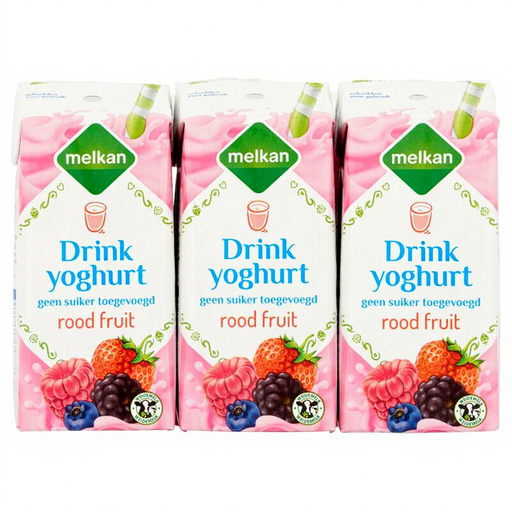
Why This Fits Their Persona: Perfect for adults seeking a quick, low-calorie snack without added sugars. It's convenient for after a workout or as a light start to the day.
This Melkan drinking yogurt tackles the sugar trap head-on. With only 2.3 grams of sugar and 16 kcal per 100 ml, it's a clear choice for anyone looking to limit sugar and calories.
Very low in sugar: Sweetened with sweeteners, not sugar. Low-calorie: A light option that still provides a feeling of satisfaction.
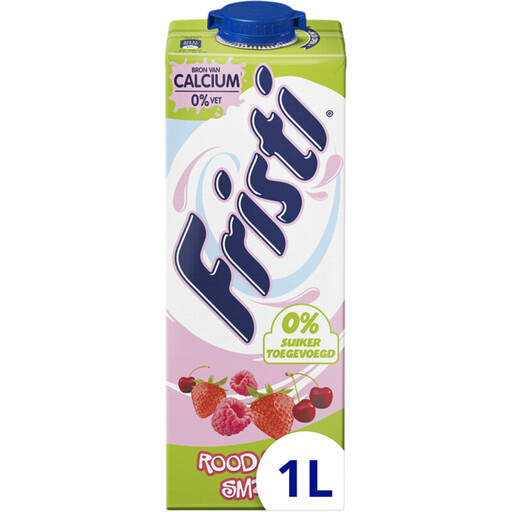
Why This Fits Their Persona: Ideal for families who regularly enjoy drinking yogurt at home and want to make a sugar-conscious choice without sacrificing the familiar taste. A litre pack is more economical and practical for home use.
This version combines the best of both worlds: the familiar Fristi taste without the added sugars. The litre pack also bypasses the higher cost of small cartons.
No added sugar: The sweet taste comes from sweeteners. Economical advantage: A litre pack offers better value for money for regular home consumption.
We have compiled a complete, up-to-date list of products that meet these selection criteria and comply with Dutch regulations.
That depends entirely on the version you choose. A sugar-free drinking yogurt or one with a low sugar content (less than 5 grams per 100 ml) and some protein can be an excellent snack. Varieties with a lot of added sugar are more comparable to a treat than a functional, healthy snack. Always read the label.
Most drinking yogurts have a limited shelf life in the refrigerator (max 7 °C) after opening, usually about 3 to 4 days. This applies especially to litre packs. The exact shelf life is always stated on the packaging. Small, sealed cartons are intended for single use.
Fristi is a brand name from FrieslandCampina and is one of the most well-known players on the market, famous for its specific pink colour and red fruit flavour. Other brands, such as Melkan, often offer similar products, sometimes with a different focus, such as lower-sugar or lower-priced versions. The main difference is often in the recipe (sugar content, sweeteners used, fruit percentage) and the price.
