
Vandaag of morgen in huis

Kwaliteit gegarandeerd

Welkomstaanbiedingen ontgrendelen: GRATIS bezorging | Tot 80% korting | Gratis 30 dagen JoyPlus-proefperiode
Download de app
Soya milk comes in more varieties than just plain. In British online shops, you’ll find everything from ready-to-drink soya drink, Korean soya milk, flavoured Asian soya drinks and soya milk powder for hot or cold preparation. This wide range makes choosing easier, but it also increases the chance of a disappointing purchase.
Pay particular attention to these three common pitfalls:
Confusing a healthy image with a low sugar content
A plant-based drink can be vegan or lactose-free and still contain sugar. Always check the nutritional information table. Look at the carbohydrates and sugars per 100 ml, not just words like “natural” or “light”.
Overlooking the portion size
A 1-litre carton is handy for home, while a 190 ml or 250 ml pack fits better in a bag or lunchbox. With powder, the preparation quantity matters: compare the nutritional values after preparation when you’re weighing up different products.
Not checking for allergens and grains
Soya is an allergen. Some varieties with grains also contain wheat or barley. This applies, for example, to certain Korean soya drinks with roasted grains. Read the ingredients list before you order, especially if you have food allergies or follow a strict diet.
For a neutral everyday drink, look for unsweetened soya milk or soya powder with no added sugar. Do check the full ingredients list, though: “unsweetened” doesn’t automatically mean there are no other carbohydrate sources present.
With a flavoured soya drink, you’ll often find sugar, fruit juice, maltodextrin or flavourings listed. That’s not necessarily a problem, but it does determine the taste and nutritional value. Alpro Soya Drink Banana, for example, lists water, soya beans, sugar and 1.2% banana juice from concentrate. According to the product information, this drink contains 6.0 grams of sugar per 100 ml.
Compare products on the same basis. Ready-to-drink drinks usually show values per 100 ml; powders typically use 100 grams. Look out for:
Nutritional values can vary significantly. Alpro Soya Drink Vanilla states 3 grams of protein and 6.8 grams of sugar per 100 ml on the label. Yeo’s Black Soy Drink states 2 grams of protein and 5 grams of sugar per 100 ml. With powders, the values per 100 grams are higher because the product is concentrated.
An UHT soya drink in a carton can be stored unopened outside the fridge according to the packaging instructions. Once opened, the product must be refrigerated and used within the stated period.
Soya milk powder is practical when you don’t want to keep a litre carton on the go. Pay attention to the recommended amount of water and temperature. Joyoung Pure Soy Milk Powder is prepared with hot water according to the product information. Other varieties, such as Ice Spring Matcha Cold Brew Soy Milk Powder, can be mixed with 120 to 180 ml of cold or room-temperature water. A small amount of sediment may be normal with this product, according to the usage instructions.
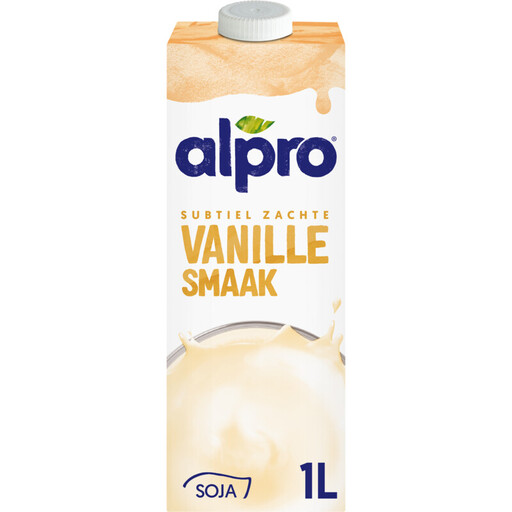
Why this suits the profile: A familiar 1-litre carton for breakfast, coffee, smoothies or everyday home use. According to the product information, this soya drink is vegan and naturally lactose-free.
The nutritional information clearly states 57 kcal, 3 grams of protein and 6.8 grams of sugar per 100 ml. This lets you judge the drink on measurable values rather than just the packaging.
1 litre; vanilla flavour; source of calcium and vitamins according to the product description.
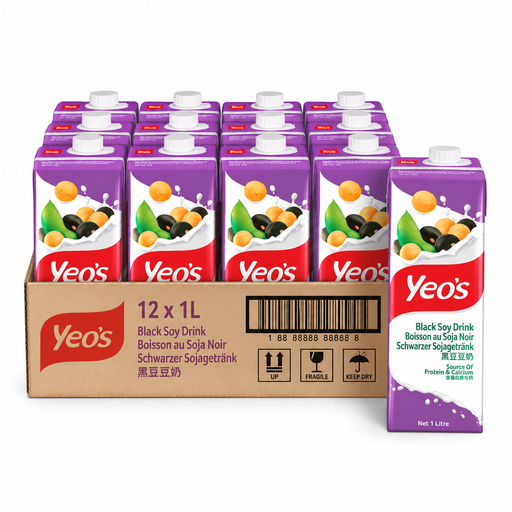
Why this suits the profile: A bulk pack for households that regularly use soya drink or want to stock up.
The content is clearly specified as 12 cartons of 1 litre. Per 100 ml, the product states 44 kcal, 5 grams of sugar and 67 mg of calcium.
Ready-to-drink; family pack; a source of calcium according to the product information.
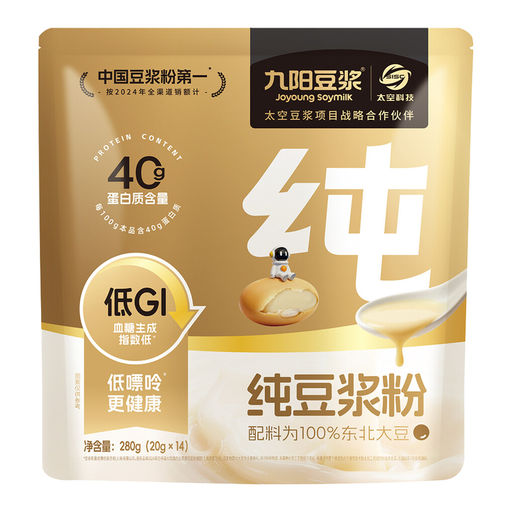
Why this suits the profile: Handy if you want to control the strength of the drink yourself and use soya milk in smoothies, baking recipes or hot drinks.
The ingredients list states only soya beans. This means there’s no flavour variant or long list of added flavourings to overlook.
Powder form; no added sugar according to the product description; 40 grams of protein per 100 grams of powder.
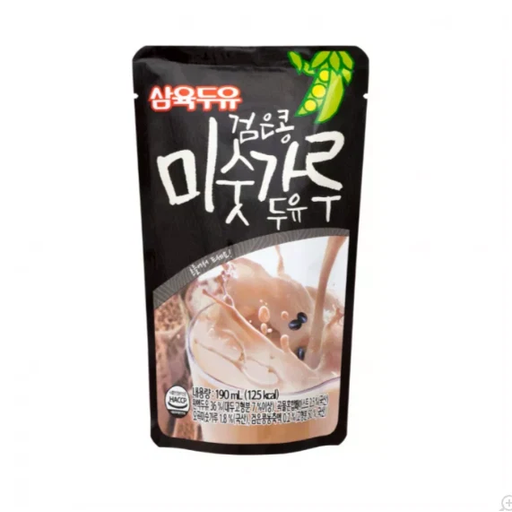
Why this suits the profile: The small pack is ideal for work, study, breakfast on the go or a quick snack. This Korean soya drink can be enjoyed chilled or at room temperature.
The ingredients list soya and wheat. This makes the allergen information clearer than a general reference to “grains”.
190 ml per pack; black beans and grains; 3 grams of protein per 100 grams according to the product information.
We’ve put together a full, up-to-date list of products that fully meet these strict selection criteria and comply with current European safety regulations.
In practice, the terms are often used interchangeably. On packaging and in online shops, you’ll usually see “soya drink” or “soya milk”. Always check the ingredients, nutritional value and preparation method. The composition can vary significantly by brand and flavour.
Keep an opened carton in the fridge and follow the time stated on the packaging. Seal the carton well. Store powder in a dry, cool place away from direct sunlight. Seal an opened pack tightly to prevent moisture and clumping.
According to the product information, several of the soya drinks mentioned are naturally lactose-free, including the Alpro varieties. Always check the label, especially with flavoured products and powder mixes. Soya is also a separate allergen, so it is not a suitable choice if you have a soya allergy.
