
Livraison le jour même et le lendemain

Qualité garantie

Débloquez vos offres de bienvenue: Livraison GRATUITE | Jusqu'à -80 % | 30 jours d'essai gratuits à JoyPlus
Téléchargez l'application
Wet wipes are handy for a quick change, cleaning a surface or extra hygiene when you’re out and about. However, not every pack is suitable for every use. Baby wipes, cleaning wipes, moist toilet tissue and compressed towels differ considerably in their ingredients, materials and disposal methods.
Packaging may include terms such as “extra soft”, “biodegradable” or “antibacterial”. These descriptions only tell you something if you also check the ingredients, intended use and instructions. As a Joybuy Product Recommendation Officer, I therefore focus mainly on verifiable product information, so you’re less likely to pay for a feature that doesn’t suit the way you use the product.
A wipe designed for baby skin is not automatically suitable for a kitchen worktop. Conversely, cleaning wipes may contain ingredients that you wouldn’t want to use on your hands, face or a baby’s skin. Always check the stated intended use. If it says “for hard surfaces”, don’t use it for personal care.
A wipe can be made from plant-based fibres according to the product information and still not be suitable for flushing down the toilet. The safe standard for most wet wipes is: put used wipes in general waste. Only products that are explicitly suitable for flushing, such as certain types of moist toilet tissue, have a specific statement to this effect. Even then, it’s advisable to follow your local water authority’s guidance.
Compare the price per wipe, but also consider the shelf life and closure. A pack containing 1,200 wipes is practical for a household that uses them every day, but less suitable if it remains open for weeks. Poorly sealed packaging allows wipes to dry out. A resealable lid or tab helps retain moisture, but close the pack carefully after every use.
For baby care and sensitive skin, fragrance-free wipes, alcohol-free wipes and varieties without colourants are often a sensible first selection. Also read the ingredients list. “Hypoallergenic” is no guarantee that everyone will tolerate the product without problems. According to the brand’s product description, a product may be dermatologically tested or hypoallergenic; this is a brand description, not a universal guarantee.
If you’re concerned about redness or irritation, stop using the product. Wet wipes are intended for external use. Avoid contact with the eyes and mouth, and follow the warnings on the packaging.
A thin wipe may be sufficient for hands, while a soft, strong sheet is more useful when changing a nappy. Look out for:
Claims such as “three times thicker” or “3.8 times more moisture” should be read as manufacturer product information. They are only meaningful when considered alongside practical details such as the material, dimensions and number of wipes per pack.
Biodegradable wipes and plastic-free wipes may appeal to consumers who want to use less conventional plastic. However, check whether this applies to the wipe, the packaging or both. Plant-based fibres do not make a product reusable. Dispose of used wipes according to the label; do not flush them unless the packaging clearly says that you can.
For travelling, sports and camping, compressed towels are a liquid-free alternative. These tablets expand when water is added and take up very little space. They are not the same as pre-moistened wipes, so you will need access to clean water.
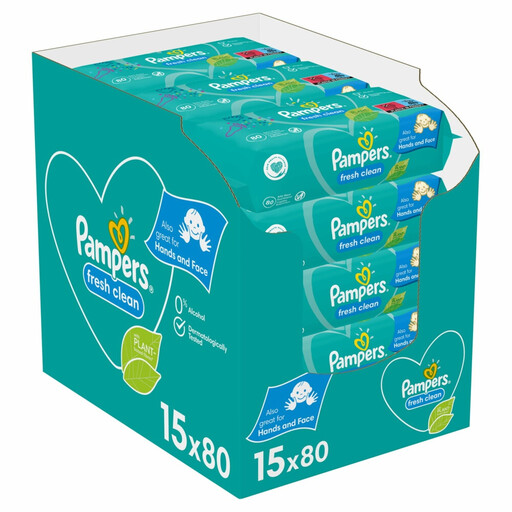
Why this suits the profile: The pack contains 15 packs of 80 wipes, making it suitable for everyday use at home. According to the product description, the wipes are intended for bottoms, hands and faces.
The resealable closure is designed to help prevent the wipes from drying out. The product information also states that they are alcohol-free; according to the brand, the lotion has a soft, fresh scent.
1,200 wipes in total; suitable for several everyday care routines; alcohol-free formula according to the product description.
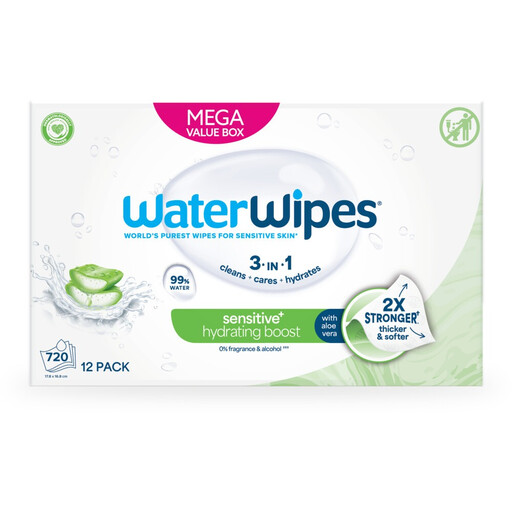
Why this suits the profile: If you mainly look for a short ingredients list and a large supply, the product information states that this formula contains more than 99% water and aloe vera.
The description states that the wipes are fragrance-free and made from plastic-free material. The claim that they are suitable for sensitive or dry baby skin comes from the brand’s product information.
12 packs of 60, making 720 wipes in total; aloe vera according to the product description; plastic-free and biodegradable wipes according to the brand’s claim.
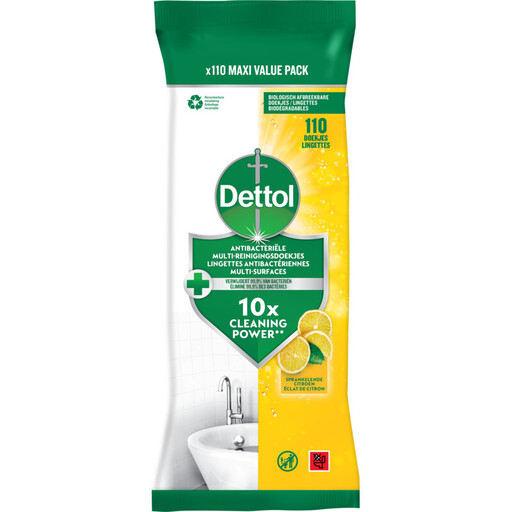
Why this suits the profile: For kitchens, bathrooms and other hard surfaces, these antibacterial wipes are intended for everyday use on multiple surfaces according to the product description.
The pack contains 110 wipes and comes in a citrus variant. Only use this product on surfaces for which the label says it is suitable, not on skin or baby items.
110 wipes per pack; intended for hard surfaces; according to Dettol’s own research, the wipes remove 99.9% of bacteria.
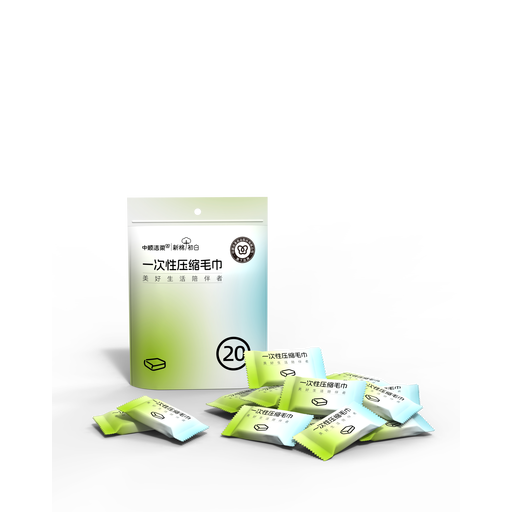
Why this suits the profile: The compact tablets take up very little room in a sports bag, washbag or camping kit. When water is added, they produce a 24 × 30 cm cloth according to the product information.
As the wipes are stored dry, there is less risk of them drying out before use. You will need clean water, though; used cloths must not be flushed.
20 tablets per pack; plant-based fibres according to the product description; suitable for travelling, camping, fitness and cleaning hands or faces.
Moist toilet tissue is designed for use after dry toilet paper. Look for an explicit statement about flushability and the relevant standard. The PAGE Fresh & Soft product information states that these wipes are plastic-free and biodegradable, and meet INDA/EDANA flushability standards. This distinguishes them from many baby wipes and cleaning wipes.
Other wipes, such as Pampers Sensitive and Bonbebe Aloe Vera, should be disposed of with general waste according to the product information. Even with a product that carries a flushability claim, moderation is still advisable to help prevent blockages.
We’ve put together a complete, up-to-date list of products that fully meet these strict selection criteria and the applicable European safety regulations.
Check the expiry date or period-after-opening information on the packaging. Once opened, wipes can dry out, especially if the lid does not close properly or the pack is stored somewhere warm and sunny. Close the pack after every use and store it according to the label.
That depends on the formula. Check the fragrance, alcohol, colourants and the complete ingredients list. Products marketed as sensitive baby wipes or hypoallergenic may contain fewer fragrances or an adapted formula according to the brand description. This remains a product claim; if irritation persists, it’s best to stop using the product.
Calculate the price per wipe by dividing the pack price by the total number of wipes. Then also compare the size, moisture and intended use. A cheap wipe that tears easily or requires several wipes per clean is not automatically better value.
