
Vandaag of morgen in huis

Kwaliteit gegarandeerd

Welkomstaanbiedingen ontgrendelen: GRATIS bezorging | Tot 80% korting | Gratis 30 dagen JoyPlus-proefperiode
Download de app
Wet wipes may seem simple to buy, but the options vary considerably depending on how you plan to use them. Baby wipes, moist toilet wipes, facial wipes and cleaning wipes are not automatically interchangeable. A glass wipe, for example, may not be suitable for skin, while a baby wipe may not be powerful enough to remove grease from a worktop.
Most disappointing purchases come down to three common pitfalls:
Use facial wipes only on your face, and check whether they are intended for everyday use. For baby care, a short ingredients list, no added fragrance and packaging that seals securely are often more important than a strong scent.
Moist toilet wipes are designed to be used alongside dry toilet paper. Always check whether the packaging says they can be flushed. Even when a product is sold as flushable wipes, flushing it can cause problems with pipes or sewers. The safest option for your plumbing is to put used wipes in the bin, unless local guidance and the product packaging say otherwise.
For surfaces, you’ll find general cleaning wipes, glass wipes, floor wipes and disinfectant wipes. Each type has a different purpose. Disinfectant wipes also need to be used according to the instructions; a cleaning wipe is not automatically a disinfectant.
A thicker wipe may be less likely to tear and can cover a larger area in one go. For example, BC Babycare’s product information lists a cellulose base, a thickness that the manufacturer says is three times greater than that of many standard wipes, and a higher moisture level. These are verifiable product specifications, but they do not mean that one wipe will be enough for every situation.
Also check:
So, treat a claim such as biodegradable wipes separately from the question of how to dispose of them. Plastic-free fibres will generally still need to go in the general waste once used.
For sensitive skin, fragrance-free wipes or wipes with a short ingredients list are a sensible place to start. Always check the current packaging, though, as product information can include different details. For example, Sence Face-Aloe Vera Cleansing Wipes are listed as having no fragrance, while the product specifications do not describe them as fragrance-free. If you are sensitive to fragrances, it is therefore best to check the ingredients list before buying.
For baby wipes and wipes for sensitive skin, ingredients to look out for include fragrance, alcohol, preservatives and plant extracts. “Natural” or “water-based” does not guarantee that every ingredient will suit everyone. If in doubt, try the wipes on a small area of skin first and stop using them if irritation occurs. Use wipes externally only, and avoid contact with the eyes and mouth unless the packaging specifies that they are suitable for such use.
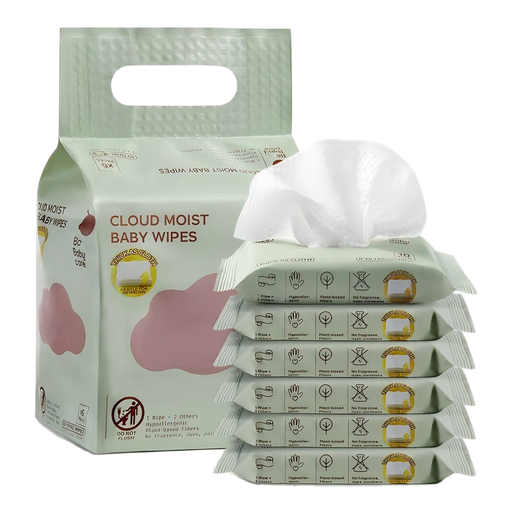
Why it suits this profile: A compact pack of 60 wipes is handy for trying at home, in your changing bag or on the go, without committing to a large multipack straight away.
According to the product information, these wipes are unscented and intended for external use. They are not suitable for flushing down the toilet.
60 wipes, a plant-fibre base according to the product description, and OEKO-TEX certification, number 25.HUS.21538.
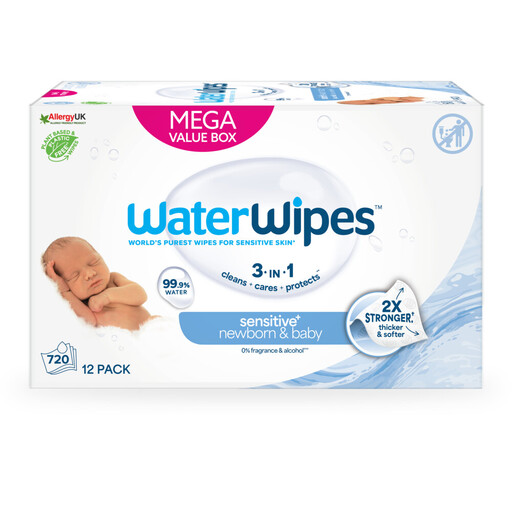
Why it suits this profile: This multipack is aimed at families who use baby wipes regularly and value a short ingredients list.
According to the product information, the formula contains 99.9% purified water and 0.1% grapefruit seed extract. Once opened, use within the stated period is recommended.
12 packs containing 720 wipes in total; according to the product description, the formula contains two listed ingredients.
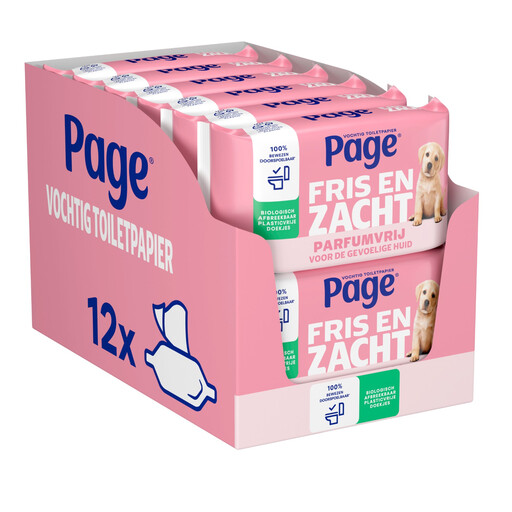
Why it suits this profile: A supply of 456 moist toilet wipes is a good fit for households that use moist toilet paper every day alongside dry toilet paper.
According to the manufacturer, these wipes are plastic-free, biodegradable and tested to the INDA/EDANA flushability standard. Still, check local sewerage guidance.
456 wipes, fragrance-free according to the product information, pH skin-neutral and packed in recyclable packaging.
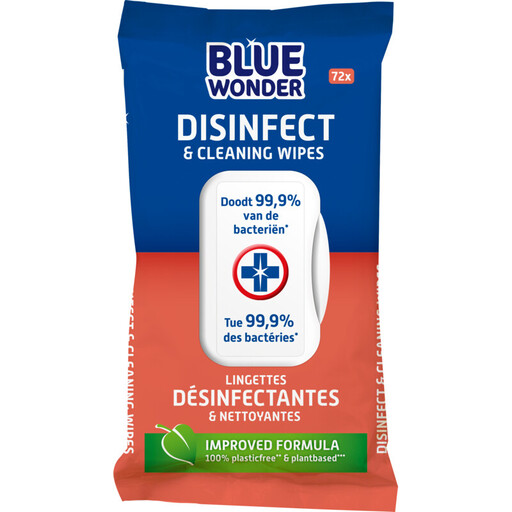
Why it suits this profile: This option is designed for hard surfaces such as worktops and toilets, as well as certain objects. That makes it more targeted than general-purpose cleaning wipes.
According to the manufacturer, these wipes clean and disinfect in one step. Use them only on suitable surfaces and follow the instructions on the packaging.
72 wipes, chlorine- and alcohol-free according to the product information, made from plastic-free, plant-based fibres.
We’ve put together a full, up-to-date list of products that meet these strict selection criteria and the applicable European safety requirements.
It depends on the type. Baby wipes, facial cleansing wipes and moist toilet wipes have different formulations. Check where they are intended to be used, their ingredients and any warnings. Stop using them if redness or irritation occurs.
Close the lid or packaging straight after use. Store the pack somewhere cool, away from direct sunlight and heat sources. Large packs are convenient, but only if you can use them within the recommended period.
Not necessarily. “Biodegradable” describes the material, not whether it is suitable for the sewer system. For flushable wipes, follow the packaging and local guidance. To help prevent blockages, it is best to put used wipes in a bin.
