
Vandaag of morgen in huis

Kwaliteit gegarandeerd

Welkomstaanbiedingen ontgrendelen: GRATIS bezorging | Tot 80% korting | Gratis 30 dagen JoyPlus-proefperiode
Download de app
When choosing baby wipes for sensitive skin, it’s not just about soft packaging or a familiar brand name. The ingredients, material and closure all affect how practical the wipes are at every nappy change. It’s worth taking the time to compare product information, especially if you have a newborn or a baby whose skin reacts easily.
Marketing terms can be confusing. “Natural”, “water-based” or “flushable” doesn’t automatically mean a wipe is suitable for every situation. Below, you’ll find the key things to look out for, followed by a selection for different needs.
Many baby wet wipes are mostly made of water, but also contain preservatives, cleansing agents or plant extracts. That doesn’t necessarily make them unsuitable, but always check the full ingredients list. If your baby has sensitive skin, a short, easy-to-understand list of ingredients may be easier to assess.
Look out for terms such as “fragrance-free”, “alcohol-free” and “dye-free”, too. These describe separate properties. A wipe that’s fragrance-free isn’t automatically alcohol-free, and vice versa.
A pleasant scent may appeal to adults, but it isn’t an essential feature of fragrance-free baby wipes. According to the product information, Zwitsal Baby Wipes are dermatologically tested, pH-neutral for the skin and contain chamomile extract, but they also have Zwitsal’s distinctive fragrance. If you’d rather avoid fragrance, choose an unscented version.
Not every wet wipe can be flushed down the toilet. Ordinary baby wipes, face wipes and many wipes for newborns should go in general waste. Even with moist toilet wipes, take care: check the instructions on the packaging and flush no more than the recommended number at a time. For everyday nappy changes, putting used wipes in a bin is the safest option.
Before you buy, check for:
Stop using the wipes if redness or irritation develops, and follow the safety instructions on the packaging. If symptoms persist, seek advice from a healthcare professional.
If you’re checking what wipes are made from, you’ll increasingly come across plastic-free baby wipes and biodegradable baby wipes. According to the product description, Pampers Sensitive Plastic Free Baby Wipes are made from 100% plant-based fibres and contain 0% plastic. The BC Babycare versions are also described as plastic-free and biodegradable in the listed specifications.
That doesn’t mean you can flush them down the toilet. Plant-based fibres can still cause blockages. Put used wipes in the bin unless the packaging explicitly says otherwise.
A resealable lid helps stop the wipes from drying out. Close the pack securely after each use and store the wipes in a cool, dry place away from direct sunlight. A larger pack may be better value for home use, but check the total number of wipes:
So the price per pack doesn’t tell you the whole story. Divide the total price by the number of wipes, and consider how many wipes you typically use at each nappy change.
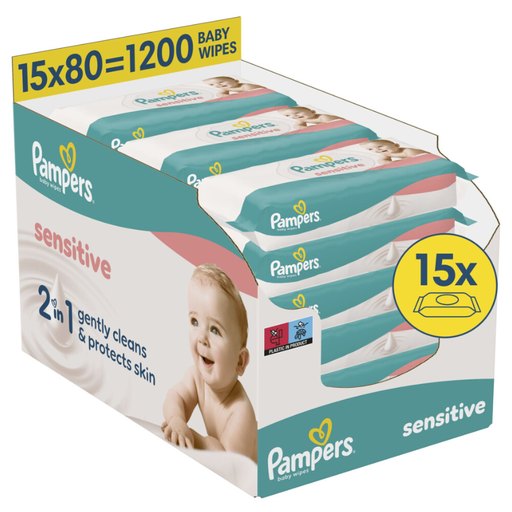
Why it suits this need: This large pack contains 1,200 wipes, making it handy for families who use lots of wipes every day and want to reorder less often.
The product information describes an alcohol-free, fragrance-free and dye-free formula. The closure helps keep the remaining wipes moist.
1,200 wipes, labelled as suitable from birth in the product information, with a formula described as helping protect the skin’s pH.

Why it suits this need: The stated extra thickness and moisture may appeal to parents looking for a sturdy wipe for thorough nappy changes.
The specifications state that the wipes contain 99% purified water, have no fragrance and use plastic-free cellulose fibres. Make sure the pack is kept firmly closed.
960 wipes, an OEKO-TEX mention in the product information and a design described as three times thicker than many standard wipes.
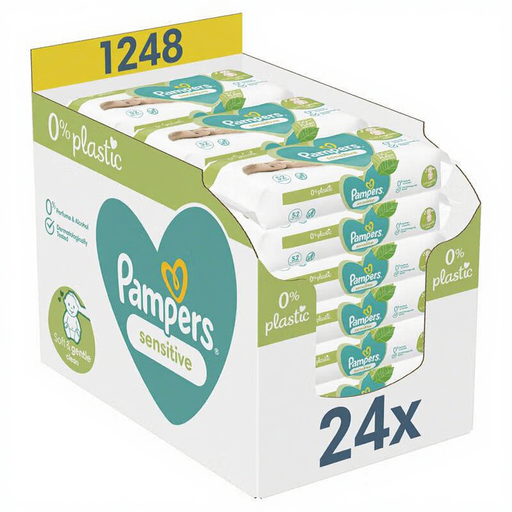
Why it suits this need: A good fit if you go through lots of wipes and care about the fibre material, while also wanting a large stock at home.
According to the product description, the wipes contain 0% plastic and are free from alcohol, fragrance and dyes. The safety information says to put used wipes in the bin.
1,248 wipes, made from 100% plant-based fibres according to the product information, with a resealable dispenser.
We’ve put together a full, up-to-date list of products that meet these strict selection criteria and the applicable European safety regulations.
Not necessarily. Check whether the packaging says the product is suitable from 0 months, and look at the ingredients. Even wipes designed for newborns can cause an individual skin reaction. If you’re unsure, try them gently at first and stop using them if irritation occurs.
It varies by brand and packaging. Close the lid straight after use and store the pack in a cool, dry place. Some products give a specific period for use after opening; for example, the WaterWipes product information says an opened pack should be used within a limited period. Always follow the label.
Only if the manufacturer says they’re suitable for the face, and you keep them away from the eyes. Facial cleansing wipes and dry face wipes aren’t automatically suitable for a baby’s bottom. Check the age guidance, material and safety warnings before using a wipe for a different purpose.
