
Vandaag of morgen in huis

Kwaliteit gegarandeerd

Welkomstaanbiedingen ontgrendelen: GRATIS bezorging | Tot 80% korting | Gratis 30 dagen JoyPlus-proefperiode
Download de app
A waste bin may seem like a simple purchase, but the wrong size, an awkward lid or a fiddly inner bucket can become a daily annoyance. In the kitchen, ease of use, hygiene and available space are especially important. In a bathroom or home office, a compact bin that stays out of the way is often the better choice.
Before you buy, look out for these three common pitfalls:
Choose the capacity to suit your household, how often you dispose of waste and the space available:
Check the height with the lid open, too. The 5five sensor bin reaches 85.6 cm when open. This matters if you’re placing it beneath a wall cupboard or next to a worktop.
A pedal bin opens with your foot, so you don’t have to touch the lid with dirty hands. A soft-close model shuts more gently and helps prevent loud bangs. With a touch-top lid, you press the lid by hand; this can be a simple option that doesn’t need batteries.
A sensor bin opens automatically when it detects movement. If you choose this type, always check whether it needs batteries, how to clean the sensor and whether the inner bucket can be removed. An automatic lid is especially useful if you cook often or regularly have waste in both hands.
A metal waste bin often has a sleek look, but check whether fingerprints show on the surface. Clean stainless steel or coated steel with a soft, damp cloth. Abrasive cleaners can damage the finish.
A removable inner bucket makes changing bags and cleaning easier. Check the maximum load, too, and place the bin on a level surface. Information about rust resistance, scratch resistance or recycled materials comes from the manufacturer, so treat it as a product specification rather than an automatic guarantee of a longer lifespan.
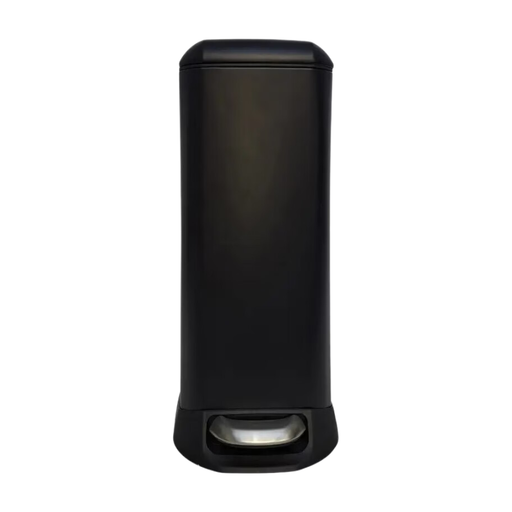
Why it suits this type of buyer: This compact pedal bin fits neatly in a bathroom, small kitchen or home office. Its 12-litre capacity keeps the overall dimensions small.
The capacity and dimensions are clearly stated, so you won’t end up buying a large bin for a small space. The removable inner bucket also makes it easier to take out a full bag.
12-litre capacity, foot pedal, soft-close lid and a matt black powder-coated steel body.
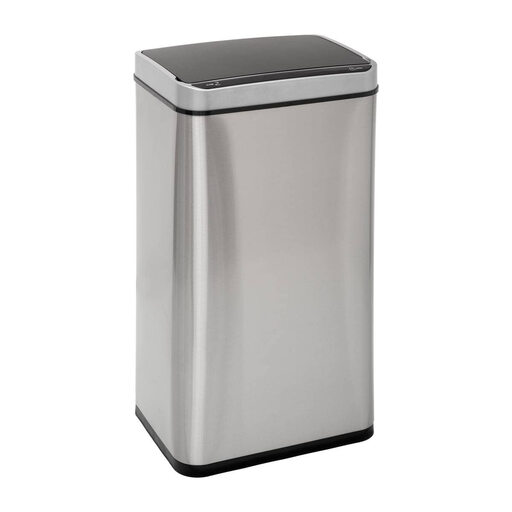
Why it suits this type of buyer: Ideal if you want to keep your kitchen or office tidy and regularly throw things away without touching the lid.
The product details list both the closed and open heights. The inner bucket is removable, too, so you can clean it without relying on the outer casing.
40-litre capacity, motion sensor, soft-close mechanism and an inner bucket with a handle.
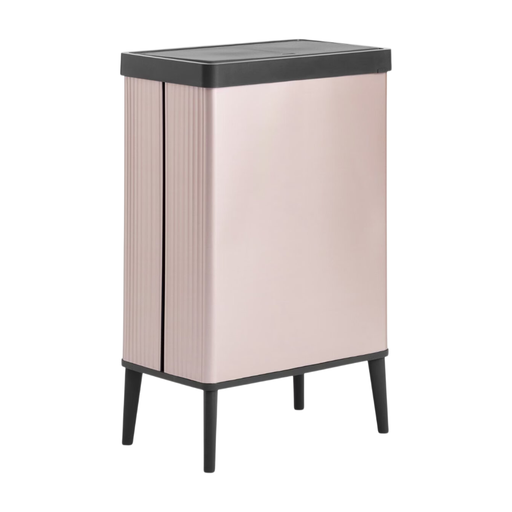
Why it suits this type of buyer: This spacious waste bin is designed for households or offices that produce more waste and don’t want to empty it every day.
The capacity and external dimensions are clearly stated. The rim conceals the waste bag, and according to the product description, the central divider can also hold two smaller bags.
54-litre capacity, touch-top lid, non-slip feet and a body made from 70% recycled plastic, according to the manufacturer.
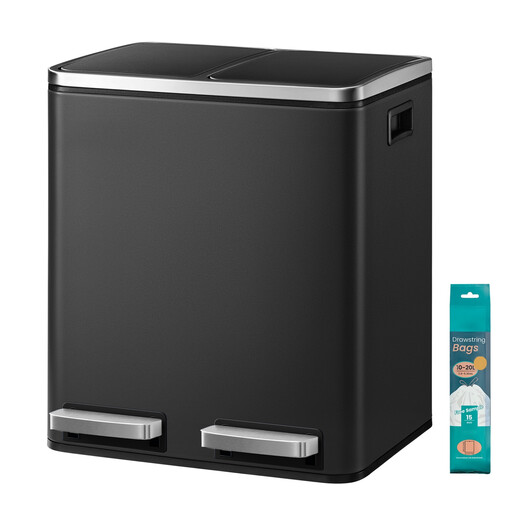
Why it suits this type of buyer: This double waste bin is designed for compact kitchens where general waste and recycling need to sit side by side.
The two separate compartments mean you won’t need to manage separate bins afterwards. Check in advance that the overall dimensions of 41.8 × 35.9 × 44.5 cm will fit.
Two 15-litre compartments, separate pedals, removable inner buckets and soft-close lids.
We’ve put together a complete, up-to-date list of products that meet these strict selection criteria and the applicable European safety regulations.
It depends on the number of people in your household and how often you take the waste out. A 40-litre model is often a practical choice for a small kitchen. A 54-litre waste bin is better suited to a larger household or if you want to empty it less often. Check the floor space as well as the height with the lid open.
A sensor bin usually needs batteries, whereas a pedal bin doesn’t. Running costs depend on battery life, how often the bin opens and which batteries you use. Check whether batteries are included and how easy it is to access the battery compartment.
First remove the waste bag, then wipe the inner bucket with lukewarm water and a mild cleaning product. Dry all the parts before fitting a new bag. Don’t use an abrasive sponge on steel, plastic or coated surfaces. If you have a sensor bin, keep the sensor window dry and free from dirt.
