
Vandaag of morgen in huis

Kwaliteit gegarandeerd

Welkomstaanbiedingen ontgrendelen: GRATIS bezorging | Tot 80% korting | Gratis 30 dagen JoyPlus-proefperiode
Download de app
Choosing a can of lychee drink, mango drink or guava juice might seem simple. Yet tropical fruit drinks vary widely in sugar content, fruit percentage, packaging and portion size. A striking label says little about what’s inside. Terms like “light”, “natural” and “no added sugar” also call for a careful check of the label.
With this practical selection guide, you can compare a tropical soft drink, exotic fruit drink or multipack based on the features that matter for everyday use.
A drink labelled “no added sugar” can still contain natural sugars from fruit. For example, Iam Superjuice Mango states that the drink contains no added sugar and is sweetened with steviol glycosides. The product information lists 17 kcal per 100 ml. That’s quite different from being completely sugar-free.
Always check:
If you’re consciously trying to drink less sugar, compare a sugar-free fruit drink or low-calorie drink based on the full nutritional profile, not just the front of the pack.
A mango, lychee or passion fruit drink doesn’t automatically contain a lot of fruit juice. Some products use fruit juice concentrate, flavourings or a small amount of purée. Iam Superjuice Lychee states 30% natural lychee juice according to the product description. FOCO Guava Juice contains 25% guava purée and 10 grams of sugar per 100 ml, according to the product specification.
That’s why it’s wise to compare the ingredients list and the fruit percentage side by side. A higher fruit percentage can give a more pronounced fruit flavour, but it doesn’t on its own tell you about calories or sweetness.
A 330 ml can is handy for a single chilled serving, while a 1.5-litre bottle is better suited to a meal or your store cupboard. A multipack of soft drinks is practical for a party, but takes up more space and may be less suitable if you want to try different flavours.
Pay attention to:
Ingredients are listed in descending order by quantity. If water comes first and fruit appears later, the product is mainly a flavoured drink or soft drink. That’s not necessarily a problem, but it helps you assess the flavour and composition more realistically.
Examples from the range:
Always compare the nutritional values per 100 ml. This stops a small portion from looking more favourable than a larger pack.
Some values from the product information:
A low-calorie soft drink may contain sweeteners. If you prefer to limit those, don’t just look at the calorie count.
Fizz works well with a meal, a party or a chilled drink on a warm day. A still exotic fruit drink is often easier to pair with breakfast, lunch or a homemade mocktail. Small cans of 190 to 350 ml are great for portion control. Larger multipacks are practical when several people are drinking the same flavour.

Why this fits the profile: The six-can pack is a manageable way to try Asian drinks for the first time, without committing to a large stock.
The product information clearly states 16 kcal and 3.5 grams of sugar per 100 ml. It also lists the 1% lychee juice concentrate, so you won’t mistake it for a fruit juice.
330 ml per can, carbonated and ideal served chilled. The 6-pack keeps your purchase simple and easy to manage.
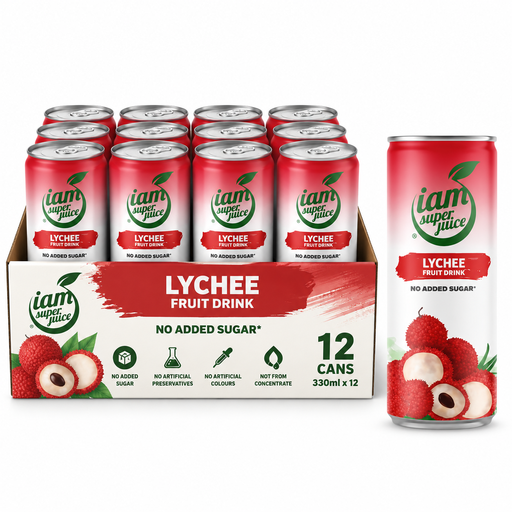
Why this fits the profile: This tray is aimed at shoppers who want a distinctive fruit drink and like to keep their home stock regularly topped up.
The product description states 30% natural lychee juice, no added sugar and 15 kcal per 100 ml. Check the current packaging for the full ingredients list.
12 cans of 330 ml, low in calories according to the product information and ideal chilled with meals.

Why this fits the profile: The 12 cans are practical for work, home, on the go or a gathering where multiple servings are needed.
The product information states 30% natural passion fruit juice, no added sugar and 17 kcal per 100 ml. This makes the relevant comparison points clear.
Fruity, sweet-and-sour flavour according to the product description, 12 × 330 ml and ready to drink chilled.

Why this fits the profile: Mango is an accessible choice for families, meals and shoppers looking for a milder tropical flavour.
The description states 30% mango juice, no added sugar and 17 kcal per 100 ml. The product information mentions steviol glycosides as the sweetener.
12 × 330 ml, 3.96 litres total volume and suitable for serving chilled or with ice.
If you prefer something fizzy, take a look at Calypso Yuzu Lychee Lemonade, available as a single 473 ml bottle or a 6-pack. This yuzu lemonade contains 46 kcal and 11 grams of sugar per 100 ml, according to the product information. For a classic Asian range, Maaza Lychee, Bundaberg Passionfruit and Fruit.B Tropical Pineapple are also available.
A soursop drink, mango drink or pink guava variant is more suited to those looking for a still fruit drink. Iam Superjuice Pink Guava states 30% pink guava juice, no added sugar and 16 kcal per 100 ml. Always check the current packaging, ingredients and nutritional values on each item before you order.
We’ve put together a full, up-to-date list of products that fully meet these strict selection criteria and comply with current European safety regulations.
That varies by brand and flavour. Iam Superjuice Lychee states 15 kcal per 100 ml, while the soursop variant contains 18 kcal per 100 ml. Always compare per 100 ml and per pack, because can sizes differ.
No. “No added sugar” means that no sugar has been added to the recipe, according to the product information. Fruit can naturally contain sugars, and sweeteners may have been used. So check the nutritional table and ingredients list.
Store unopened products in a cool, dry place away from direct sunlight and frost. Once opened, many drinks need to be refrigerated and consumed quickly. Always follow the storage instructions on the packaging.
