
Vandaag of morgen in huis

Kwaliteit gegarandeerd

Welkomstaanbiedingen ontgrendelen: GRATIS bezorging | Tot 80% korting | Gratis 30 dagen JoyPlus-proefperiode
Download de app
A lychee drink may seem easy to choose at first glance. However, Asian fruit drinks vary considerably in flavour, packaging, sugar content, texture and size. If you focus only on attractive packaging or words such as “tropical” and “natural”, you could end up buying a drink that is not right for how you intend to use it.
Whether you are looking for lychee drinks for home, a Japanese Ramune for a dinner party or a lychee multipack for the cupboard, check the points below first.
A label may mention lychee as a flavour, while the actual proportion of lychee juice is limited. For example, Jane Jane Lychee Soda lists 1% lychee juice concentrate. This gives the soft drink a light fruity flavour, but it is different from a lychee fruit drink with a higher fruit content.
By contrast, Rubicon Classic Lychee Delu lists 14% lychee puree. If you are looking for a more pronounced fruit character, it is therefore worth checking the ingredients list and the quantitative indication rather than relying on the product name alone.
A lychee soft drink may contain relatively few calories per 100 ml, but the total amount depends on the pack size. According to the product information, Jane Jane Lychee Soda contains 16 kcal per 100 ml, and one can contains 330 ml. Mogu Mogu Lychee with nata de coco is listed at approximately 47 to 54 kcal per 100 ml, depending on the product information.
Always compare the same measurement: per 100 ml and per pack. Also check the sugar, glucose-fructose syrup, sweeteners and fruit percentage.
A tray or box may offer a lower price per bottle or can, but it takes up more space. You may also find that you do not like the flavour after buying several at once. For a first taste, a single bottle or small pack is often more convenient. A multipack is a better choice when you already know you like the flavour, regularly drink lychee soda or need drinks for guests.
First, choose the type of drink:
For carbonated drinks, also check the storage instructions. An opened bottle or can is best consumed straight away; always follow the information on the packaging.
The volume determines how you can use the product:
Also consider the packaging. Cans are easy to hand out, while bottles or cartons may fit better in a fridge door or cupboard.
Check the current product packaging before buying. Online product information may be incomplete, and packaging can change. Pay particular attention to:
For example, according to the listed ingredients, HATA Lychee Ramune contains carbonated water, sugar, glucose syrup, citric acid and lychee flavouring. The 200 ml HATAKOSEN variant lists 39 kcal and 9.4 grams of sugar per 100 ml. These are verifiable product specifications, not an assessment of the taste or effects.
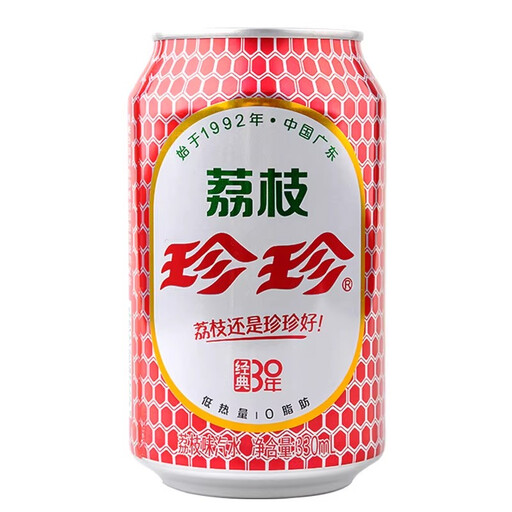
Why it suits this profile: A single 330ml can is an easy way to try lychee soda without ordering a large quantity straight away.
The product information lists 1% lychee juice concentrate and 16 kcal per 100 ml. This means you can assess the fruit intensity and nutritional values in advance.
330 ml per can, carbonated and, according to the product information, sweetened with sugar and sweeteners.
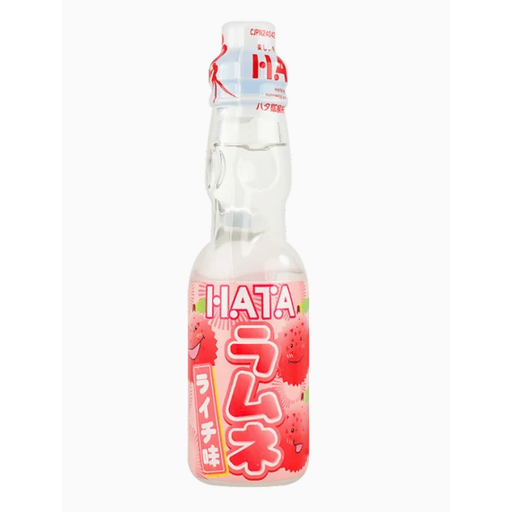
Why it suits this profile: This Japanese Ramune is ideal for anyone who values distinctive presentation and a small, chilled serving with Asian dishes.
The 200 ml size means you do not have to buy a large pack before discovering whether you like the sweet-and-sour lychee flavour.
Carbonated, 200 ml and, according to the ingredients list, made with lychee flavouring and citric acid.
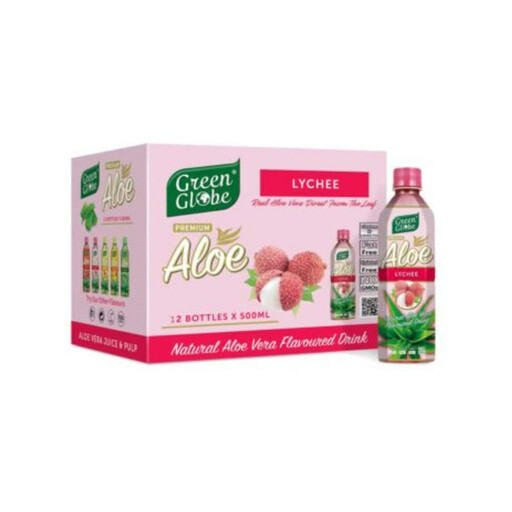
Why it suits this profile: The box of 20 500 ml bottles is designed for regular use, for example at home, in the office or at an event.
The volume and composition are clearly stated: 500 ml per bottle, aloe vera gel and natural lychee flavour according to the product information.
20 bottles of 500 ml and a distinctive texture from aloe vera gel; refrigerate after opening according to the label.
We have put together a complete, up-to-date list of products that fully meet these strict selection criteria and the applicable European safety regulations.
Lychee juice or lychee fruit drink generally contains lychee juice, puree or concentrate as a key part of its composition. Lychee soft drink usually contains carbonation and may be flavoured mainly with lychee flavouring. For the exact difference, check the ingredients list and the stated fruit percentage.
Always follow the instructions on the packaging. In many cases, an opened lychee drink should be refrigerated and consumed within a few days. Carbonated drinks usually taste best immediately after opening. Before drinking, also check that the seal was intact.
That depends on the price per litre, delivery costs and pack size. Divide the total price by the total number of millilitres for a fair comparison. A multipack is practical if you already know you like the flavour or are serving several people. For a first purchase, a single bottle, can or smaller pack may be the more economical choice.
