
Vandaag of morgen in huis

Kwaliteit gegarandeerd

Welkomstaanbiedingen ontgrendelen: GRATIS bezorging | Tot 80% korting | Gratis 30 dagen JoyPlus-proefperiode
Download de app
A lychee drink can vary enormously: sparkling lychee soda, lychee juice, a fruit drink with nata de coco, or a tropical blend with coconut water. The front of a bottle or can usually focuses on flavour and origin. As a result, it's less obvious how much lychee is actually inside, how much sugar the drink contains, or whether you're buying a single pack or a large box.
The following points will help you buy lychee drinks online more purposefully, without relying solely on flashy marketing claims.
Some drinks contain mostly water, sugar and flavouring. Other products list a specific percentage of lychee or fruit juice. According to the product information, Jane Jane Lychee Soda contains 1% lychee juice concentrate, whereas Rubicon Classic Lychee Delu states 14% lychee purée. That difference affects what you're buying: a soft drink with flavouring and a fruit drink with purée are not the same product type.
So, always check:
A low energy content can come from sweeteners, not from the absence of a sweet taste. Jane Jane Lychee Soda states 16 kcal and 3.5 g of sugar per 100 ml, alongside sweeteners. According to the nutritional information provided, HATA Ramune Lychee contains 39 kcal and 9.4 g of sugar per 100 ml.
Always compare the same unit, preferably per 100 ml. A 500 ml bottle can contain significantly more sugar in total than the label suggests per serving. Also look out for terms like glucose-fructose syrup, fructose, sugar and sweeteners.
A box of 12 or 20 bottles might seem handy for a party, office or family, but it does require enough storage space. Before you buy, check:
A lychee multipack is most practical when you use the drink regularly. For a first try, a single bottle or can might be a wiser choice.
A lychee soft drink, lychee soda or Ramune contains carbonation and has a fresh, zingy taste. HATAKOSEN Ramune Lychee comes in 200 ml bottles with the distinctive marble stopper. That makes the size ideal for an Asian meal, barbecue or party table.
A non-sparkling lychee juice or fruit drink generally has a softer flavour. Mogu Mogu Lychee contains nata de coco, also known as fruit jelly, giving it a visible texture. This is an important distinction if you're expecting a smooth drink.
Don't just look at the name "juice". Check whether the product contains juice, purée, concentrate or just flavouring. FOCO Coconut Water with Lychee states 5% lychee juice alongside coconut water. Rubicon states 14% lychee purée. With Mogu Mogu, the experience is mainly about the combination of lychee flavour and nata de coco.
Additives such as acidity regulators, stabilisers, colourings and preservatives can also appear in the ingredients list. According to the product information, HATA Ramune contains carbonated water, sugar, glucose syrup, citric acid and lychee flavouring. If you have allergies, always read the current label; the packaging may contain more or different information than an online product page.
Choose a size that suits your use:
Many products need to be refrigerated after opening and consumed within the stated period. Store unopened drinks according to the label, away from direct sunlight and heat. Check the seal and best-before date upon delivery.

Why this fits the profile: A 6-pack gives you several servings without committing to a large box straight away. The cans are ideal for serving chilled with meals or for guests.
The product information states 330 ml per can, 1% lychee juice concentrate and 16 kcal per 100 ml. This lets you check the size and composition in advance.
6 × 330 ml; carbonated; 3.5 g sugar and 16 kcal per 100 ml according to the product data.
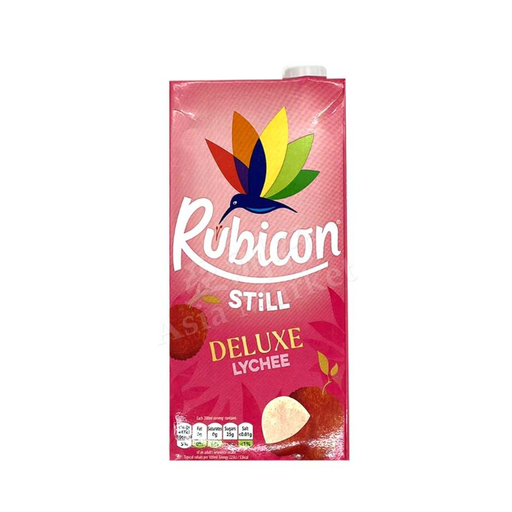
Why this fits the profile: For those looking for a larger fruit drink to serve chilled at home or pour into glasses.
The label states 14% lychee purée. That gives you more concrete information than a pack that only says "lychee flavour".
1 litre content; 14% lychee purée; 53 kcal and 13 g sugar per 100 ml according to the product information.
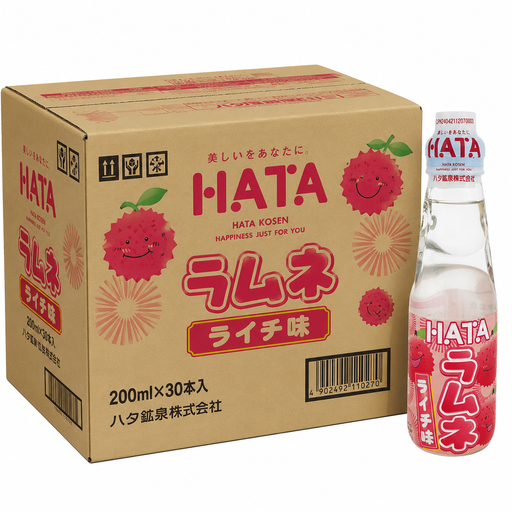
Why this fits the profile: A large stock of small Japanese Ramune bottles is ideal for party organisers, catering use, or fans of a striking serving experience.
The packaging clearly states 30 × 200 ml. So you're buying small portions rather than one large pack that needs to be drunk quickly after opening.
Japanese origin; carbonated; 39 kcal and 9.4 g sugar per 100 ml according to the data provided.
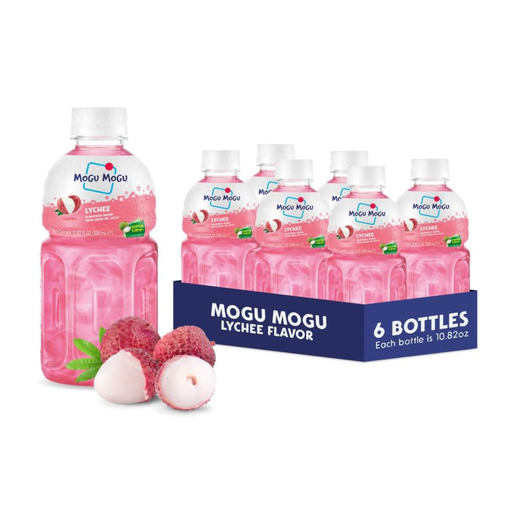
Why this fits the profile: The combination of lychee and nata de coco is ideal for anyone wanting more than a smooth soft drink and looking to share multiple servings.
The product name mentions the nata de coco and the quantity of 6 bottles. So the texture and amount are clear upfront.
6 × 320 ml; nata de coco for extra texture; approximately 47–54 kcal per 100 ml according to the data provided.
We've put together a full, up-to-date list of products that fully meet these strict selection criteria and comply with current European safety regulations.
No. Lychee juice contains juice, purée or concentrate; a lychee soft drink often contains carbonation, sugar, sweeteners and flavouring. Check the juice percentage on the label. A product can also be a combination, such as coconut water with lychee juice.
Always follow the instructions on the packaging. The product information for several of the drinks mentioned states that an opened bottle should be kept refrigerated and consumed within the stated period. Seal the pack tightly and check the seal before use.
For a party, small individual packs are practical. HATAKOSEN Ramune Lychee contains 30 bottles of 200 ml. A 6-pack of Jane Jane or Mogu Mogu with nata de coco is more suitable for smaller groups. As well as flavour, consider fridge space, total volume and the number of servings.
