
Livraison le jour même et le lendemain

Qualité garantie

Débloquez vos offres de bienvenue: Livraison GRATUITE | Jusqu'à -80 % | 30 jours d'essai gratuits à JoyPlus
Téléchargez l'application
Thai jasmine rice is popular with fans of curry, stir-fries and other Asian dishes. It’s known for its fragrant grains and soft texture when cooked. However, products can vary considerably in origin, packaging, grain structure and price per kilo.
If you focus only on words such as “premium”, “authentic” or “AAA”, you could end up with a bag that isn’t right for your needs. Use these checks to compare Thai Hom Mali rice, pandan rice and other fragrant rice varieties using information you can verify on the product label and product page.
Jasmine rice, pandan rice and fragrant rice are sometimes used as though they mean the same thing. But that doesn’t automatically mean the rice comes from Thailand or is Thai Hom Mali rice. Always check:
A product with “fragrant rice” in its name may be an aromatic variety, but it won’t necessarily have the same qualities as Thai jasmine rice.
An 18 kg bag of jasmine rice usually costs less per kilo than a 1 or 5 kg bag. However, you’ll need enough cool, dry storage space where the rice can be kept in a sealed container. In a damp cupboard or an opened bag, the rice may lose its aroma or become contaminated.
For a household that eats rice occasionally, a 5 kg bag of jasmine rice is often more practical. Families, caterers and restaurants may get better value from 10 or 18 kg bags, provided they use enough rice.
Words such as “healthy”, “restaurant quality” or “best taste” aren’t a substitute for an ingredients list or cooking instructions. A brand’s own research may suggest that a particular rice offers a specific aroma or texture, but treat this as a brand claim rather than an established fact.
Focus on product information you can check: weight, origin, ingredients, nutritional values, storage advice and cooking instructions.
If you’re looking for authentic Thai rice, check the origin first. The product information should clearly state whether the rice comes from Thailand. Thai Hom Mali refers to a well-known Thai jasmine rice variety. Check the exact wording on the packaging, as product names and descriptions can vary.
Not all fragrant long-grain rice is Thai jasmine rice. Vietnamese ST25 rice and Cambodian jasmine rice can also be aromatic, but come from different countries.
Jasmine rice is a long-grain rice that usually becomes soft and fragrant when cooked. The rice-to-water ratio varies by brand, cooking method and the texture you prefer. Follow the instructions on the packaging rather than using one fixed ratio for every variety.
For a fluffier result:
For rice to serve with curry, a soft, aromatic texture works well with sauces. For rice for nasi, cooled, firmer rice can be more practical, as the grains are less likely to stick together when stir-fried.
Don’t compare only the total price; check the price per kilo too. Also consider:
The product information for several of the varieties mentioned advises you to reseal the rice securely after opening. When it arrives, check that the packaging isn’t damaged and always refer to the label for the current best-before date.
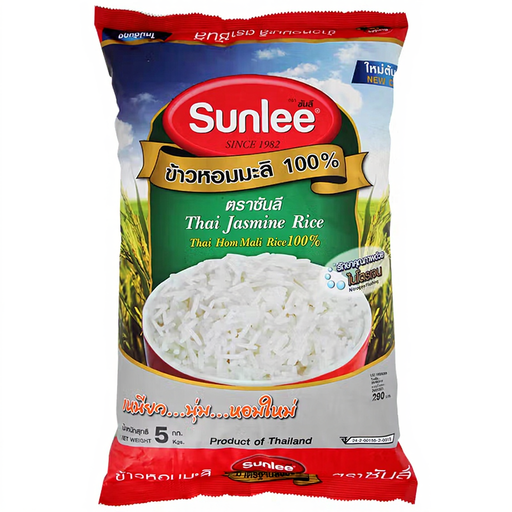
Why it suits this profile: The 5 kg bag is a manageable size for a household that regularly cooks Asian dishes but doesn’t want to stock up on a large quantity straight away. The product information lists Thailand as the origin and describes the rice as long-grain.
The product page lists the weight, grain shape, origin and ingredients. That means you don’t have to rely only on a general term such as “fragrant rice”.
5 kg bag, long-grain rice and product information listing 100% jasmine rice as the ingredient.
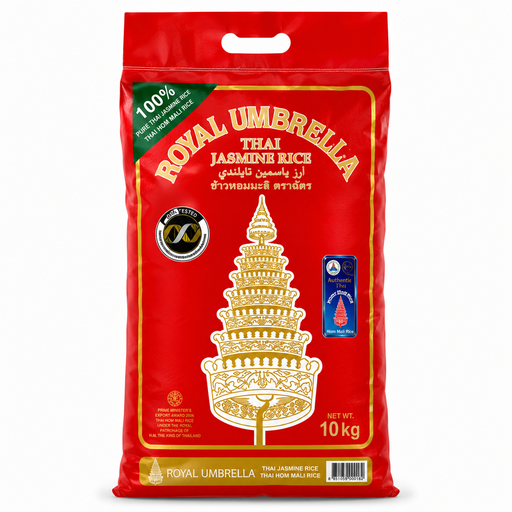
Why it suits this profile: This 10 kg bag is for anyone who serves rice frequently and is specifically looking for Thai Hom Mali with a soft, fragrant texture, as described on the product page.
The product information specifies 100% Thai Hom Mali jasmine rice, 10 kg and Thailand as the country of origin. This makes it easier to compare with products that have only a made-up name.
10 kg bag, listed as 100% Thai Hom Mali in the product information, and suitable for everyday meals, curry and grilled dishes.
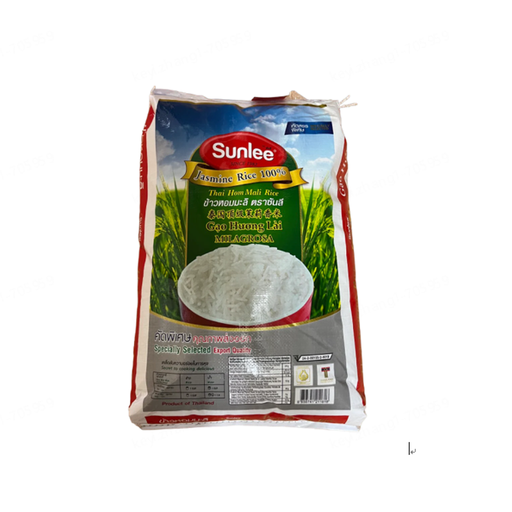
Why it suits this profile: This bulk bag is aimed at restaurants, caterers, large families and other users who get through a lot of rice.
The bag clearly contains 18 kg, and the product description mentions uses such as steamed rice and fried rice. Do make sure you have enough dry storage space before buying.
18 kg bulk size, listed as 100% Thai Hom Mali in the product information, and suitable for vegetarian and vegan dishes.
We’ve put together a complete, up-to-date list of products that meet these strict selection criteria and the applicable European safety regulations.
Rice is naturally gluten-free. Several of the products mentioned also state that they don’t contain any of the 14 major EU allergens. Always check the current ingredients list and allergen information on the packaging, particularly if cross-contamination is a concern or you follow a strict gluten-free diet.
Store the rice in a cool, dry place away from direct sunlight. Seal the bag securely or transfer the rice to a clean, airtight storage container after opening. Use the best-before information on the packaging as a guide, and don’t use the product if the bag is damaged.
Yes, you can use jasmine rice for nasi. Let the cooked rice cool and dry before stir-frying it. For a firmer result, follow the brand’s cooking instructions and avoid using too much water. For curry, the soft, fragrant texture of Thai jasmine rice is often a practical match.
