
Vandaag of morgen in huis

Kwaliteit gegarandeerd

Welkomstaanbiedingen ontgrendelen: GRATIS bezorging | Tot 80% korting | Gratis 30 dagen JoyPlus-proefperiode
Download de app
At first glance, jasmine rice seems simple enough: pick a bag, cook the grains and serve. Yet products differ in origin, packaging, grain structure and price per kilo. If you only look out for words like “premium”, “AAA” or “authentic”, you can sometimes pay more without really knowing what you’re getting for your money.
With this guide, you can compare jasmine rice based on verifiable product information. That way, you’ll find the right bag for curries, stir-fries, everyday meals or bulk use.
AAA jasmine rice sounds like a fixed quality standard, but its meaning can vary from brand to brand and market to market. When it comes to European product information, what really matters is what’s on the label:
So don’t just compare the front of the packet. A product labelled Thai Hom Mali or “Cambodian jasmine rice” should also be checked for the stated origin and ingredients.
A jasmine rice 18 kg, 20 kg or 10 kg bag can work out cheaper per kilo, but only if you use it in time. Once opened, the bag needs to be sealed properly and stored in a dry place. In a smaller household, a jasmine rice 1 kg or 2 kg bag may be more practical, even if the price per kilo is higher.
When comparing, work out:
Jasmine rice is naturally a fragrant long-grain rice. Its aroma and softness after cooking are influenced by origin, harvest, storage, rinsing and the amount of water you use. Claims about aroma or flavour are therefore no guarantee for every kitchen. According to the product information from the brands, some varieties are described as soft, fluffy or naturally aromatic. See this as a product characteristic, not a fixed result for every preparation.
Thai jasmine rice and Cambodian jasmine rice have similar uses, but you may notice differences in aroma, grain and texture. Thai Hom Mali rice is typically linked to Thailand in product information. Always check the country of origin on the packaging.
For curries, steamed rice and everyday Asian meals, both Thai and Cambodian varieties work well. If you want to recreate a specific cuisine, you can match the origin to the recipe.
With pure jasmine rice, the ingredients list should usually consist of just one ingredient, for example 100% Thai Hom Mali Jasmine Rice or 100% Cambodian jasmine rice. Always check the packaging yourself though. Several products in the range state that they contain none of the 14 major EU allergens and are gluten-free. The actual packaging remains the final authority.
Gluten-free rice is naturally suitable for many gluten-free diets, but if you have allergies, also watch out for possible cross-contamination and check the official allergen information.
Choose the size based on how much you use:
Also pay attention to the closure and storage. Keep rice in a cool, dry place, away from direct sunlight and away from heat and moisture. Once opened, an airtight storage container is a good idea.
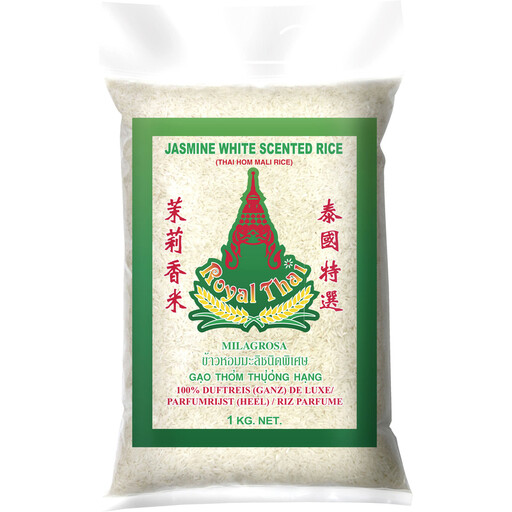
Why this fits the profile: The 1 kg bag limits the risk of buying a large stock before you know whether this rice suits your cooking style.
You don’t have to go for a bulk pack straight away. The product information states Thailand as the origin and a net weight of 1 kg.
100% jasmine rice according to the product listing; size suitable for smaller households and first-time purchases.
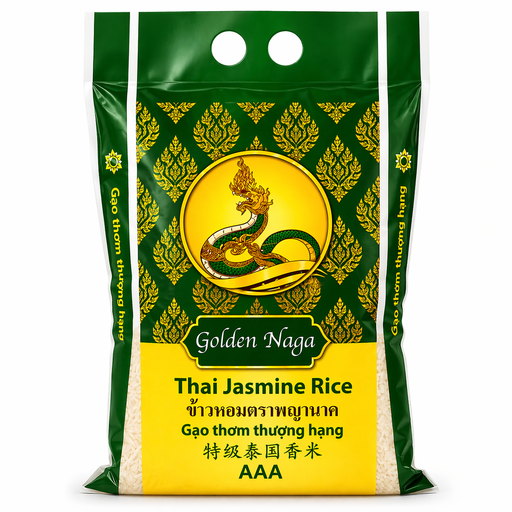
Why this fits the profile: This variety combines Thai origin, a 4.5 kg bag and a specified AAA label for those who care about product details.
The listing states the origin, the type of long-grain rice, the weight and 100% jasmine rice. This lets you compare the purchase more concretely than relying on marketing language alone.
Thai origin; 4.5 kg bag; product information mentions AAA quality and suitability for curries, stir-fries and rice side dishes.
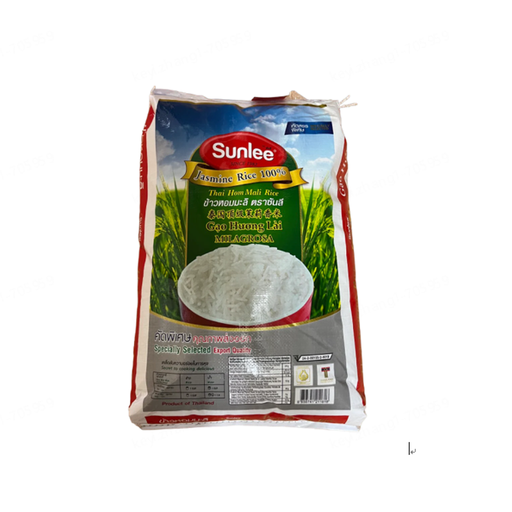
Why this fits the profile: The large size is aimed at restaurants, caterers, large families and other bulk users.
The net weight is clearly stated. This helps with a fair price-per-kilo comparison with bags of 10 kg, 20 kg or 4.5 kg.
18 kg bulk bag; according to the product information, 100% Thai Hom Mali rice; suitable for steamed rice, fried rice and Asian dishes.
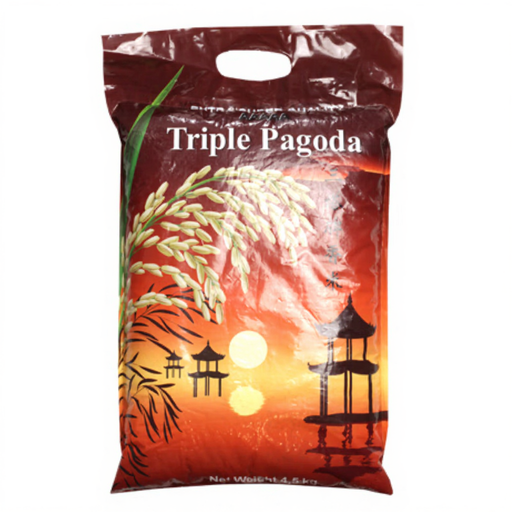
Why this fits the profile: The 4.5 kg bag offers a medium size for families who eat rice regularly and are looking for a Cambodian variety.
The listing states Cambodia as the origin, 4.5 kg as the net weight and longgrain jasmine rice as the product type.
Cambodian origin; 4.5 kg bag; product information states 100% long jasmine rice.
We’ve put together a full, up-to-date list of products that fully meet these strict selection criteria and comply with current European safety regulations.
Store an opened bag in a well-sealed container. Keep the rice in a dry place, not next to an oven, dishwasher or damp sink. Before use, check the packaging for damage and follow the brand’s cooking instructions.
For an even result:
The right ratio can vary from product to product. So don’t automatically use the same amount of water as you would for basmati or brown rice.
Yes. The soft, fragrant grain goes well with Thai, Indian and other Asian curries. Jasmine rice is also commonly used for stir-fries, rice bowls and steamed meals.
Uncooked white rice generally has a long shelf life when stored dry and sealed. Always check the date on the packaging. Once opened, cool, dry storage and an airtight container are important to prevent moisture and contamination.
For occasional cooking, 1 kg is usually enough. Families and regular home cooks can choose a 4.5 kg bag. A jasmine rice 10 kg, 18 kg or 20 kg bag makes sense mainly when you use a lot of rice, for example in a restaurant, catering kitchen or large household.
