
Vandaag of morgen in huis

Kwaliteit gegarandeerd

Welkomstaanbiedingen ontgrendelen: GRATIS bezorging | Tot 80% korting | Gratis 30 dagen JoyPlus-proefperiode
Download de app
Jasmine rice is popular with fans of Thai curry, stir-fries, rice bowls and everyday meals. Yet not every bag labelled “fragrant rice” looks the same at first glance. Origin, rice variety, grain structure and pack size all help determine whether the rice suits your cooking style.
For home cooks, a smaller pack is often more practical. Large families, restaurants and caterers are more likely to consider stock levels, storage and cost per kilo. These checks will help you avoid paying for a vague quality claim or choosing a pack that does not match your consumption.
Words such as “fragrant”, “AAA” and “premium” do not tell you much on their own. Check the ingredients list and country of origin. A product labelled 100% Thai Hom Mali Jasmine Rice, ST25 Fragrant Rice or 100% Cambodian jasmine rice gives you more confidence than a general description alone.
Also look out for the difference between Thai jasmine rice, Cambodian jasmine rice and Vietnamese ST25 rice. They come from different origins and varieties, so their aroma and texture may vary.
A large pack of jasmine rice is only good value if you use rice regularly and can store it in a dry place. An 18 kg or 20 kg bag takes up more room than a 5 kg pack of jasmine rice. In a small kitchen, a large bag can be inconvenient if you do not have a suitable airtight storage container.
Jasmine rice is an aromatic long-grain rice that can become soft and separate, or slightly sticky, once cooked. This makes it suitable as a side dish with curries, stir-fries and grilled meat. Sushi rice, however, is a different category, with shorter, rounder grains and greater stickiness. Basmati generally has a different aroma and a drier, airier texture.
For a recognisable Thai aroma, look for Thai Hom Mali rice. Products carrying this designation are intended to be traditional Thai jasmine rice. Where possible, check that Thailand is listed as the country of origin.
Vietnamese ST25 rice is an alternative if you would like to try an aromatic Vietnamese long-grain rice. Double Panda’s product information, for example, states 100% ST25 Fragrant Rice from Vietnam. Cambodian varieties, such as Golden Naga or Red Dragon, are also aromatic long-grain rices, but have their own origin and product descriptions.
Look out for terms such as long grain, “soft”, “light” or “fluffy”. These descriptions come directly from product information, but the final result also depends on rinsing, the water-to-rice ratio, cooking method and resting time.
For rice used in Asian dishes, it is sensible to follow the instructions on the packaging. Rinse the rice when advised and leave it to rest for a few minutes after cooking. If you are using a rice cooker, follow the ratio on the label, as this can vary from one product to another.
Choose the pack size based on how much you use:
Store the bag in a cool, dry place, away from direct sunlight, heat and moisture. Once opened, a well-sealed storage container will help preserve the aroma and product quality. Always check the packaging for damage and refer to the label for the best-before date and preparation instructions.
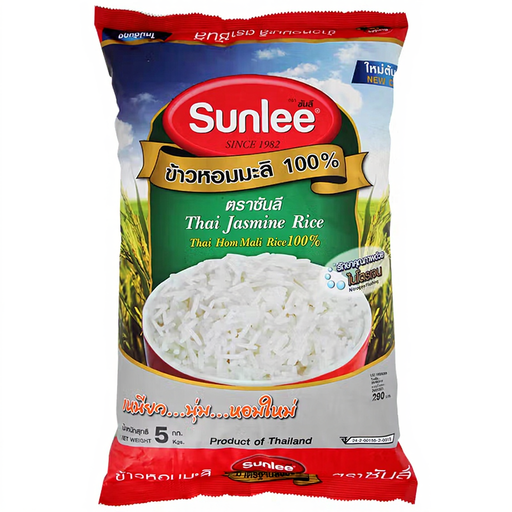
Why it suits this profile: The 5 kg pack is manageable for households that regularly eat jasmine rice, without immediately committing to a food-service size.
The product information states 100% long grain jasmine rice, origin Thailand and a specific weight of 5 kg.
Thai origin, long grains and a size suited to everyday use.
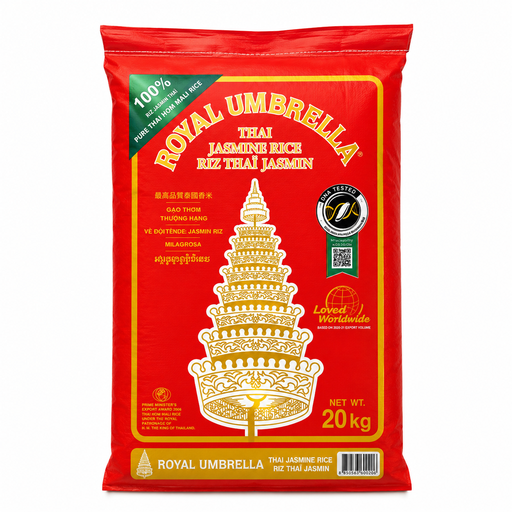
Why it suits this profile: This large bag is aimed at shoppers who specifically want Thai Hom Mali and have enough storage space.
The product listing specifies 100% Thai Hom Mali Jasmine Rice and states Thailand as the country of origin.
20 kg bulk pack and a clearly specified rice variety for high-volume use.
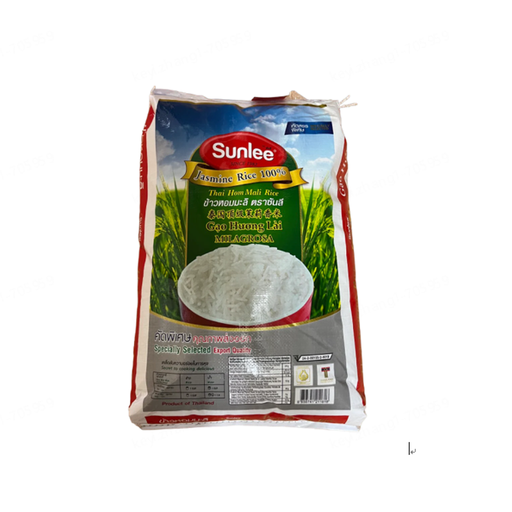
Why it suits this profile: The 18 kg pack is suitable for restaurants, caterers, large families and other users with high rice consumption.
The pack size is clearly specified, and the product description mentions steamed rice, fried rice and Asian dishes.
100% Thai Hom Mali Jasmine Rice, long grains and 18 kg for high-volume use.
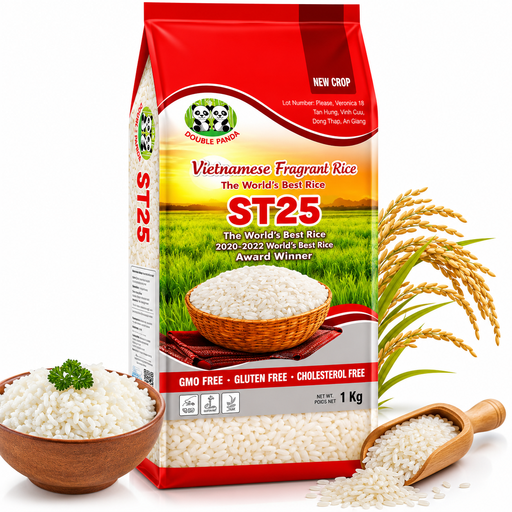
Why it suits this profile: A compact pack for trying Vietnamese ST25 rice in rice bowls, stir-fries and other Asian meals.
The product information explicitly states ST25 Fragrant Rice, long grains, Vietnam and 100% rice.
1 kg pack, suitable for cooking in a rice cooker, steaming or boiling.
We have put together a complete, up-to-date list of products that fully meet these strict selection criteria and the applicable European safety regulations.
No. Both are long-grain rices, but the variety and origin are different. Jasmine rice is often associated with Thailand, Cambodia or Vietnam and, according to product descriptions, has an aromatic, soft texture. Basmati is mainly associated with India and Pakistan and is known for its longer, airier grains. Choose based on the dish and the texture you want.
As a general guide, allow around 75 to 100 grams of uncooked rice per adult. You will often need less for a side dish, while a rice bowl or buffet may require more. When cooking larger quantities, also allow extra room in the pan or rice cooker, as rice expands during cooking.
Unopened rice will generally keep until the date shown on the packaging, provided you store the bag in a dry, cool place away from direct sunlight. Once opened, a sealed storage container is useful for limiting moisture, odours and contamination. Always check the packaging and follow the manufacturer’s information.
