
Vandaag of morgen in huis

Kwaliteit gegarandeerd

Welkomstaanbiedingen ontgrendelen: GRATIS bezorging | Tot 80% korting | Gratis 30 dagen JoyPlus-proefperiode
Download de app
Craving a quick, flavourful, and spicy meal? You'll often reach for a pack of instant noodles. The selection is vast, from Japanese soba to Korean classics and noodles with intense chili oil. But each package promises more heat and flavour than the last. Unfortunately, this often leads to disappointment: a watery sauce, limp noodles, or a 'spiciness' that's nowhere to be found.
As a Joybuy Product Recommendation Officer, I see daily how marketing claims cause confusion. Before you stock your pantry, it's smart to know what to look for. We'll discuss the two most common pitfalls and how to avoid them.
To avoid a bad purchase, you can look for a few objective characteristics. These specifications on the packaging tell you much more than the marketing slogans on the front.
Not all noodles are created equal. The texture and shape determine how the sauce is absorbed and what the overall eating experience will be.
The origin of the peppers and the composition of the sauce determine the type of spiciness.
How you prepare the meal is crucial for convenience and the final result.
Based on these objective criteria, we have selected a few options that suit different preferences.
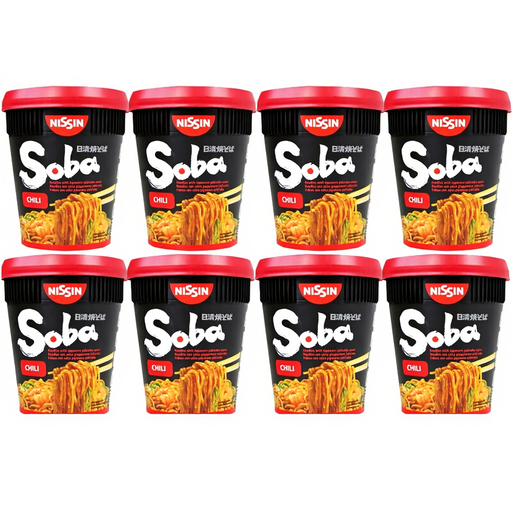
Why This Fits Their Persona: Perfect for students or young professionals who want a quick, reliable, and flavourful lunch without any fuss. The cup packaging means no extra dishes, and the meal is ready in minutes.
The spiciness of Nissin Soba is present but balanced, helping you avoid the "Extra Spicy" pitfall. It's an approachable heat that doesn't overpower the flavour.
The soba noodles offer a firmer bite than standard instant noodles. The 'dry' preparation in the cup ensures a concentrated sauce that clings well to the noodles.
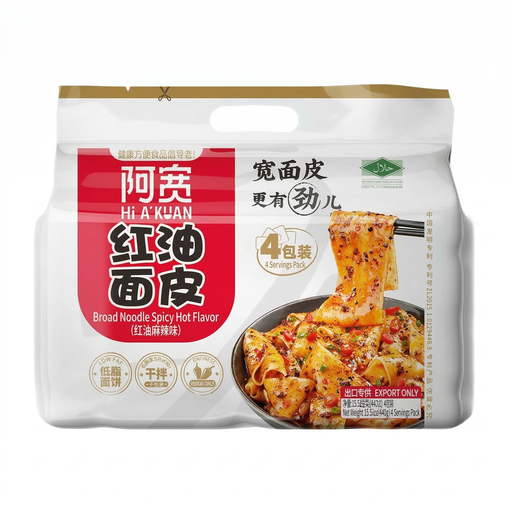
Why This Fits Their Persona: For the adventurous eater looking for more than just a quick bite. The focus here is on the unique, elastic texture of the broad, non-fried noodles—an experience you won't easily find in a standard supermarket.
This product directly tackles the 'limp noodles' pitfall. The non-fried, broad noodles retain their firm and satisfying bite after preparation.
The authentic Sichuan-style chili oil sauce is rich and complex. The preparation (soaking in hot water) is simple and doesn't require a stovetop.
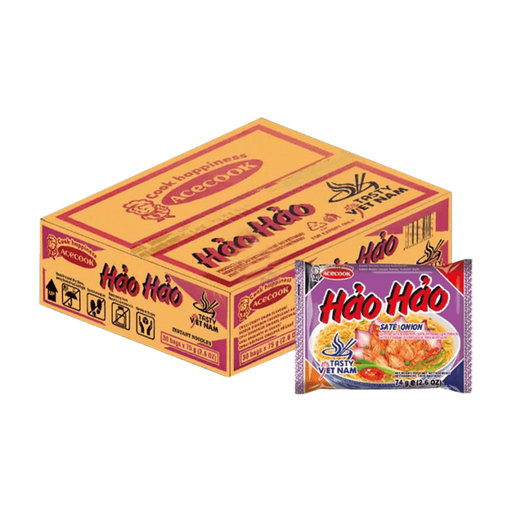
Why This Fits Their Persona: Ideal for those who like to keep a well-stocked pantry. This bulk pack offers excellent value for money and ensures you're never without a quick, spicy meal. Perfect for families or student housing.
The addition of crispy onion provides an extra dimension of texture and flavour, preventing the meal from becoming monotonous, even if you eat it often.
A box of 30 servings offers tremendous convenience and value. The flavour is a savoury and mildly spicy combination that appeals to a broad audience.
We have compiled a complete, up-to-date list of products that meet these selection criteria. Find the perfect spicy noodles for your taste.
A simple way to upgrade your quick spicy meal is by adding fresh ingredients. Think of a soft-boiled egg, some finely chopped spring onions, bean sprouts, or some leftover chicken or tofu. A dash of soy sauce or a spoonful of peanut butter can also enrich the sauce.
Generally, Korean noodles get their spiciness from gochujang or gochugaru, resulting in a deep, robust, and often slightly sweet heat. Japanese spicy varieties, like Nissin Soba with chili, more often use a balanced blend of spices (togarashi) that provides aroma alongside the heat, without necessarily being extremely hot.
As with many convenience foods, it's wise to eat instant noodles in moderation. They can be relatively high in salt and saturated fat. Pay attention to the nutritional information on the packaging. Non-fried noodles are often a lighter choice. By adding fresh vegetables yourself, you can make the meal more nutritious.
