
Same-day & Next-day Delivery

Quality Guaranteed

Unlock Your Welcome Offers: FREE Delivery | Up to 80% OFF | Free 30-day JoyPlus trial
Download the APP
Spicy instant noodles are convenient for a quick meal, but not every pack suits every eater. If you only look at a striking chilli image, you could end up with noodles that are too salty, unclear allergen information or a portion that is not very filling. By comparing the right factors, you can make a more informed choice between Korean noodles, Chinese noodles, Sichuan noodles and other Asian instant noodles.
A product may be hot because of chilli powder, but it can also be aromatic, sour, sweet or tingling due to Sichuan pepper. In mala noodles, mala refers to a combination of spiciness and a slightly numbing or tingling sensation. Chongqing noodles and Dan Dan noodles often use chilli oil, sesame, spices and Sichuan pepper. Korean varieties more commonly have a sweet and spicy sauce, as found in fire chicken noodles.
So do not just look for words such as “hot” or “spicy”. Check the ingredients and the type of seasoning: chilli oil, vinegar, sesame, Sichuan pepper and, where applicable, a stock base give you a better idea of what to expect.
A noodle multipack is practical for students, families or anyone stocking the cupboard. However, portion sizes and preparation methods vary. A 65-gram pack is not the same as a 114- or 135-gram bag. Compare the price per portion and the total weight, rather than just the number of packs.
Also check the best-before date. Do not buy a large stockpile without checking that you will use the portions within the recommended period. Store dried noodles according to the label: generally in a cool, dry place away from direct sunlight.
Some instant noodles are ready after soaking in boiling water for five minutes. Other Chinese noodles need to be boiled for three to eight minutes. A microwave bowl works differently again. If you only use a kettle, it is best to choose a product with clear soaking instructions.
With dried noodles served with sauce, you often need to drain the water completely. With soup noodles, a specific amount of cooking water or stock remains in the bowl. Follow the instructions on the packaging carefully for the right texture and flavour.
Use this overview as a practical checklist:
Also always check the allergens. Wheat, soya and sesame are common in this product category. Some varieties also contain mustard, peanuts or egg. Product information may vary between packs or import batches. Always read the physical label before use, particularly if you have an allergy or intolerance.
An individual portion is suitable for lunch, a snack or a quick meal. A pack containing four or five portions is better suited to regular use. For larger households, multipacks from 500 grams to over 1 kilogram may be appealing, but compare the storage space required and the shelf life.
A bowl version is handy when you do not want to use a pan. A bag version is often more flexible: you can prepare the noodles in a pan and add your own toppings. With a bag version, check how much water is needed and how many separate sachets of oil, powder, vinegar or vegetables are included.
Instant noodles often contain several flavourings. Therefore, check the nutritional values per 100 grams and per portion. The amount of salt can vary considerably between products. The nutritional value of the dried noodles is also not always directly comparable with that of a prepared portion.
You can adjust the flavour yourself by not adding all the chilli oil or sauce straight away. For example, add egg, spring onion, cucumber, coriander or peanuts if these fit your diet. These additions change the meal, but do not automatically make a product healthier; always check the full ingredients list.
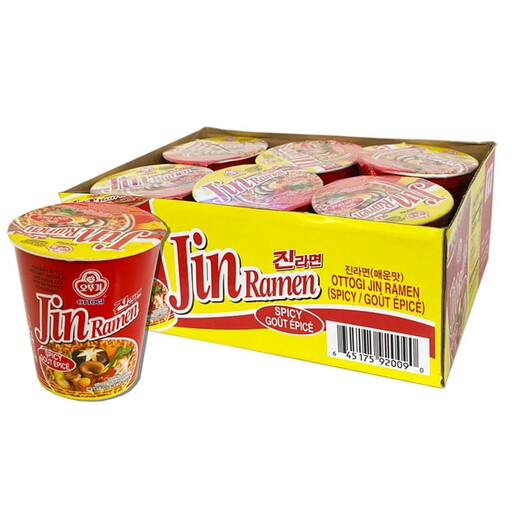
Why it suits this profile: Six portions give students and smaller households an easy introduction to Korean instant noodles.
The weight and number of portions are clearly stated. However, check the current packaging and allergen information before buying.
Korean soup noodles, six individual bags and preparation that is suitable for a quick meal.
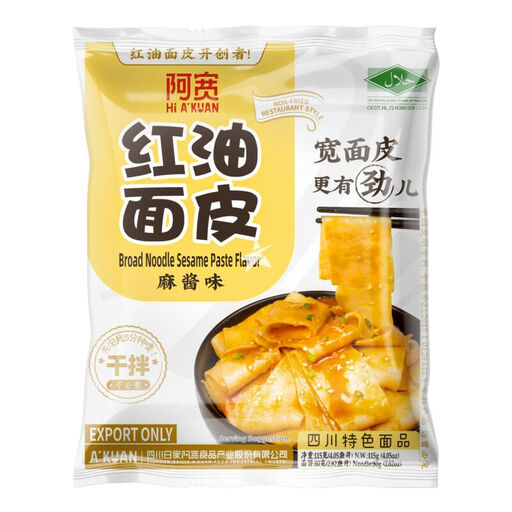
Why it suits this profile: For those who value wide noodles, sesame paste and red chilli oil more than a traditional soup base.
The preparation method states that the noodles should be soaked for five to six minutes and then drained. The allergens wheat, soya and sesame are listed.
Non-fried wide noodles and separate sachets of sesame paste, chilli oil and vinegar.
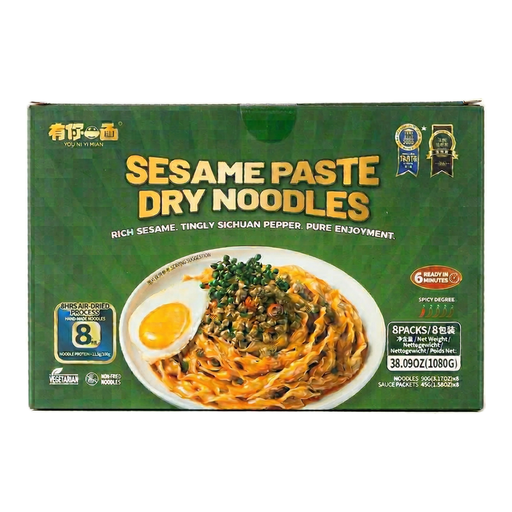
Why it suits this profile: A generous supply for fans of Sichuan pepper, wide noodles and regular use at home.
The packaging states that it contains eight portions totalling 1080 grams. This makes the total amount clear in advance.
Eight individual portions, wide noodles and a sauce with sesame, chilli and Sichuan pepper.
We have put together a complete, up-to-date list of products that fully meet these strict selection criteria and the applicable European safety regulations.
First check whether the packaging allows the noodles to be soaked in boiling water. For wide noodles, this is often five to six minutes. Place the noodles in a heatproof bowl, pour over boiling water and cover the bowl. Then drain the water if you are making dry noodles and stir in the sauce. Do not use lukewarm water, as the noodles may cook unevenly.
The official best-before date is printed on the packaging. Store unopened products in a cool, dry place away from direct sunlight. Once opened or prepared, noodles should generally be eaten immediately. With multipacks, check that all the bags are intact and follow the specific storage instructions on the label.
It depends on the product. Divide the total price by the number of portions and also compare the weight per portion. A multipack can be convenient for keeping a regular supply, while individual bowls may be more suitable if you want to try different flavours. As well as price, consider the preparation method, allergens and the amount of sauce per portion.
