
Vandaag of morgen in huis

Kwaliteit gegarandeerd

Welkomstaanbiedingen ontgrendelen: GRATIS bezorging | Tot 80% korting | Gratis 30 dagen JoyPlus-proefperiode
Download de app
Fancy some spicy instant noodles, but not sure which pot or cup is right for you? The range stretches from Korean instant noodles with chilli sauce to Chinese mala noodles with Sichuan pepper. The preparation also varies: some products are made with boiling water, while others need the microwave.
If you only look at the packaging or a catchy flavour name, you could be in for a surprise. Below, you’ll find the points to check before you buy spicy ramen, noodles in a bowl or an instant ramen cup.
Spiciness can come from chilli powder, chilli sauce or chilli oil. With Korean products, the emphasis is often on a powerful sauce. Chinese mala noodles typically combine chilli with Sichuan pepper, which, according to the product description, gives a tingling and numbing sensation in the mouth.
So check whether you’re getting a dry sauce, broth or oil with spices. A creamy variant, such as Samyang Carbonara or Cheese, can round out the flavour, but it’s still a seasoned noodle meal.
A pack of 100 to 115 grams can look generous, but always check the net weight and the nutritional information per serving. A small cup of 65 to 70 grams is handy as a snack or light lunch. A bowl of around 100 grams is more suited to a hearty quick meal.
Also pay attention to the salt content. Product information might show values of around 2.3 to 6.7 grams of salt per 100 grams, depending on the product. The exact value can vary per pack, so use the current label information as your guide.
With many noodles, you only need to add boiling water and wait a few minutes. Other varieties need to be drained and mixed with sauce. Udon bowls, on the other hand, may require microwave preparation.
A product intended for use at the office or in a student room isn’t practical if there’s no microwave or colander available. Before you buy, check:
Spicy ramen such as Nongshim Shin Ramyun are usually made with a seasoned broth. Samyang Buldak noodles feature in the range as noodles with a concentrated sauce. With A Kuan, Awang and Baijia, chilli oil, vinegar and Sichuan pepper play a bigger role.
Choose a broth when you’re after a warm, savoury bowl. Go for a sauce variant if you prefer to drain the noodles and have the flavour cling more strongly to them.
Wheat noodles often have a firm, springy bite. Wide noodles, such as A Kuan Red Oil Broad Noodle, offer a different mouthfeel from thin ramen. Sweet potato vermicelli, according to the product description, has a soft, chewy texture. Udon is thicker and, with some products, requires microwave preparation.
Texture matters if you want to add egg, pak choi, spring onion or other ingredients to your noodles. Always check the allergens before you add anything.
Many products contain wheat and gluten. In addition, soya, sesame, milk, mustard, peanuts and sometimes egg are present. Products with chicken, beef or seafood flavour may contain ingredients of animal origin.
The information on the website may differ from the packaging. So before consuming, read the label, the allergen declaration, preparation instructions and best-before date. Do not use a pack if it is damaged.
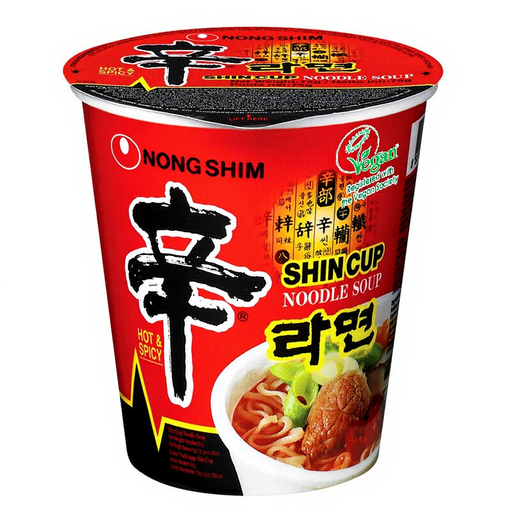
Why this fits the profile: The cup is practical for work, study or a quick snack. You just add hot water and leave the noodles for 3 to 5 minutes.
The preparation method is clear and requires no draining. Do check the current nutritional and allergen information on the packaging.
Cup format, preparation with hot water and a spicy broth with chilli, garlic and savoury flavour notes according to the product description.
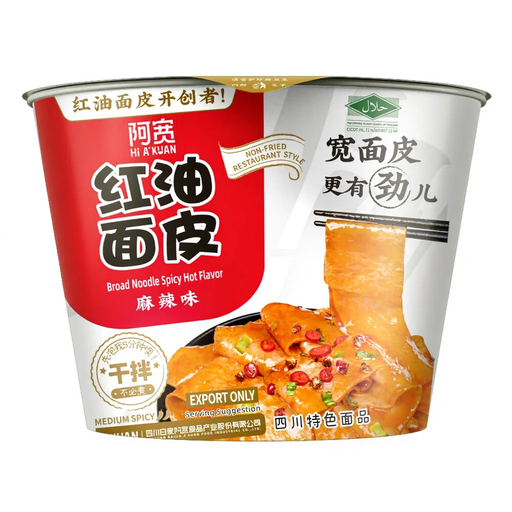
Why this fits the profile: Ideal for fans of wide, non-fried noodles with chilli oil, vinegar and a mala profile.
The product information gives clear preparation instructions: soak for 5 to 6 minutes, drain and then mix in the sachets.
110 grams per bowl, wide springy noodles and multiple flavour components such as chilli oil and vinegar.
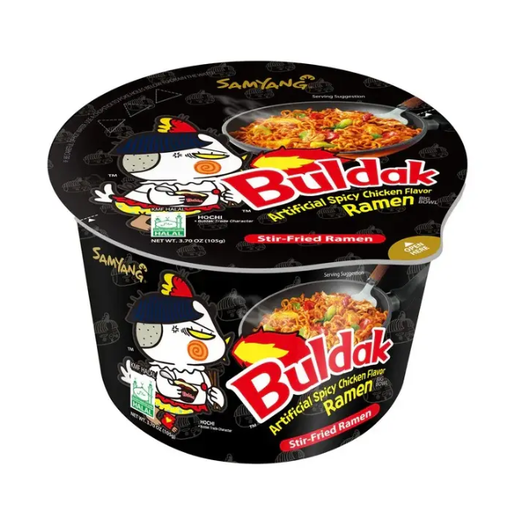
Why this fits the profile: A generous Korean bowl for anyone looking for a concentrated spicy chicken flavour and firm noodles.
The bowl contains a 105-gram serving and the instructions explicitly mention boiling water, adding the sauce and waiting a few minutes.
Bowl format, chewy noodles and a sauce with chilli, soya, garlic and chicken extract according to the ingredients list.
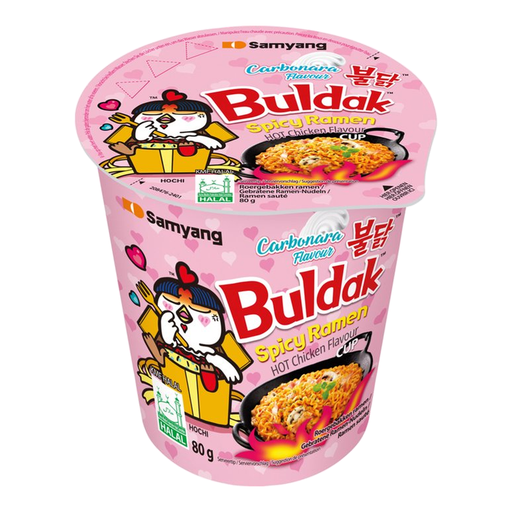
Why this fits the profile: For those who want to combine spicy Korean ramen with a creamy carbonara flavour in a compact cup format.
The flavour direction is clearly described as spicy chicken with carbonara. Check milk, soya and wheat allergens on the current label.
80 grams per cup, preparation with hot water and a combination of chilli sauce and carbonara powder.
We’ve put together a full, up-to-date list of products that fully meet these strict selection criteria and comply with current European safety regulations.
It varies by product. With a cup, you usually pour boiling water up to the indicated line and wait 3 to 5 minutes. Some bowls need to be drained before you add the sauce. Always follow the preparation instructions on the packaging.
Check the date on the packaging and store unopened noodles in a cool, dry place away from direct sunlight. Once opened or prepared, it’s best to consume them straight away. Do not use a product with damaged packaging.
That depends on the portion size and your own eating habits. A cup of 65 to 70 grams can be practical as a snack or light lunch. A bowl of around 100 grams is larger, but doesn’t automatically contain all the food groups you’d want in a complete meal. You can supplement the noodles with vegetables or an egg, as long as this fits your preferences and any allergies.
