
Vandaag of morgen in huis

Kwaliteit gegarandeerd

Welkomstaanbiedingen ontgrendelen: GRATIS bezorging | Tot 80% korting | Gratis 30 dagen JoyPlus-proefperiode
Download de app
Buying shampoo seems simple, until you have to choose between shampoo for dry hair, oily hair, fine hair or coloured hair. Marketing terms such as “natural”, “repairing” and “volume” sound appealing, but they only become meaningful when you consider them alongside the ingredients list and your own hair needs.
As a Joybuy Product Recommendation Officer, I filter product information based on practical points: what is the shampoo intended for, which ingredients and properties are listed, and is the packaging suitable for how you use it? This helps you avoid paying for a formula that is not right for your hair.
A shampoo containing natural extracts is not automatically completely natural, vegan or free from sulphates and silicones. For example, Palmolive Fresh & Volume lists citrus extracts of 100% natural origin, but also contains cleansing ingredients such as sodium laureth sulphate. Always check the full ingredients list and individual product claims.
A volumising shampoo can temporarily make hair feel lighter and airier, while a nourishing shampoo can make it feel softer and smoother. A formula for oily hair is not automatically suitable for dry hair. Choose based on your main need:
A 300 ml bottle may seem cheaper than a shampoo multipack, but the price per 100 ml gives you a fairer comparison. A multipack is particularly practical when several members of the household use the same formula or when you follow a consistent haircare routine. Also check the period after opening, for example the “6M” or “12M” symbol.
Do not just compare 250, 300, 350 or 400 ml; also consider how much you use per wash. Long hair generally requires more product than short hair. An 800 ml bottle, such as Dancoly Lavender Full Energetic Shampoo, can be practical for frequent use, but is less convenient if you like to switch formulas regularly.
When buying a multipack, calculate the total volume. The Syoss Oleo and Repair packs each contain 6 bottles of 440 ml, making 2,640 ml in total. However, check that the formula is suitable for everyone who will be using it before buying in bulk.
Sulphates such as sodium laureth sulphate cleanse effectively, but some consumers deliberately choose a sulphate-free shampoo. This may suit a sensitive haircare routine or curly hair, for example. A sulphate-free formula may lather differently; less lather does not automatically mean less cleansing.
Silicone-free shampoo is another popular option. Silicones can make hair feel smooth, but if you prefer a lighter or more minimalist routine, a silicone-free alternative may be worth considering. Andrelon Pro Nature Bamboo and Andrelon Pro Nature Coconut state that they are free from sulphates and silicones.
Pay attention to the difference between a verifiable product specification and a brand promise. According to Syoss’s own research, the Repair formula can reduce hair breakage by up to 90% when used with the matching conditioner. This is a brand claim under specific usage conditions, not a general guarantee for every user.
Gliss-Kur Ultimate Color states that colour protection lasts for up to 40 washes. This is also information supplied by the brand and may depend on factors including hair colour, the colouring base and your washing routine. Use claims like these as additional information, rather than the only reason to choose a product.
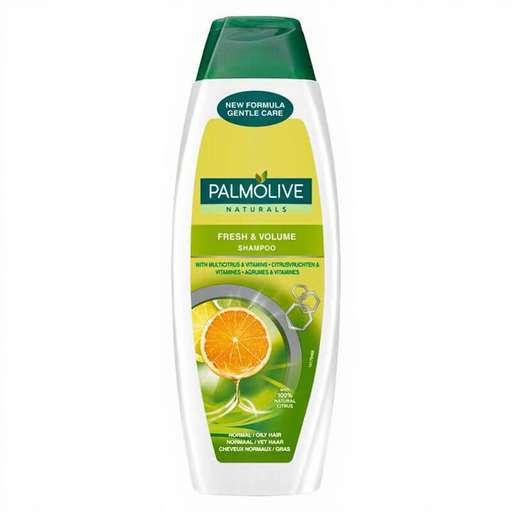
Why it suits this profile: A familiar everyday shampoo in a convenient 350 ml bottle, designed to cleanse and provide natural volume.
The product information clearly states the volume and citrus extracts; check the ingredients if you want to avoid sulphates.
350 ml; designed for cleansing; formula with citrus extracts of natural origin.
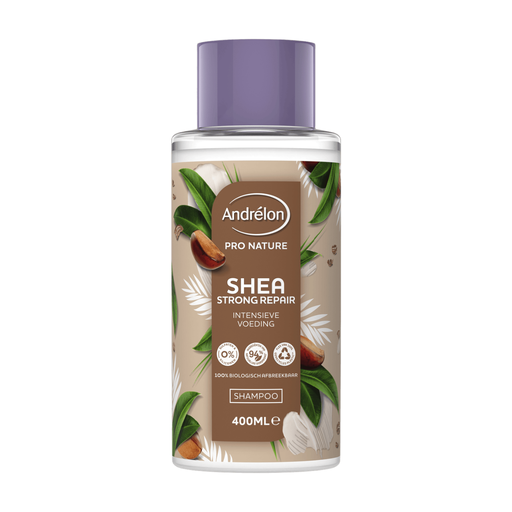
Why it suits this profile: Designed for dry and damaged hair and suitable for anyone looking for a sulphate-free, silicone-free and vegan formula.
The product page lists the formula properties separately: 0% sulphates and silicones, 94% ingredients of natural origin and vegan.
400 ml; shea butter; designed to nourish and care for dry or damaged hair.
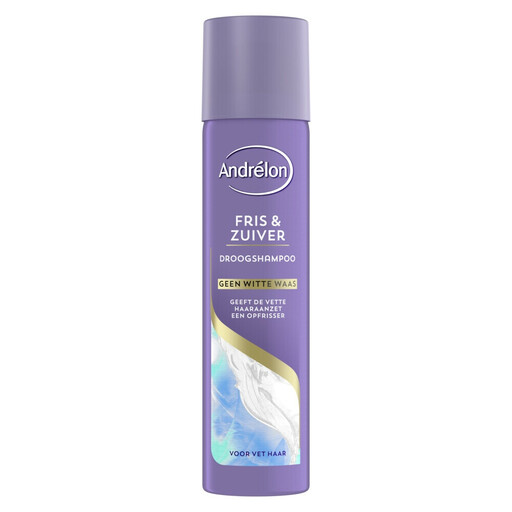
Why it suits this profile: Handy for busy mornings, travelling or those times when a proper wash is not immediately convenient.
The instructions specify a distance of 20 cm, a two-minute development time and brushing out. It refreshes hair between washes; it is not a replacement for washing.
245 ml; contains tapioca starch; designed to refresh oily hair between washes.
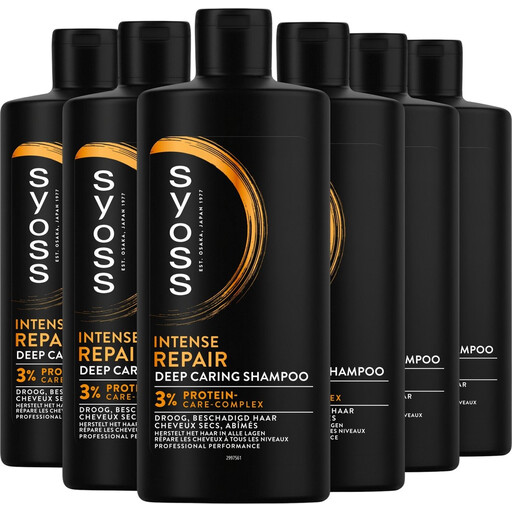
Why it suits this profile: A value pack with a total volume of 2,640 ml for households that use the same shampoo regularly.
The total volume, number of bottles and volume per bottle are stated. The formula is neither sulphate-free nor silicone-free, so check this in advance.
6 bottles of 440 ml; designed for dry hair; paraben-free according to the product specification.
We have put together a complete, up-to-date list of products that fully meet these strict selection criteria and the applicable European safety regulations.
For shampoo for coloured hair, consider Palmolive Brilliant Color with UV filter or Gliss-Kur Ultimate Color. The product pages mention colour care or colour protection; check the exact instructions for use on the packaging.
If you are looking for shampoo for curly hair, Andrelon Pro Nature Coconut may be worth considering. According to the product specification, this variant is free from sulphates and silicones and contains coconut oil. For fine hair, Dancoly Lavender is described as providing volume, but its ingredients list contains sodium laureth sulphate. This is relevant if you specifically want a sulphate-free shampoo.
A standard adult shampoo is not automatically suitable for babies and young children. According to the product information, Naïf Nourishing Shampoo for Babies & Kids is intended for babies, toddlers and children and is stated to be free from SLS/SLES and parabens, among other things. Always follow the age and safety information on the label.
This depends on your hair, scalp and daily activities. Oily hair may need washing more often, while dry or curly hair may be washed less frequently. Use an amount suited to your hair length and concentrate mainly on massaging the scalp. Follow the instructions for the product you choose.
Look for the open-jar symbol on the packaging. “6M” means that the product is intended to be used within six months of opening; “12M” means twelve months. The unopened shelf life and batch information can be found on the packaging. Store shampoo in a dry place away from direct sunlight.
Not necessarily. Compare the price per 100 ml and check that all the bottles contain the same variant. A multipack is practical when you know and use the formula regularly. When trying a new shampoo, a single bottle is often the wiser first purchase.
