
Vandaag of morgen in huis

Kwaliteit gegarandeerd

Welkomstaanbiedingen ontgrendelen: GRATIS bezorging | Tot 80% korting | Gratis 30 dagen JoyPlus-proefperiode
Download de app
Does your hair feel like straw, look dull, and seem difficult to style? You're not alone. The search for a good shampoo for dry hair can be frustrating. The shelves are lined with bottles promising miracles, but you're often left disappointed. Before you buy another bottle that doesn't work, it's important to know what to look for and which marketing traps to avoid.
Many people make the same mistakes. They get tempted by attractive packaging or claims that sound too good to be true. Here are a few common pitfalls:
To avoid making a bad purchase, it's helpful to know which components of a shampoo truly make a difference. By paying attention to the following three points, you can make a more informed choice.
A shampoo's primary function is to cleanse. This is done by ingredients called "sulphates" (like Sodium Laureth Sulphate or SLS). They are effective at removing dirt and oil, but can be too harsh for dry or damaged hair, causing further dehydration.
If your hair is very dry or your scalp is sensitive, consider a shampoo with milder cleansing agents. Look for alternatives on the ingredients list such as Sodium Cocoyl Isethionate or Cocamidopropyl Betaine. These cleanse in a gentler way.
For dry hair, nourishing and hydrating additives are crucial. A good hydrating shampoo contains ingredients that attract and lock in moisture. These include:
Determine your primary concern. Is it mainly the lengths of your hair that are dry and frizzy, or do you also suffer from an itchy, flaky, or dry scalp?
Based on objective product specifications, we have selected several shampoos that suit different user profiles.
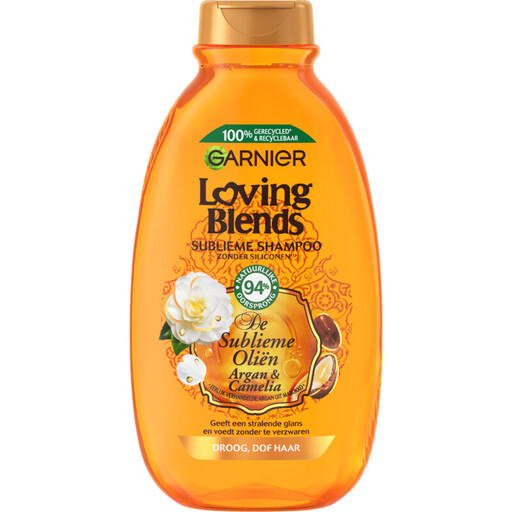
Why This Fits Their Persona: This is an accessible and affordable choice for those looking for an effective, nourishing shampoo for daily use. The formula focuses on making dry, dull hair soft and shiny.
This shampoo is silicone-free, which reduces the chance of heavy build-up. It addresses the "silicone trap" by offering a lighter feel that many users appreciate.
Contains argan and camellia oil for nourishment and shine. According to Garnier, the formula is of 94% natural origin, and the bottle is 100% recycled and recyclable.

Why This Fits Their Persona: Ideal for those willing to invest in a professional formula for visibly damaged hair. This shampoo focuses on intensive repair without weighing the hair down.
This product avoids the "natural" trap by being transparent about its professional, performance-driven formula. It doesn't promise vague natural miracles, but targeted repair for damaged hair.
The formula is enriched with golden quinoa and protein to resurface the hair. It provides a healthy shine and restores suppleness.
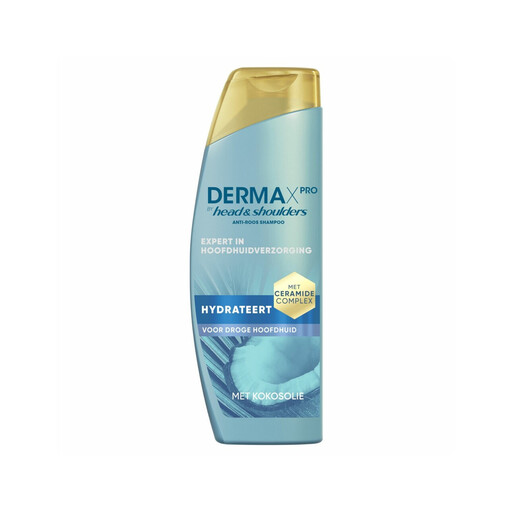
Why This Fits Their Persona: Specifically designed for people who not only have dry hair but also a dry, itchy scalp, possibly with flakes. This shampoo tackles the problem at its source.
This product bypasses the pitfall of ignoring the scalp. The entire formula is built around restoring the scalp's natural balance, rather than just providing cosmetic effects for the hair.
Contains a clinically proven active ingredient, piroctone olamine, and is enriched with coconut oil and ceramides to strengthen and hydrate the scalp's skin barrier.
We have compiled a complete, up-to-date list of products that meet these selection criteria and comply with current regulations.
For dry hair, it's generally recommended not to wash it too often, as this can strip away natural oils. Try to limit washing to 2-3 times a week. If your roots get greasy in between, a dry shampoo can be a great solution to postpone a wash.
Not necessarily. Silicones form a coating around the hair that protects against heat and moisture loss, making it smooth and shiny. However, for some hair types, this can lead to build-up, leaving the hair heavy and lifeless. If you have fine hair or notice it feels weighed down easily, a silicone-free shampoo can be a good choice. For thick, coarse, or very damaged hair, silicones can actually be beneficial.
A hydrating shampoo is primarily focused on replenishing moisture in the hair. Its ingredients are often lightweight and designed to keep hair supple and hydrated. A restorative shampoo goes a step further, often containing proteins and keratin to repair and strengthen the structure of damaged hair (e.g., from colouring or heat).
With the right knowledge, you can choose a shampoo that truly works for your hair and scalp. Pay attention to the ingredients, determine your primary need, and don't be misled by marketing claims.
Joybuy Product Recommendation Officer
