
Vandaag of morgen in huis

Kwaliteit gegarandeerd

Welkomstaanbiedingen ontgrendelen: GRATIS bezorging | Tot 80% korting | Gratis 30 dagen JoyPlus-proefperiode
Download de app
Shampoo may seem like a simple purchase, but there are major differences in formula, size and intended use. If you focus only on the fragrance, packaging or a striking claim, you may end up paying for properties that are not suited to your scalp. With a few simple checks, you can make a more informed choice between, for example, anti-dandruff shampoo, baby shampoo, shampoo for sensitive scalps and a moisturising shampoo.
Words such as ‘repair’, ‘against hair loss’ or ‘clinically proven’ sound clear, but their meaning varies from one product to another. Based on a brand’s own research or product information, a formula may, for example, help care for a dry scalp. That does not automatically mean that every problem will disappear completely.
Extra care is important when choosing shampoo for hair loss. Lucovitaal and Some By Mi describe their products as supporting hair-loss care or helping hair look stronger. These are claims made by the brands themselves. Persistent or sudden hair loss should be discussed with your GP or another healthcare professional; shampoo is not a substitute for medical treatment.
An oily scalp with dry ends needs a different approach from a completely dry scalp. A strongly cleansing shampoo can feel pleasant after exercise, but may be less suitable for daily use on a sensitive scalp. So start by considering your main reason for use:
A 250 ml shampoo is useful for trying a product first. A 300 ml shampoo often offers a practical middle ground for regular use. A large bottle, such as a 500 ml shampoo or 1000 ml shampoo, may seem better value, but only if the formula is genuinely right for you. A multipack of six bottles is mainly worthwhile when you already know the product and use it regularly.
Check the ingredients list, particularly if you have a sensitive scalp or a known allergy. Many formulas contain cleansers such as Sodium Laureth Sulfate, Cocamidopropyl Betaine or milder alternatives. A sulphate-free product is not necessarily more suitable for everyone; it depends on how your hair and scalp react.
Also look out for fragrance, essential oils and preservatives if you experience irritation easily. Stop using the product if you develop redness, a burning sensation or itching that clearly starts after washing. Avoid contact with the eyes and always follow the instructions on the packaging.
Piroctone olamine appears in several selected anti-dandruff shampoos. The product description may state that this ingredient helps tackle visible dandruff. Your experience will depend on the formula, how often you use it and your individual response. If the label instructs you to do so, leave the shampoo on for a few minutes, then rinse thoroughly.
A larger bottle is handy for a household with several users. A small bottle is better suited to a gym bag or suitcase. Also check:
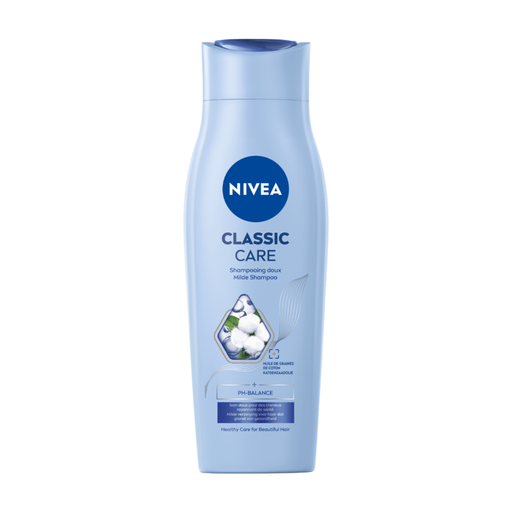
Why it suits this profile: The 250 ml bottle is reasonably priced and practical for trying a gentle shampoo for daily use.
The product information mentions a pH-optimised formula and daily use, so you do not have to buy a large supply straight away.
250 ml size; ingredients list containing glycerine and cottonseed oil; suitable for daily use according to the product description.
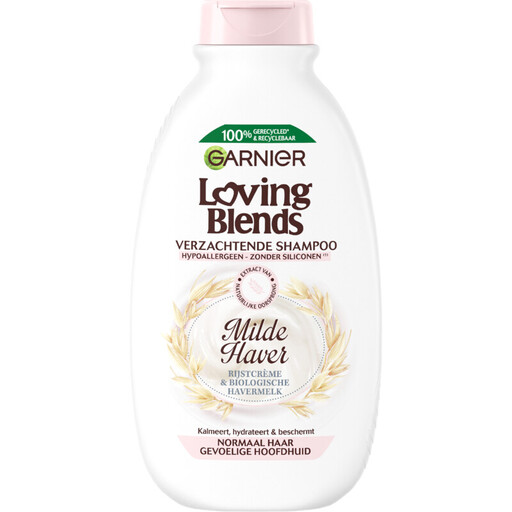
Why it suits this profile: If you pay close attention to a sensitive scalp and nourishing ingredients, this formula contains ingredients including oat extract, glycerine and rice starch.
This choice is based on the formula properties mentioned, rather than fragrance or shine claims alone. If you have allergies, always check the current label.
300 ml size; the product description states that it has a hypoallergenic formula, a silicone-free composition and a focus on sensitive scalps.
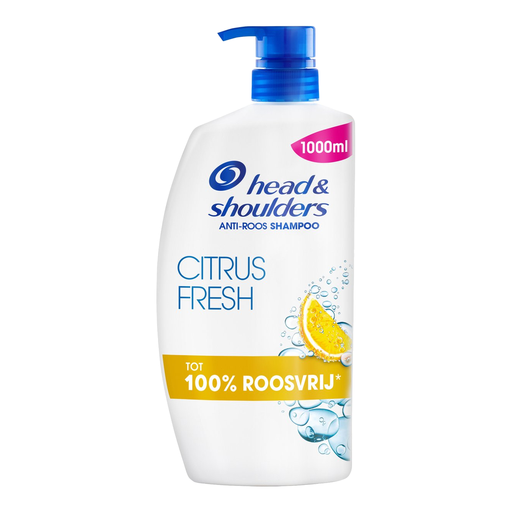
Why it suits this profile: The one-litre bottle is aimed at households that use anti-dandruff shampoo regularly and do not want to order a new bottle as often.
The intended use and size are clearly specified: daily use, an anti-dandruff purpose and 1000 ml. This means the large bottle is not an unwelcome surprise.
1000 ml size; piroctone olamine in the ingredients list; citrus fragrance and instructions requiring a short leave-in time.
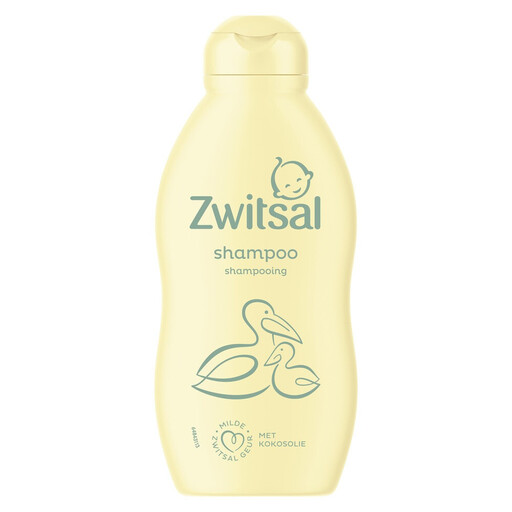
Why it suits this profile: This baby shampoo is intended for babies from birth and suits parents looking for a simple routine for delicate baby hair.
The age group, usage instructions and warning about adult supervision are clearly stated in the product information.
200 ml size; according to the product description, 0% sulphate cleansers; no-tears formula and dermatologically tested.
We have put together a complete, up-to-date list of products that fully meet these strict selection criteria and the applicable European safety regulations.
That depends on your scalp and hair. If you wash your hair daily, preferably choose a formula that is explicitly described as suitable for frequent use, and check whether fragrance or particular cleansers are suitable for you. A gentle shampoo is not automatically the right choice for dandruff; a specific anti-dandruff formula may make more sense in that case.
Check the expiry information and the period-after-opening symbol on the packaging. The exact period varies from one product to another. Store shampoo in a cool, dry place, close the bottle properly and keep it out of direct sunlight. If the fragrance, colour or texture changes noticeably, stop using the product.
No. According to their own product information, certain shampoos may help care for or improve the appearance of hair, but shampoo is not a guaranteed solution for hair loss. If the problem is sudden, severe or persistent, it is advisable to seek medical advice.
