
Vandaag of morgen in huis

Kwaliteit gegarandeerd

Welkomstaanbiedingen ontgrendelen: GRATIS bezorging | Tot 80% korting | Gratis 30 dagen JoyPlus-proefperiode
Download de app
A shampoo should do what you need it to: cleanse without leaving your hair unnecessarily dry, heavy, or greasy too quickly. Yet it’s tricky to compare labels and marketing claims properly. A shampoo for shiny hair isn’t automatically suitable for dry hair, and a product packed with nourishing ingredients doesn’t always suit an oily scalp.
With this practical guide, you can focus on hair type, ingredients, volume, and usage. That way, you’ll compare more effectively and avoid paying mostly for an appealing promise.
Words like “restorative”, “professional”, or “intense care” don’t mean much on their own. Hair fibres aren’t living tissue; a shampoo can cleanse the hair, make it feel smoother, or temporarily add more shine. So look at the ingredients, the intended hair type, and the instructions for use.
According to a brand’s own research, certain results might be stated as a percentage. Treat such claims as brand communication and also check the conditions, such as using it alongside a conditioner.
Your scalp can become oily, while the lengths are dry or damaged. A shampoo for oily hair that cleanses intensively can feel less pleasant on dry ends. Conversely, a rich shampoo for dry hair can weigh hair down at the roots.
So apply shampoo mainly to the scalp and let the lather run through the lengths as you rinse. Conditioner and masks are usually best applied from the mid-lengths downwards.
A sulphate-free shampoo can give a gentler cleansing feel, but sulphates aren’t automatically unsuitable. It depends on your scalp, washing frequency, and styling habits. Likewise, “natural origin” doesn’t automatically describe how a formula will feel on you.
Check the full INCI ingredients list on the packaging. Also look out for perfume and fragrance allergens if you’re sensitive to them. The most up-to-date ingredients list is on the product itself.
For a shampoo for damaged hair, you’ll often see proteins, amino acids, panthenol, or oils listed. These ingredients can make hair feel smoother and more cared for, but they won’t replace a trim for split ends.
If you want more shine, look for a formula that leaves the hair surface feeling smooth. The L'Oréal Elvive Glycolic Gloss Shampoo contains glycolic acid and is sulphate-free, according to the product description. The manufacturer links this to a smoother hair surface and better light reflection. That’s a product claim; your own hair texture, colour treatment, and routine will still be decisive.
For curls, hydrating ingredients and a formula without sulphates or silicones appeal to some users. The Andrelon Pro Nature Coconut Shampoo states 94% ingredients of natural origin and 0% sulphates and silicones.
A 250 ml bottle is handy for trying something out or for travel. Larger sizes from 400 ml to 550 ml are practical for daily use. A salon-size bottle of 1,000 or 1,500 ml might seem good value, but check whether you’ll use it up within the stated period after opening. A large bottle also doesn’t always come with a pump.
Compare the price per 100 ml, not just the price of the bottle. A small amount can be enough, depending on your hair length, thickness, and how often you wash.
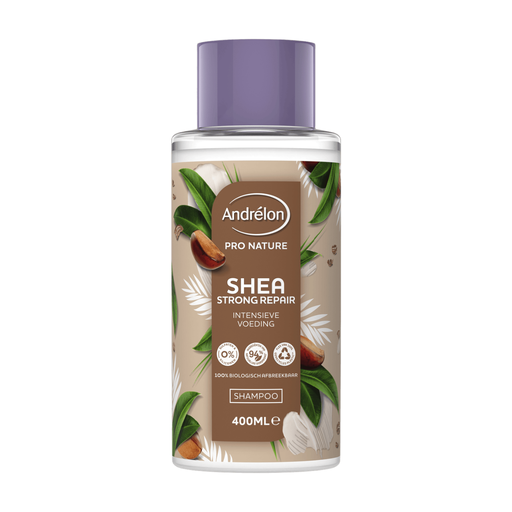
Why this fits the profile: The 400 ml size is practical for regular use, and the formula is designed to nourish and care for dry or damaged hair.
The product information states 0% sulphates and silicones, so you’re not relying solely on a vague “natural” claim.
Shea butter, 400 ml volume, vegan according to the product details, and a formula with 94% ingredients of natural origin.
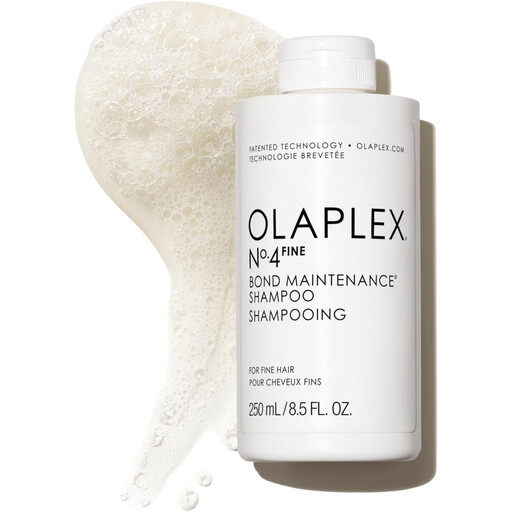
Why this fits the profile: According to the product description, this compact formula is designed for fine hair, daily damage, and maintaining softness and shine.
The product details explicitly mention fine hair, colour-safe use, and a vegan formula, rather than one universal promise.
250 ml volume, designed for fine hair, and suitable for chemically treated hair according to the description.
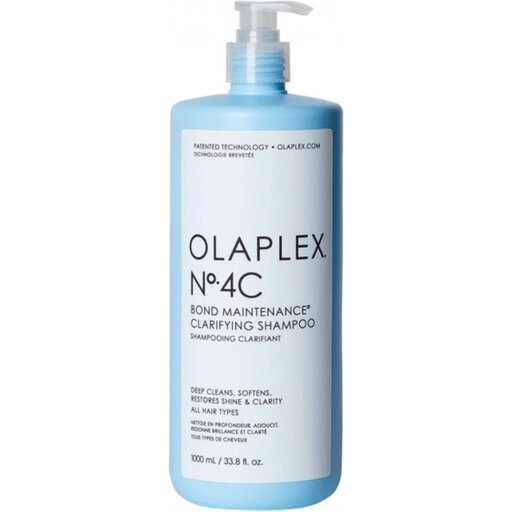
Why this fits the profile: The large size suits frequent use, and this variant is specifically designed to remove product residue, minerals, and other impurities.
The product description clearly states it’s a clarifying shampoo. This means you use it purposefully rather than as a standard choice for every wash.
1,000 ml volume, vegan according to the product information, and designed for various hair types, including treated hair.
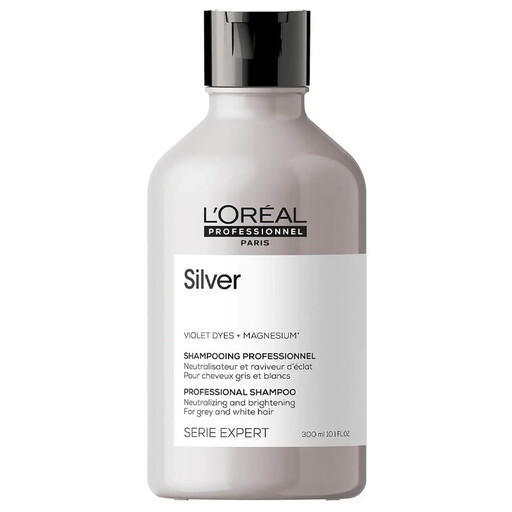
Why this fits the profile: This silver shampoo is specifically designed for grey, white, and light blonde hair when you want to neutralise warm yellow or coppery tones.
The target colour group and usage time of 1 to 3 minutes are stated. This prevents you from using a pigment shampoo as a regular daily shampoo.
300 ml volume, violet pigments according to the product description, and paraben-free according to the product details.
We’ve put together a full, up-to-date list of products that fully meet these strict selection criteria and comply with current European safety regulations.
That depends on your scalp, exercise habits, styling products, and personal preference. If you have an oily scalp, washing more often can feel good; dry or curly hair sometimes benefits from less frequent washing. Use a small amount and massage mainly the scalp.
Not automatically. A sulphate-free shampoo can suit people who want a gentler cleansing feel or want to care for their curls and dry lengths. If you use a lot of oil, wax, or styling products, you might occasionally need a more thorough cleansing shampoo. Always check the full ingredients list.
Use a silver shampoo for grey, white, or light blonde hair when you want to reduce warm tones. A clarifying shampoo is designed to remove styling product residue, minerals, or excess oil more thoroughly. Both are targeted products; follow the instructions on the packaging and pay attention to how your hair and scalp respond.
