
Vandaag of morgen in huis

Kwaliteit gegarandeerd

Welkomstaanbiedingen ontgrendelen: GRATIS bezorging | Tot 80% korting | Gratis 30 dagen JoyPlus-proefperiode
Download de app
A robot vacuum seems like the perfect solution for a busy life: more time for yourself, less time spent on household chores. But the market is flooded with models that make lofty promises. High suction power, "smart" features, and self-cleaning systems sound great, but in practice, they often lead to frustration and wasted money. Before you make a choice, it's important to recognise the common pitfalls.
smart vacuum that bounces randomly around the room is guaranteed to miss spots and get stuck under furniture. True efficiency comes from advanced navigation systems that map your home and clean it systematically.self-emptying robot vacuum sounds ideal. But some base stations clog easily, require expensive, brand-specific dust bags, or have a mop-cleaning function that, without a proper drying mechanism, becomes a breeding ground for mould and unpleasant odours.To avoid buyer's remorse, it's wise to look beyond the marketing buzzwords. Focus on the technical specifications that determine real-world performance.
The navigation technology determines how efficiently and thoroughly the robot cleans.
For households with pets or a lot of carpet, the brushes are just as important as the suction power.
robot vacuum for pet hair must have a brush that prevents long hair from getting tangled. Look for models with bristle-free rubber brushes or systems with a built-in mechanism that actively cuts through hair.A robot vacuum with a charging station is standard, but advanced stations offer significantly more convenience.
Based on objective specifications, we have selected a few models that suit various households.
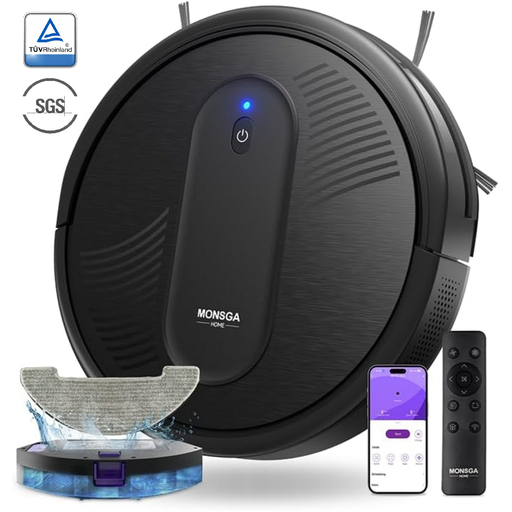
Why This Fits Their Persona: Ideal for those looking for a first, no-frills robot vacuum for an apartment or a home with mostly hard floors. No unnecessary, complex features, just a focus on the basics: vacuuming.
This model focuses on solid suction power (3000Pa), which is more than enough for hard floors and low-pile carpet, without boasting misleading numbers. Control via the app or remote is direct and practical.
Its super-slim design (approx. 8.1 cm high) allows it to easily get under sofas and cabinets. The 140-minute runtime is excellent for its price range.
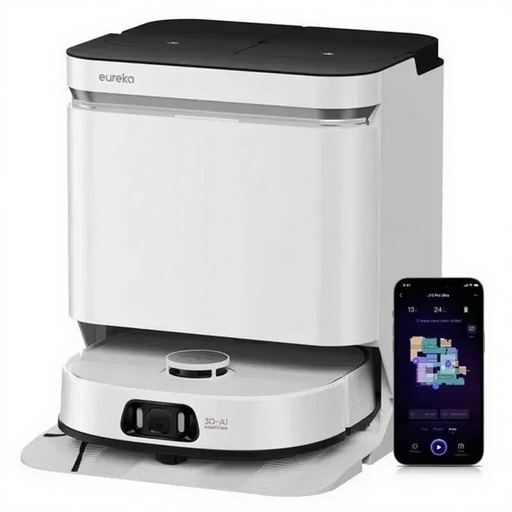
Why This Fits Their Persona: For those who deal with pet hair, crumbs, and muddy paws daily. This system is designed for maximum automation and minimal maintenance, so you won't have to worry about it for weeks.
It tackles the maintenance pitfall. The all-in-one station washes the mops with 75°C hot water and dries them with 55°C hot air, preventing mould and odours. The FlexiRazor technology actively cuts through hair, preventing the brush from getting clogged.
The combination of very high suction power (16,200 Pa) and an extendable arm (Flex-arm) ensures a thorough clean, even along edges and in corners. The dirt detection automatically adjusts the cleaning method for wet or dry debris.
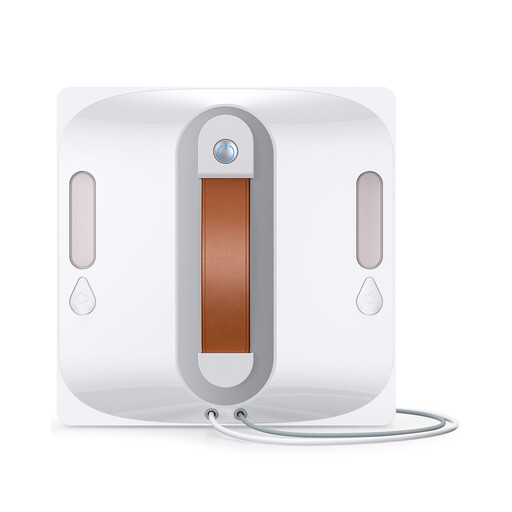
Why This Fits Their Persona: For those who want to keep not just their floors, but also their windows, effortlessly clean. Perfect for homes with large windows, conservatories, or upper-floor windows that are difficult to reach. A `window cleaning robot` takes a risky and time-consuming chore off your hands.
Safety is the main pitfall here. This model addresses that with an 8-layer security system, including a backup battery (UPS) and a strong safety rope. This prevents the robot from falling during a power outage.
The high suction power of 6500 Pa ensures a firm grip on the glass. The smart route planning with edge detection ensures the entire window, including corners, is cleaned. The mist spray function distributes water evenly for a streak-free result.
Besides robots for floors and windows, there are also specialised models like a pool cleaning robot that automatically clean the bottom and walls of your pool. The principles remain the same: look at the navigation, cleaning mechanisms, and ease of use.
We have compiled a complete, up-to-date list of products that fully meet these strict selection criteria and safety standards.
The average lifespan of a robot vacuum is 3 to 5 years. This heavily depends on the build quality, the brand, and how well you maintain the device. The battery is often the first component to wear out. Regularly cleaning the brushes and filters and keeping the sensors free of dust can significantly extend its lifespan.
Yes, for the daily maintenance of hard floors, a robot vacuum with mopping function is certainly useful. It removes fine dust and light stains, making your floor look fresher. However, don't expect it to scrub stubborn, dried-on stains the way you would manually. Models with rotating mops or mops that apply pressure to the floor typically deliver better results than models with a simple, static mopping plate.
Not necessarily. While a high Pa (Pascal) value indicates a powerful motor, which is especially useful for deep-cleaning carpet, it's not the only factor for a good cleaning result. The efficiency is equally determined by the design of the brush roll (e.g., rubber fins vs. bristles), the quality of the navigation software, and the system's seal. A well-designed robot with 5000 Pa can perform better in practice than a poorly designed model with 8000 Pa.
