
Vandaag of morgen in huis

Kwaliteit gegarandeerd

Welkomstaanbiedingen ontgrendelen: GRATIS bezorging | Tot 80% korting | Gratis 30 dagen JoyPlus-proefperiode
Download de app
A robot vacuum cleaner can remove dust, crumbs and hair every day, without you having to vacuum the house yourself. However, many models look more similar on paper than they are in practice. A high suction power rating, for example, doesn’t automatically tell you how well a robot navigates, how much maintenance it needs or how it performs on carpet.
So think about how a robot vacuum cleaner will suit your home. Do you have pets, several rooms, rugs or mostly hard floors? The features that matter will differ from those you need if you’re mainly looking for a compact, affordable robot.
The stated suction power, for example 4,000, 8,000 or 12,000 Pa, is a technical figure from the product information. In practice, the brush, airflow, filter and selected cleaning mode all play a part too. A robot vacuum cleaner with high suction power may also be noisier or use up its battery faster.
So don’t compare Pa ratings alone. Also look at:
A robot vacuum cleaner with a mop or mopping function dampens the floor using a cloth or rotating mop pads. This is useful for everyday upkeep, but it won’t always replace a thorough manual clean.
In particular, check whether the model:
Use only water or the cleaning solution permitted in the instruction manual. Using the wrong product could damage components or floors.
A robot vacuum cleaner with an automatic-emptying dock reduces the amount of maintenance required, but doesn’t eliminate it. You’ll still need to check dust bags, dustbins, filters, sensors and brushes. If the dock has water tanks, you’ll also need to refill or empty the clean and dirty water.
A robot vacuum cleaner with a self-cleaning dock can wash and dry the mop, but always check how often the dock needs maintenance. The exact frequency depends on how often you use it, the floor area and how much dirt it picks up.
A robot vacuum cleaner with LiDAR navigation scans the room using a laser and usually creates a map. This lets it plan systematic cleaning routes and distinguish between multiple rooms. It’s particularly useful in larger homes or across several floors.
A robot vacuum cleaner with obstacle avoidance may also use infrared, structured light or other sensors to identify cables, shoes and toys. No system can make your floors completely obstacle-free, so pick up loose cables, clothes and small items before starting the robot.
If you’re looking for a robot vacuum cleaner for pets, a well-designed main brush and an anti-tangle feature are worth considering. Otherwise, hair can wrap around the brush bar, meaning you’ll need to clean it more often. Also check the dustbin capacity and how the dock disposes of dirt.
A HEPA filter can trap fine dust in the airflow, but its performance depends on correct fitting and regular maintenance. Treat brands’ product claims as information from their own product descriptions, and check the instruction manual for details on how the product should be used.
A long runtime is particularly useful in larger homes. Also check the maximum threshold height. A model that can handle around 1 to 2 centimetres may still struggle with high door bars or thick rugs.
Measure the space beneath sofas and cupboards too. A low-profile robot, such as the Rowenta X-Plorer Series 70+ with a stated height of 7.9 cm, may fit beneath certain furniture where taller models can’t. Also check that there’s enough space around the charging dock.
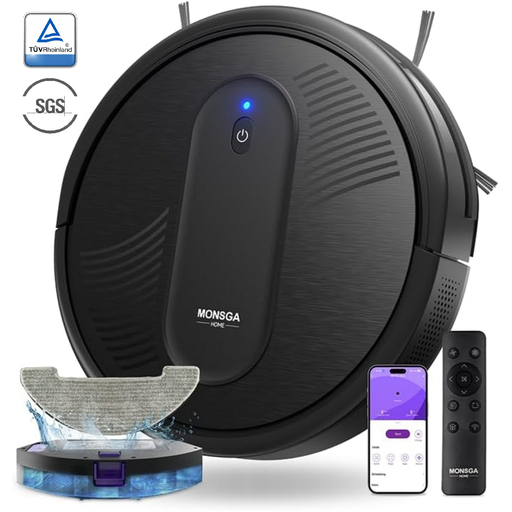
Why it suits this type of user: This model focuses on basic automation, with control via remote, app and voice assistants. Its stated height of 3.2 inches and runtime of up to 140 minutes make it a good fit for smaller homes with hard floors or low-pile carpet.
The product information clearly lists its suitability for hard floors, low-pile carpet and pet hair. This helps you choose based on a specific use case, rather than marketing terms alone.
4,000 Pa according to the product information, up to 140 minutes’ runtime, plus app, remote and voice control.
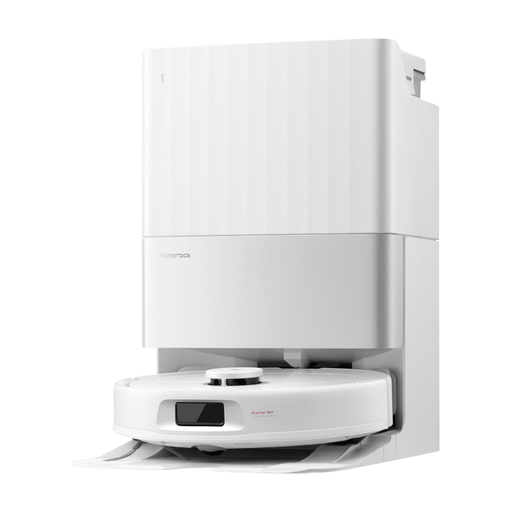
Why it suits this type of user: The combination of LiDAR, a multifunctional dock, rotating mop pads and app control is ideal for households looking to automate as many cleaning tasks as possible.
The product details list more than just 12,000 Pa: they also include a 180-minute runtime, a 10 mm mop lift and Reactive Tech obstacle recognition. This gives you a more complete picture than a single suction power figure.
Multifunctional dock for emptying, mop washing and drying; PreciSense LiDAR; stated coverage of up to 330 m² per water refill.
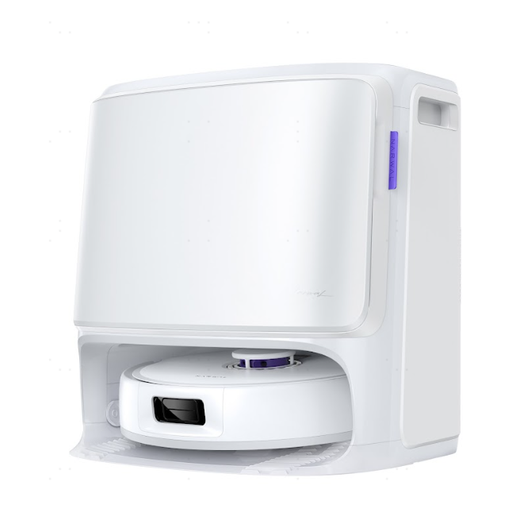
Why it suits this type of user: This model is a good option for pet owners and households that deal with a lot of everyday dirt. The product description mentions anti-tangle brushes, LiDAR, mop cleaning and a drying function.
The choice isn’t based on suction power alone: the dual anti-tangle brush and carpet detection tackle common maintenance issues caused by hair and carpet.
Stated suction power of 11,000 Pa, 220 minutes of battery life, LiDAR navigation and a dock that washes and dries the mop and automatically empties dust.
We’ve put together a complete, up-to-date list of products that meet these strict selection criteria and comply with current European safety regulations.
Place the charging or emptying dock on a flat surface, preferably against a wall. Leave the clearance recommended by the manufacturer. Let the robot create a complete map during its first run, and leave interior doors open. Then check the map in the app and set no-go zones where needed.
Make these checks and carry out these tasks regularly:
Don’t use a robot vacuum cleaner to pick up flammable liquids, hot ash or large sharp objects. When mopping, make sure the water tank and mop module are fitted correctly to prevent leaks.
Its lifespan depends on how often you use it, how well you maintain it, the battery and the availability of spare parts. Regularly cleaning the brushes, filters and sensors helps reduce wear. Before buying, check that parts and warranty information are clearly available.
Consumption varies by model, cleaning mode, home and charging frequency. A robot with a long battery life isn’t necessarily more energy-efficient. Check the stated power, runtime and how often you plan to run it.
Many models are suitable for both, but the details vary. Look for carpet detection, mop lift, maximum threshold height and recommended pile height. If you have high-pile carpet, it’s a good idea to check the product specifications and instruction manual beforehand.
