
Vandaag of morgen in huis

Kwaliteit gegarandeerd

Welkomstaanbiedingen ontgrendelen: GRATIS bezorging | Tot 80% korting | Gratis 30 dagen JoyPlus-proefperiode
Download de app
A dog or cat brings warmth and companionship to your home, but also hair on the sofa, litter in the hallway and dust in the carpet. A standard vacuum cleaner can handle these tasks, but not every model is designed for daily use in a pet-owning household. Pay particular attention to the brush, filtration system and the way the appliance is emptied.
In this guide, we compare different types and present our recommendations for 2026 based on verifiable product specifications.
A high figure in kPa or Pa may sound impressive, but it does not tell the whole story about everyday performance. The floor head, brush design and airflow also determine how effectively hair is collected. Even a powerful vacuum for dog and cat hair can leave hair wrapped around the roller if it does not have a suitable brush.
So check whether the model has an anti-tangle brush, rubber strips or a V-shaped roller brush. Also verify which floor types the manufacturer recommends for the appliance.
A robot vacuum with a mopping function is generally intended for light damp mopping. It is not designed to vacuum up puddles, spilled liquids or wet debris. With models that include a mopping module, you should clean and dry the water tank and mop pad regularly.
Use clean water only, unless the manufacturer explicitly recommends a suitable cleaning solution. This helps prevent damage to the water pump or flooring.
Pet hair does not only end up in the dustbin. It also accumulates in the filter, side brushes and wheels. A vacuum with a self-emptying base reduces the need for manual emptying, but it does not eliminate maintenance. Before purchasing, check:
A soft floor brush is often practical for hard floors, while carpets benefit more from a motorised roller brush. A cordless stick vacuum is convenient for quick cleaning sessions, but the highest power setting will generally reduce the runtime.
The stated values of 4,000 Pa, 27 kPa or 60 kPa are manufacturer product specifications. Use these figures primarily to compare models within the same product category. Actual runtime and hair pickup also depend on the surface, level of soiling and selected mode.
A cordless vacuum with a quoted runtime of 50 to 65 minutes will usually achieve that figure on a lower power setting. For a large home with several floors, a removable battery can be useful. A robot model with long battery life can clean multiple rooms independently, provided the layout, thresholds and furniture are suitable.
Pay attention to charging time and consider whether you mainly need daily maintenance cleaning or one major cleaning session each week.
A HEPA-filter vacuum cleaner may filter fine particles according to the product description. Always check which filter type is actually included and whether the manufacturer substantiates the claim. A filter must be correctly installed, clean and completely dry before you put it back.
With a self-emptying base, the capacity of the dust bag or container is important. A larger collection bin means less frequent emptying, but the base station will also take up more space.
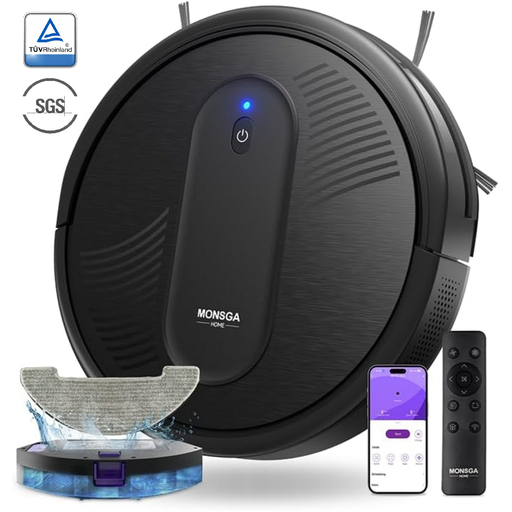
Why This Fits Their Persona: Well suited to households that want to remove dust and loose hair every day without immediately investing in an extensive station or mopping system.
The product information states a height of 3.2 inches and a runtime of up to 140 minutes. However, check whether high-pile carpets and thresholds are suitable for your home.
According to the product description: 4,000 Pa suction power, app control, remote control and voice control.
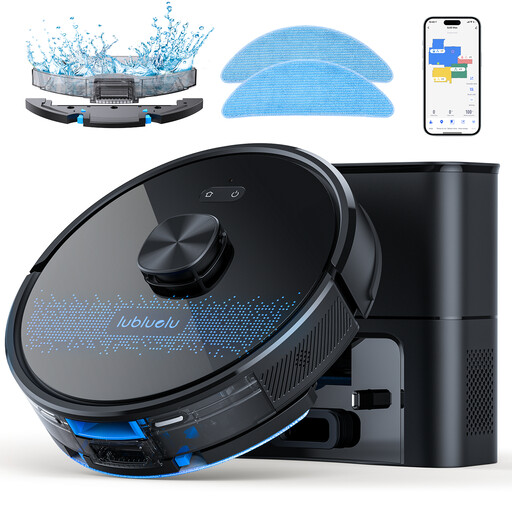
Why This Fits Their Persona: A good fit for busy families who want to clean multiple rooms on a schedule while minimising the need to empty the robot manually.
Laser mapping, virtual boundaries and room selection help optimise cleaning routes. Clear away loose cables and small toys beforehand.
According to the product specifications: 4,000 Pa, LiDAR 9.0 laser navigation, mopping and a base station with a 3- to 4-litre dust bag.
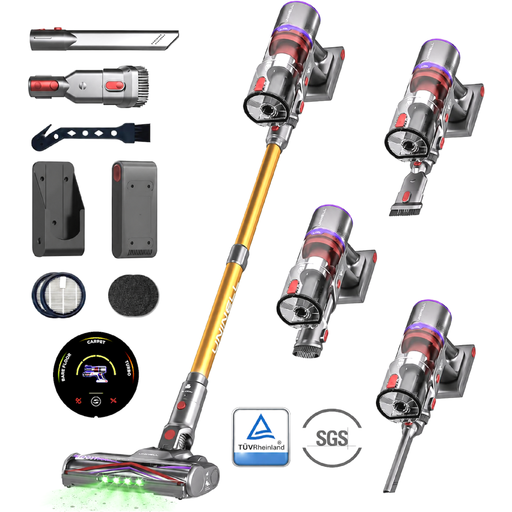
Why This Fits Their Persona: An option for those who prefer targeted cleaning of carpets, hard floors, furniture, stairs and difficult-to-reach areas.
The stated anti-tangle brush is designed to reduce hair wrapping. Nevertheless, check the roller regularly, especially if your pets have long hair.
According to the manufacturer: up to 60 kPa peak suction power, up to 65 minutes of runtime, seven-stage filtration and conversion to a handheld vacuum.
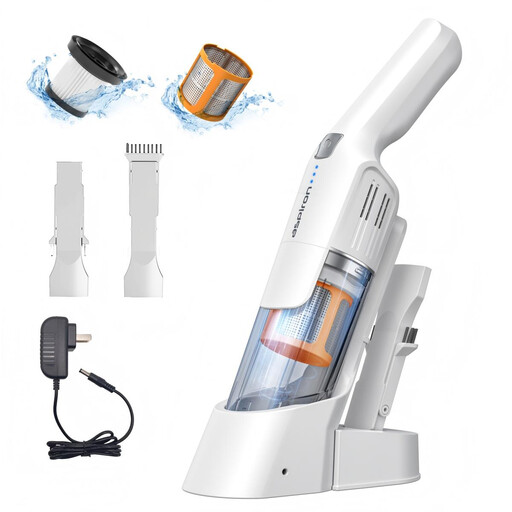
Why This Fits Their Persona: Ideal for pet hair on sofas, in cars, between cushions and for small everyday messes.
Its compact design means you do not have to reach for a full-size vacuum cleaner for every crumb. This model is intended for dry debris, not liquids.
According to the product information: 15 or 24 kPa, a 500 ml dustbin, HEPA filter and up to approximately 25 minutes of runtime in standard mode.
Browse a current selection of pet-cleaning products, with different solutions for hair, dust, furniture and floors.
Before ordering, check the current product specifications, included accessories, warranty terms and safety instructions. Do not use robot vacuum cleaners in rooms with loose cables, standing water or objects that could become caught in the brush.
Yes, a robot can remove loose hair from hard floors and certain carpets every day. Results depend on the brush, suction setting, floor height and amount of hair. A stick or handheld vacuum cleaner remains useful for sofas, stairs and corners.
For a household with pets, checking them weekly is a practical starting point. Remove hair sooner if the brush becomes visibly clogged or suction power decreases. Washable filters must be allowed to dry completely according to the instructions before being reinstalled.
For cordless models, battery and filter replacement are important ongoing costs. Robots with self-emptying bases may also require dust bags. So do not compare only the purchase price; consider the cost and availability of consumables as well.
