
Vandaag of morgen in huis

Kwaliteit gegarandeerd

Welkomstaanbiedingen ontgrendelen: GRATIS bezorging | Tot 80% korting | Gratis 30 dagen JoyPlus-proefperiode
Download de app
Red beans are incredibly versatile: use them in chilli, soup, wraps, salads, rice dishes or Asian desserts. However, not every product labelled “red beans” is the same. Kidney beans, adzuki beans and ready-to-eat tinned beans differ in size, flavour, preparation time and ingredients.
When buying red beans online, there are three main pitfalls to watch out for:
By checking the type, ingredients and intended use carefully, you can avoid buying the wrong product.
Red kidney beans are relatively large, firm and kidney-shaped. They work well in chilli, wraps, stews and salads. On the label, they are usually listed as “red kidney beans” or “kidney beans”.
Adzuki beans are smaller and often dark red in colour. According to the product descriptions from Cock Brand, Huaseed and EAGLOBE, they have a mildly sweet flavour and a creamy texture when cooked. This makes them popular for red bean paste, porridge, soups and desserts in Japanese, Chinese and other Asian cuisines.
The term “red beans” alone is therefore not enough to help you choose. Always check the ingredient name:
Black beans are a different variety again. They have dark skins and their own distinctive flavour. They can be an alternative in Latin American dishes, but they are not a like-for-like replacement for red kidney beans.
Dried red beans such as Goya Red Kidney Beans (Dry) 397 gr, HEYU Red Beans 1 kg and Yan Zhi Fang Red Beans 450g generally contain beans only. You will need to wash them, soak them for several hours in most cases and cook them until completely tender. This takes more time, but gives you control over their texture and seasoning.
With cooked red beans, check the ingredients list and drained weight. According to the product information, Sera Boiled Red Kidney Beans - 800 g contains red kidney beans, water, salt and citric acid. HAK Kidney Beans - 380 g lists, among other ingredients, water, salt, ascorbic acid and calcium chloride.
DURU Pratik Kirmizi Fasulye Pilaki 400 gr is not a neutral base, but a prepared bean dish containing ingredients including tomato, onion, oil, salt, sugar and spices. This is practical if you want to serve it straight away, but less suitable if you prefer to control the flavour or amount of salt yourself.
Don’t just compare the front of the packaging. Check the following:
Values can vary depending on the variety, preparation method and moisture content. For example, Cock Brand Red Bean 400 g lists 20 grams of protein per 100 grams for dried adzuki beans, while HAK Kidney Beans - 380 g lists 9 grams of protein and 6.6 grams of fibre per 100 grams for the prepared product. For a fair comparison, compare products in the same form: dried with dried, and drained with drained.
An organic label, such as the one on B+ Organic Red Kidney Beans - 400 g, may be important if you are specifically looking for organic ingredients. Also check that the rest of the ingredients suit your recipe.
Dried kidney beans and adzuki beans are not ready-to-eat products. Wash them, soak them according to the instructions on the label and cook them until completely tender. Some packs warn about naturally occurring lectins and recommend thorough cooking. Never eat dried beans raw or partially cooked.
Store unopened dried packs in a cool, dry place away from direct sunlight. Once opened, a tightly sealed storage container helps protect them from moisture and insects. For tins, jars or pouches, follow the instructions on the packaging. Check jars for bulging, leaking or damaged lids, and use an opened product within the stated timeframe.
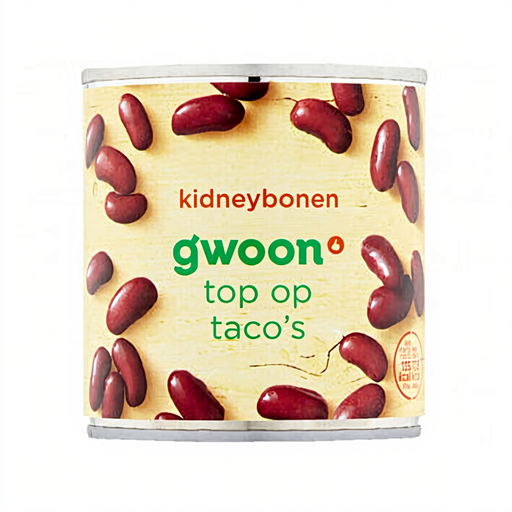
Why it suits this profile: The small pack is handy when you are trying kidney beans for the first time or preparing just one meal.
The ingredients list mentions only red kidney beans and water, so you know exactly what you are buying.
200 g pack; no added sugars according to the product information; none of the 14 main EU allergens listed.
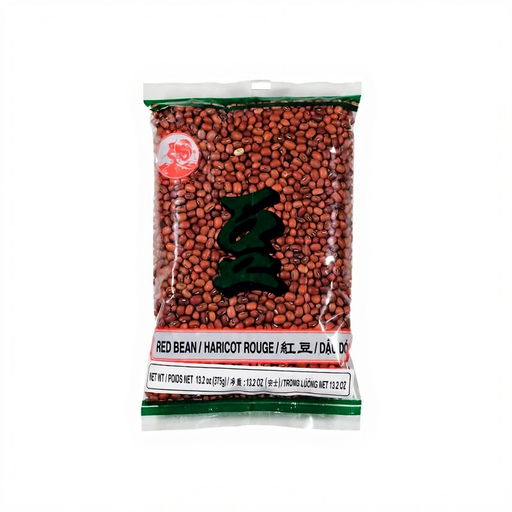
Why it suits this profile: These 100% adzuki beans are ideal for anyone deliberately seeking Asian ingredients for both sweet and savoury recipes.
The product name and ingredients explicitly identify adzuki beans, making them less likely to be confused with kidney beans.
400 g; 100% adzuki beans; according to the nutritional information, 20 g of protein per 100 g; suitable for vegetarian and vegan dishes.
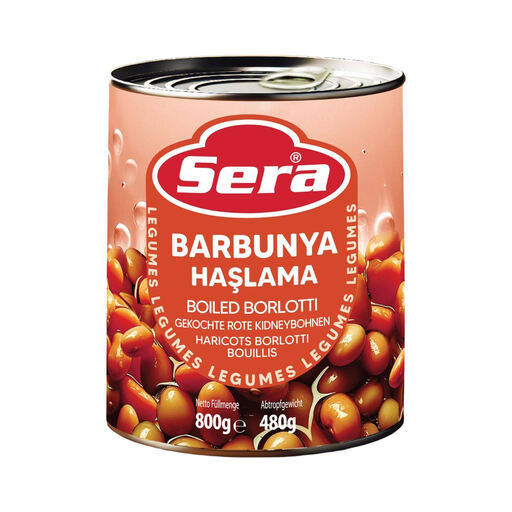
Why it suits this profile: A large pack of cooked beans is practical for households that regularly make salads, curries, rice dishes or stews.
The beans are already cooked, so soaking and lengthy cooking are unnecessary. Do check the salt content and storage instructions on the label.
800 g; ready to use straight from the pack; suitable for salads, stews, dips and side dishes.
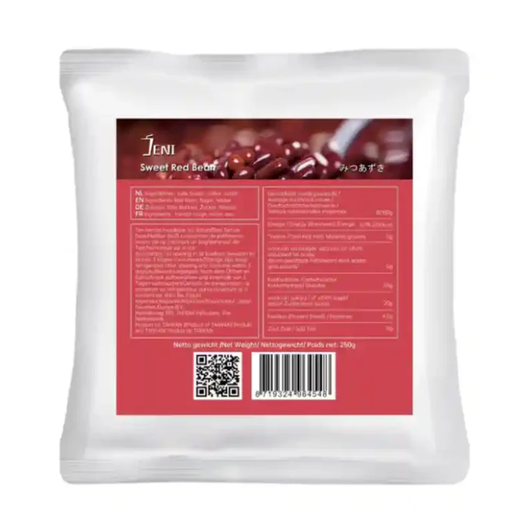
Why it suits this profile: This ready-made red bean paste is designed for mochi, pastries, buns, ice cream and other Asian desserts.
The paste is ready to use straight away. The ingredients list red beans, sugar and water, making its sweet composition clear in advance.
250 g; ready to use; according to the product information, 20 g of sugar per 100 g; suitable for vegetarian and vegan diets.
We have put together a complete, up-to-date list of products that fully meet these strict selection criteria and the applicable European safety regulations.
Not always. Red kidney beans are one specific variety. “Red beans” may also refer to adzuki beans or other red pulses. Always check the ingredients and intended use.
Wash the beans and follow the instructions on the packaging. They are usually soaked for several hours first and then cooked until completely tender. Never eat dried kidney beans or adzuki beans raw or partially cooked. The exact cooking time varies depending on the variety and packaging.
Dried beans are often good value when preparing larger quantities, but they require water, preparation and cooking time. Tinned or jarred beans may cost more per portion, but save time. Compare prices based on drained weight, rather than simply the total pack weight.
