
Vandaag of morgen in huis

Kwaliteit gegarandeerd

Welkomstaanbiedingen ontgrendelen: GRATIS bezorging | Tot 80% korting | Gratis 30 dagen JoyPlus-proefperiode
Download de app
Buying beans and pulses online can quickly become confusing. Whether you’re looking for tinned beans, chickpeas, white beans, black beans or edamame, you’ll often see different pack sizes, preparation methods and nutritional values side by side. A low price per pack does not always tell you much about the price per portion.
Pay particular attention to these three common pitfalls:
There are three practical categories:
For hummus, chickpeas with a soft, even texture are useful. Firm chickpeas, cannellini beans or kidney beans work better in salads. Black beans are often used in rice dishes, wraps and Latin American recipes. Turkish beans, such as white beans or butter beans, work well in stews and side dishes.
Don’t just compare the front of the packaging. Look at:
According to the product information, Hak Mixed Beans contains kidney beans, white beans and chickpeas, with 6.9 grams of fibre and 7.3 grams of protein per 100 grams. The exact information on the packaging remains decisive, as recipes and labels may change.
A jar or tin of around 380 to 400 grams will usually suit a meal for one or more people, depending on the rest of the recipe. A multipack is more appealing for families, meal preppers or catering businesses, but only if you can use the stock within the stated shelf life.
Snacks have different considerations. Roasted peas, wasabi edamame and seasoned broad beans are ready to eat, but often contain oil, salt, sugar or flavourings. Compare the nutritional table per 100 grams with ordinary cooked pulses.
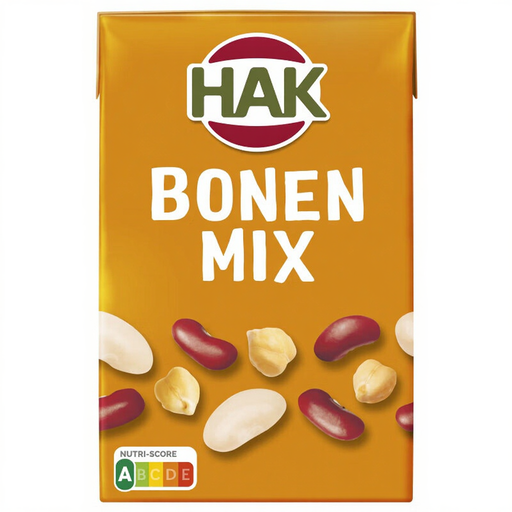
Why it suits this profile: A mixed pack makes it easy to try different beans in salads, soups or stews without buying several jars.
The composition is clearly specified: 30% kidney beans, 18% white beans and 12% chickpeas. That way, you know what you’re buying.
380 grams, 100% natural ingredients according to the product information and 6.9 grams of fibre per 100 grams.
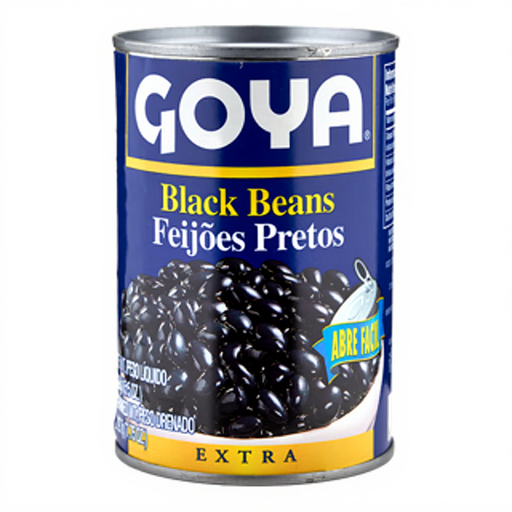
Why it suits this profile: These tinned black beans are a practical choice if you’re looking for a specific type of bean for rice dishes, wraps, salads or stews.
The product category and contents are clearly stated. When it arrives, do check the label, date and condition of the tin.
439 grams per tin, ready to use and, according to the product information, free from the 14 major EU allergens.
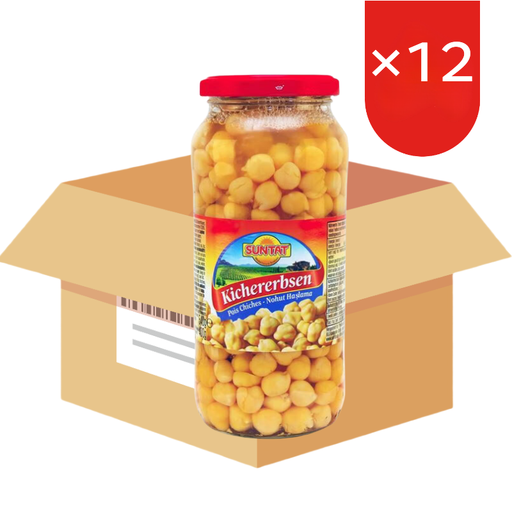
Why it suits this profile: This multipack is aimed at families, high-volume users and kitchens that regularly use chickpeas in hummus, salads and hot dishes.
Comparing the price per item with the price per multipack helps you avoid buying more stock than you need. Once opened, the product should be refrigerated and used within the period stated on the packaging.
12 packs, chickpeas with water and salt according to the product information, and 5.7 grams of protein per 100 grams.
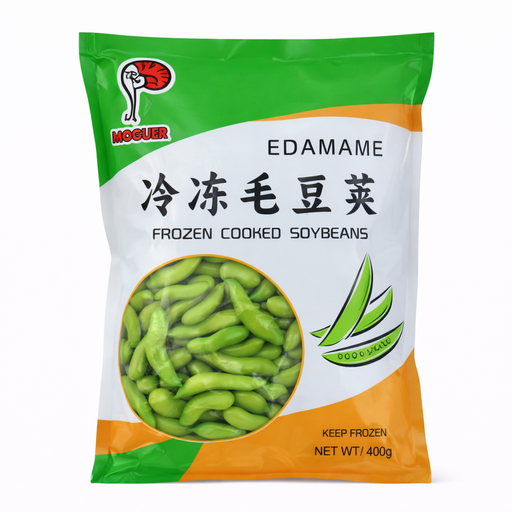
Why it suits this profile: A 1-kilo bag is ideal for fans of Asian dishes, meal preparation or edamame as a snack and salad ingredient.
The storage instructions are clear: keep frozen, refrigerate after thawing and do not refreeze. This makes it clear in advance how much freezer space you’ll need.
1 kilo of product, cooked edamame and a short ingredients list containing soya beans and salt. Contains soya.
We’ve put together a complete, up-to-date list of products that fully meet these strict selection criteria and the applicable European safety regulations.
Dried beans usually need to be soaked and then boiled. Cooked beans from a tin, jar or pouch have already been prepared and can be added to a dish straight after draining. With ready-to-use varieties, however, you also pay for the preparation and the water in the packaging.
Check the date on the tin or jar and follow the storage instructions. Store unopened ambient products in a cool, dry place away from direct sunlight. Do not use packaging that is leaking, bulging or damaged. Once opened, many products should be refrigerated and consumed within the stated period.
That depends on the pack size, drained weight, delivery costs and how much you use. A multipack can be practical for regular use, while an individual jar may be better if you want to compare different varieties. Work out the price per 100 grams of drained product or per portion, rather than looking only at the price on the product page.
