
Vandaag of morgen in huis

Kwaliteit gegarandeerd

Welkomstaanbiedingen ontgrendelen: GRATIS bezorging | Tot 80% korting | Gratis 30 dagen JoyPlus-proefperiode
Download de app
When you want to buy beans online, you’ll quickly come across dozens of varieties: red beans, kidney beans, brown beans, black beans, mung beans, chickpeas and black-eyed beans. Yet not every pack suits every dish or kitchen routine. The difference mainly lies in the form, preparation time, ingredients list and portion size.
As a Joybuy Product Recommendation Officer, I filter product information based on practical points. This way, you can see more quickly which pulses work well for Dutch stamppot, chilli, salads, rice dishes, soups and vegetarian meals.
A large pack may seem good value, but dried beans usually require preparation: rinsing, soaking and cooking. For a quick weekday meal, tinned or jarred beans can therefore be more convenient, even if the price per pack is higher.
Always check:
Red beans and kidney beans are often used interchangeably in everyday cooking. However, their shape, size and texture can differ. A firm kidney bean, for example, works well in chilli, while other red beans are used for porridge, pasta or desserts.
Also, mung beans are not the same as green beans. Mung beans are dried pulses for soups, curries, porridge and sprouting. Green beans are a vegetable that is usually cooked straight away, boiled, fried or reheated.
Packaging sometimes carries broad claims about protein, fibre or a “natural” composition. Always look at the nutrition table and ingredients list. A product with sauce, for example, may contain added sugar or salt, whereas a pack with 100% beans lists just one ingredient.
According to the product information from the relevant brands, nutritional values and preparation advice can vary from product to product. So use the label on the pack as your up-to-date source.
Dried beans are suitable when you want to prepare larger quantities and can plan the cooking time. Goya Red Kidney Beans Dry contains, according to the product information, 100% red kidney beans and has a net weight of 397g. For dried black beans, such as DOUBLE PANDA Premium Vietnam Black Beans, a soaking time of 6 to 8 hours or overnight is recommended.
Tinned or jarred beans are more convenient for quick meals. Check the ingredients list: g’woon Kidney Beans contains, according to the product description, red kidney beans and water. Heinz Tomato Beans consists of, among other things, white beans, tomatoes, water, sugar, vinegar and herb extracts. This makes the product ready to use, but different from a plain variety.
Frozen products need enough space in your freezer. Mooijer Edamame must be stored frozen and used chilled after defrosting. G'woon Whole Green Beans is a frozen variety with 100% green beans and a storage recommendation of -18°C or below.
For a neutral base in curry, salad or stew, choose a product with a short ingredients list. Duru Green Mung Beans and Sunlee Whole Mung Bean, for example, list mung beans as the main ingredient. With chickpeas, it is also worth checking whether any additives, preservatives or colourings have been added.
Also check the allergen information. Some products are processed on a line where peanuts, nuts, soya, sesame or gluten are also present. This is not always prominent on the front, but it will be in the product information.
A pack of 200g to 400g can be practical for one or a few meals. A 1kg bag, such as Duru Green Mung Beans or DURU Borulce Black-Eyed Beans, is better suited to keen home cooks who use pulses regularly.
Don’t compare weight in isolation from the form of preparation. The weight of dried beans is not directly comparable to the drained weight of beans in a jar or tin. So look at the amount you actually use in a dish.
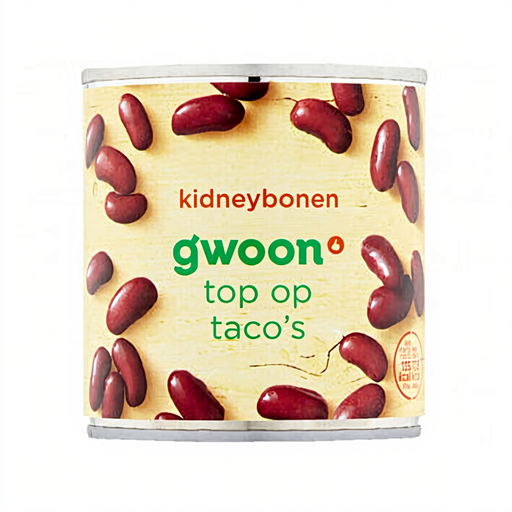
Why this fits the profile: The compact pack is ideal if you occasionally make chilli, wraps or a salad and don’t want to stock up in bulk.
The ingredients list mentions red kidney beans and water, with no added sugar according to the product information.
200g; ambient product; suitable for quick meals.
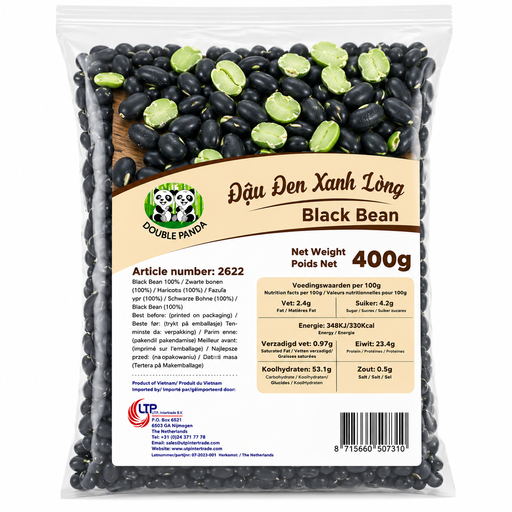
Why this fits the profile: These dried black beans suit cooks who want to plan the preparation themselves for Asian, Latin American and international dishes.
The preparation instructions mention rinsing, soaking for 6 to 8 hours and cooking until the beans are tender. This makes the required planning clear.
400g; 100% black beans; suitable for soups, stews, porridge and desserts.
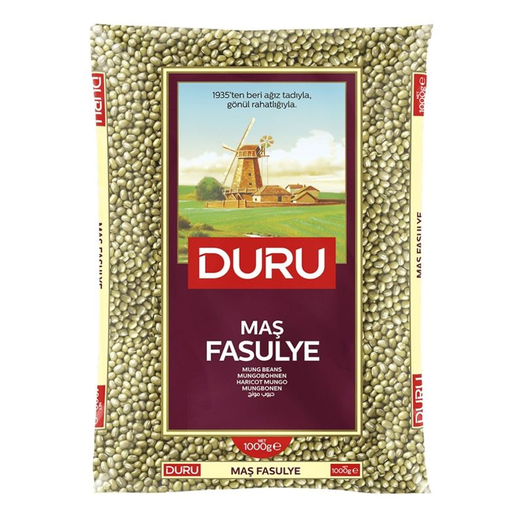
Why this fits the profile: The 1kg bag is aimed at households that regularly use mung beans in curries, soups, salads or other vegetarian dishes.
According to the product information, the pack contains only green mung beans. So you’re not paying for sauce or flavourings.
1kg; mild, nutty flavour according to the product description; suitable for multiple cuisines.
We’ve put together a full, up-to-date list of products that fully meet these strict selection criteria and comply with current European safety regulations.
Rinse dried beans first and follow the preparation instructions on the pack. Some varieties require soaking. Always cook beans thoroughly before eating them. Tinned or jarred beans can usually be drained and, if you like, rinsed before adding to a dish.
Store unopened dried products in a cool, dry place away from direct sunlight. Check jars or tins for leaks, damage or a bulging lid. Frozen products must remain frozen and, according to the product information, should not be refrozen once defrosted.
Kidney beans and black beans are practical choices for chilli. Choose tinned or jarred beans if you want to cook quickly. Dried kidney beans, such as Goya Red Kidney Beans Dry, suit a store cupboard where you have time to soak and cook.
That depends on the brand, pack size and the amount you use. Dried beans often have a lower price per dry gram, but they require water, preparation and cooking time. Tinned or jarred beans save time and are ready to use straight away.
Beans, chickpeas, edamame and mung beans naturally provide protein. Compare the exact value per 100g on the label. Combine them with grains, vegetables or rice for different textures and flavours, without automatically taking a brand’s nutritional claim as a guarantee.
