
Vandaag of morgen in huis

Kwaliteit gegarandeerd

Welkomstaanbiedingen ontgrendelen: GRATIS bezorging | Tot 80% korting | Gratis 30 dagen JoyPlus-proefperiode
Download de app
Buying an orange drink may seem straightforward, but the range varies considerably. One bottle may be a carbonated orange soft drink to enjoy with a meal, while another is orange juice for breakfast. There are also international varieties such as orange soda, mandarin drinks and Japanese ramune orange.
The packaging can make a product look appealing, while important differences in ingredients, sugar content and volume are less noticeable. With these practical checks, you can avoid a disappointing purchase and choose a drink that suits your household and the occasion.
Not every orange drink contains a high proportion of fruit juice. Fanta Orange Soda, for example, lists 3% orange juice from concentrate, while Orangina Regular contains 12% orange and other citrus fruit juices from concentrate, according to the product information. A soft drink can therefore have a distinct orange flavour without containing much juice.
If you want juice for breakfast, check the ingredients declaration. g'woon Orange Juice lists orange juice from concentrate as an ingredient. This is different from a soft drink containing flavourings and carbonation.
Marketing terms do not give you a complete picture of the nutritional value. Always check the table per 100 ml. Fanta Orange Soda lists 19 kcal and 4.4 grams of sugar per 100 ml. Orangina Regular contains 39 kcal and 9.1 grams of sugar per 100 ml. A 330 ml bottle therefore contains a different amount of sugar from a 200 ml glass.
Also pay attention to sweeteners. Rivella Regular Orange lists 5 kcal and 1 gram of sugar per 100 ml, but contains, among other ingredients, sodium cyclamate, acesulfame K and saccharin. A lower calorie content does not automatically mean a shorter ingredients list.
An orange drink multipack can be useful for a family, a party or your store cupboard. However, 24 bottles of 370 ml are very different from four 1.5-litre bottles. Small bottles are easy to hand out, but create more packaging. Large bottles are often more practical for households, but need to be refrigerated after opening and used within the period stated on the packaging.
So calculate the total volume before looking at the price. A multipack with 12 cans of 330 ml contains 3.96 litres. Four 1.5-litre bottles contain 6 litres in total.
First, choose the drink category:
Then check how much juice has actually been added. If the label mainly lists water, sugar, carbonation and flavouring, you are buying a soft drink rather than a juice product.
Always compare products on the same basis. Look at:
Under European labelling rules, a sugar-free orange drink contains no more than 0.5 grams of sugar per 100 ml. Check the nutrition table and do not rely solely on terms such as “light” or “zero”. Charlie’s Sparkling Water Orange & Mandarin lists 0 grams of sugar and 2 kcal per 100 ml. The product information also states that it contains 4.5% organic orange and mandarin juice.
For everyday use, 1- or 1.5-litre bottles are practical. Cans and small bottles are better suited to drinking on the go or serving at a party. When buying international drinks, also check the closure and the packaging material. Hatakosen Ramune Orange, for example, is offered in 200 ml glass bottles with the distinctive marble stopper. This makes the packaging unusual, but glass requires extra care during transport and around children.
Store unopened drinks in a cool place away from direct sunlight, as stated in the product information. Once opened, the packaging should generally be kept in the fridge. Always check the best-before date and the full ingredients list on the actual label.
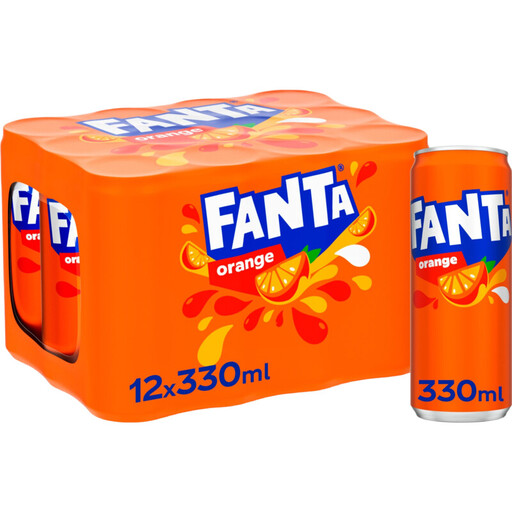
Why This Fits Their Persona: The 12 bottles of 330 ml are easy to share with meals, visitors or at a small get-together.
The product information states both the 3% juice content and the 19 kcal and 4.4 grams of sugar per 100 ml.
Small portions; carbonated; 12 x 330 ml.
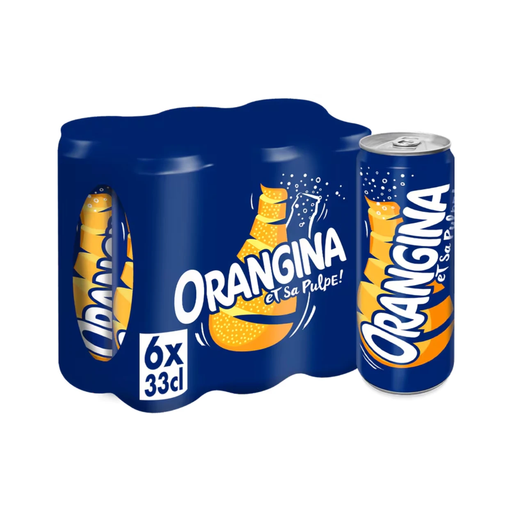
Why This Fits Their Persona: Ideal for anyone looking for more citrus complexity than a standard orange soda.
The product description states that it contains 12% citrus fruit juice from concentrate, including orange, grapefruit and mandarin.
6 x 330 ml; 39 kcal per 100 ml; a blend of several citrus fruits.
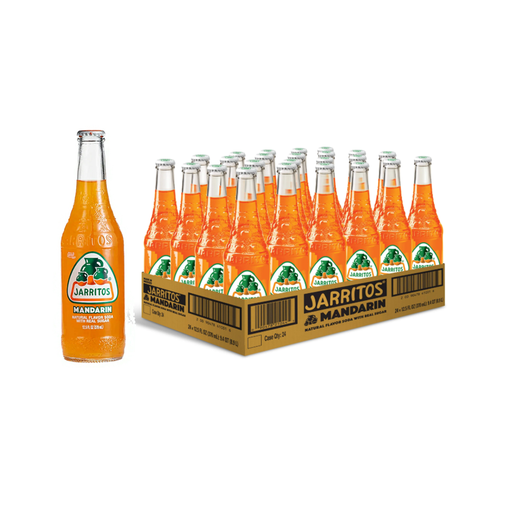
Why This Fits Their Persona: A box of 24 bottles is ideal for larger gatherings and fans of Mexican soft drinks.
The packaging clearly states 24 x 370 ml, while the ingredients include sugar and natural mandarin flavouring.
24 small bottles; glass packaging; mandarin flavour; produced in Mexico according to the product information.
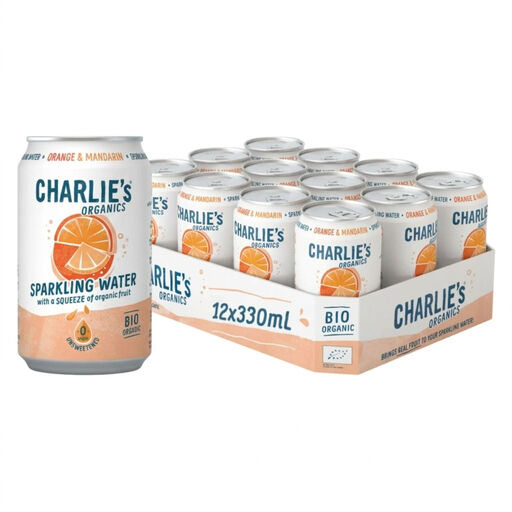
Why This Fits Their Persona: A practical choice for anyone looking for sugar-free sparkling citrus water according to the stated nutritional values.
The nutritional information lists 0 grams of sugar, 0 grams of carbohydrates and 2 kcal per 100 ml.
12 x 330 ml; 4.5% organic orange and mandarin juice; no sugars listed.
Browse a current selection of orange and mandarin drinks and compare the volume, packaging and product information for each variety.
Orange soda is usually a carbonated soft drink containing water, sugar or sweeteners, fruit juice and flavourings. Orange juice consists mainly of orange juice, which may be made from concentrate. Check the juice percentage and ingredients list to establish the difference.
Keep an opened bottle in the fridge and close the cap securely. Follow the storage period stated on the packaging. Carbonation also decreases after opening. Small bottles or cans are therefore practical when you want to serve the drink in one go.
That depends on the price per litre, not just the total price. Divide the price by the total volume, then compare the packaging as well. A large bottle may offer a lower price per litre, while small portions are more convenient for travelling, school or a gathering.
