
Same-day & Next-day Delivery

Quality Guaranteed

Unlock Your Welcome Offers: FREE Delivery | Up to 80% OFF | Free 30-day JoyPlus trial
Download the APP
By a Joybuy Product Recommendation Officer, July 28, 2026
A Japanese rice ball, or onigiri, is the perfect quick lunch or Asian snack. It's convenient, filling, and available in a wide variety of flavours. But anyone who has ever bought onigiri knows that the quality can vary greatly. Sometimes the rice is dry, the filling is disappointing, or you end up paying a premium for a product that doesn't deliver on its promise.
Before you order onigiri online, it's wise to pay attention to a few key details. This will help you avoid a bad purchase and ensure you enjoy a truly delicious rice ball.
The selection is vast, but not every onigiri is worth your money. Here are two common problems:
By being mindful of these points, you can make a better choice and get more value for your money.
You don't need to be an ingredient expert to make a good choice. Pay attention to the following two specifications to assess the quality of an onigiri.
The filling is the heart of the onigiri. Popular flavours like chicken teriyaki onigiri, salmon mayo onigiri, or tuna onigiri are widely available. The difference is in the details.
More and more people are choosing to buy frozen onigiri. This has a few clear advantages. Frozen rice balls retain their texture and flavour well when stored and prepared correctly. You always have a quick meal on hand and avoid the disappointment of a dried-out, "fresh" onigiri from the store.
Heating up onigiri is simple: most frozen varieties can go directly into the microwave. The instructions on the packaging will tell you exactly how long to heat the rice ball for and at what power to achieve a soft and tasty result.
Not every onigiri is suitable for every situation. Below are a few options tailored to different needs.
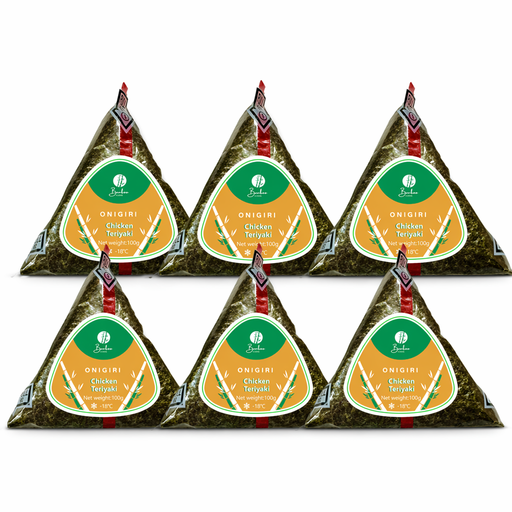
Why This Fits Your Persona: Ideal for those who want to stock up on quick and reliable lunches. This multi-pack with a classic flavour is perfect to have in the freezer for a busy work week. Quick to microwave and ready to eat.
You have full control over the freshness. Because it's frozen onigiri, you avoid the pitfall of a dried-out, thawed product from the store.
Economical multi-pack. The chicken teriyaki flavour is a popular and safe choice that appeals to many palates.
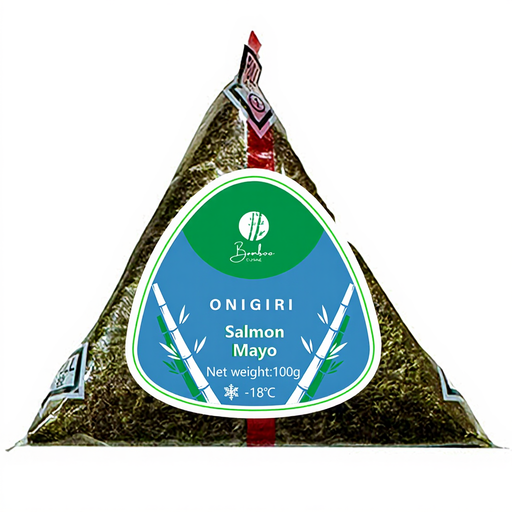
Why This Fits Your Persona: For those seeking the authentic Japanese convenience store experience. Salmon with mayonnaise is one of the most beloved fillings, and this version delivers that creamy, savoury flavour.
The ingredient list is clear, so you know you're getting a salmon mayo onigiri with a good balance, not just mayonnaise with a hint of fish.
Handmade style for an authentic feel. Convenient 100-gram portion for a light meal or snack.
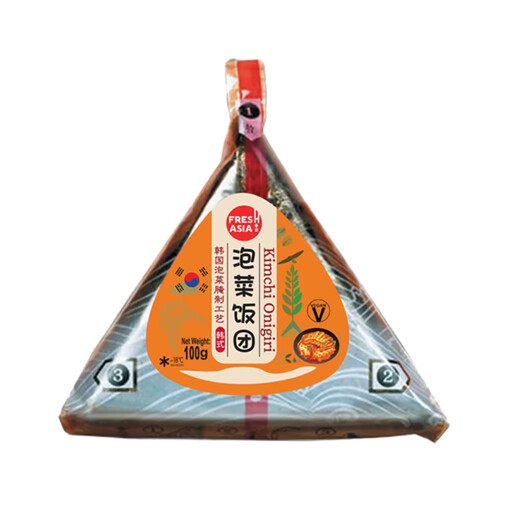
Why This Fits Your Persona: For those who want to try something different from the standard fillings. This onigiri combines the Japanese rice ball with the spicy, fermented flavour of Korean kimchi for an exciting twist.
This product is upfront about its fusion character. You know to expect a spicy and sour filling, which prevents disappointment if you're looking for a traditional taste.
Unique combination of Korean and Japanese flavours. Offers a spicy and savoury taste experience you won't easily find in other onigiri.
We've compiled a complete, up-to-date list of products that fully meet these selection criteria.
1. How should you heat up frozen onigiri? Most frozen onigiri are designed for the microwave. Remove the packaging and follow the instructions on the label; usually, 1 to 2 minutes on full power is sufficient. Let the onigiri rest for a minute after heating. This allows the heat to distribute evenly, making the rice perfectly soft.
2. What is the difference between onigiri and sushi? Although they both contain rice, they are different dishes. The rice for onigiri is typically lightly salted, whereas sushi rice is seasoned with a mixture of rice vinegar, sugar, and salt. Onigiri is an informal snack or lunch, often triangular or round in shape, while sushi is more often seen as a refined dish featuring raw fish.
3. How long can you store onigiri? Fresh onigiri is best eaten on the day of purchase. The rice will quickly harden in the refrigerator. Frozen onigiri, on the other hand, can be stored for several months if kept at -18°C (0°F). Always check the expiration date on the packaging. Once thawed, you should not refreeze the onigiri.
